Cambridge Monographs in Experimental Biology - Böcker
Visar alla böcker i serien Cambridge Monographs in Experimental Biology. Handla med fri frakt och snabb leverans.
5 produkter
5 produkter
415 kr
Skickas inom 7-10 vardagar
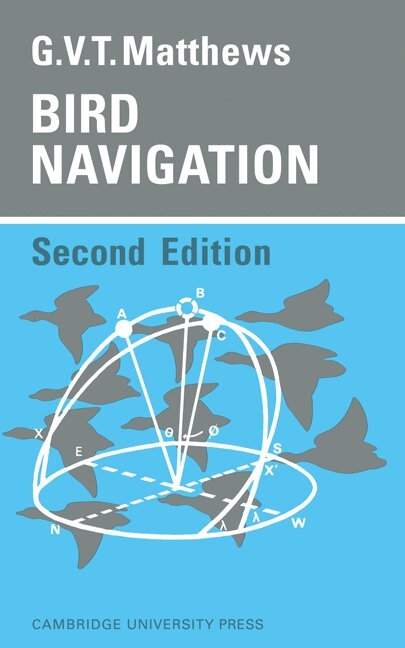
Many species of birds travel thousands of miles from their breeding grounds to their winter quarters, to return again the following spring. How do they find their way? How is it that young and inexperienced birds are able to travel independently of their parents and still reach their destination? The first edition of Dr Matthews' monograph, published in 1955, summarised the experimental work which had been done up until that time and this second edition has built upon that important contribution, with extensive changes. Several developments are described, namely, the discovery that birds can orientate with reference to star patterns, the use of radar to follow migration by night as well as by day, and the attachment of miniature radio-transmitters to birds so that their individual flights can be followed. A new class of unexplained 'nonsense' orientation is also brought to light.
Del 16 - Cambridge Monographs in Experimental Biology
The Cellular Defence Reactions of Insects
Häftad, Engelska, 2009
402 kr
Skickas inom 7-10 vardagar
Insects counteract infection by a variety of reactions, partly humoral but principally cellular. This monograph considers their cellular reactions, especially the phagocytosis of micro-organisms and the encapsulation of larger parasites, from two main points of view: parasitological and cytologica. The first aspect involves description of the reactions and of their effects on parasites. This part of the subject is basic to the biological control of insect pests, because a better understanding of cellular defence reactions could lead to improved methods of using insect parasites to human advantage. The second aspect involves analysis of the stimuli that evoke cellular reactions. This part of the monograph attempts to relate the defensive activities of insect blood cells to general problems of cytology, such as the recognition of foreign bodies, the aggregation of cells and their adhesion to foreign surfaces and their extreme flattening on each other as they form capsules. Two final chapters discuss the efficiency and specificity of insect defence mechanisms and compare them with the immunity reactions of vertebrates.
Del 17 - Cambridge Monographs in Experimental Biology
An Ecological Approach to Acanthocephalan Physiology
Häftad, Engelska, 2009
415 kr
Skickas inom 7-10 vardagar
Acanthocephalan worms are parasitic throughout their life cycles and the environments they experience are to be found in the bodies of vertebrates, in which they achieve sexual maturity and in the tissues of arthropods, in which they develop. This monograph, first published in 1970, aims to relate present knowledge of acanthocephalan physiology to the physical and biotic factors occurring in the environments occupied at different stages of the life cycle. This theme is illustrated by considering feeding, metabolism and reproduction of adult worms, certain aspects of the physiology of the eggs and developmental stages and the processes of infection of the hosts. The author emphasises the necessity of culturing acanthocephalans in vitro if their biology is to be understood in detail.
Del 19 - Cambridge Monographs in Experimental Biology
Defence Mechanisms of Plants
Häftad, Engelska, 2009
455 kr
Skickas inom 7-10 vardagar
First published in 1977, this volume is a short and integrated account of the dynamic mechanisms involved in the defence of plant cells against attack by parasitic bacteria and fungi. The central interest of the volume is with the processes by which plant cells perceive the approach of an intruder and occasionally permit, but usually discourage, its further progress. How do the genes of host and parasite communicate to determine the outcome of attempted parasitism? Is there a universal defence mechanism in all plants and, if so, what is it? What contribution does the much studied process of phytoalexin formation make to the defence of plants? These are the main questions considered by Professor Deverall, and they are approached from a basis of our understanding of the genetical, cytological and biochemical interactions between plants and parasites. Plant pathologists, mycologists, botanists, microbiologists, plant physiologists and plant biochemists who are professionally concerned with plant disease will find that this monograph reviews past advances in an area that was once the subject of much attention, and provides suggestions for solving some of the problems.
402 kr
Skickas inom 7-10 vardagar
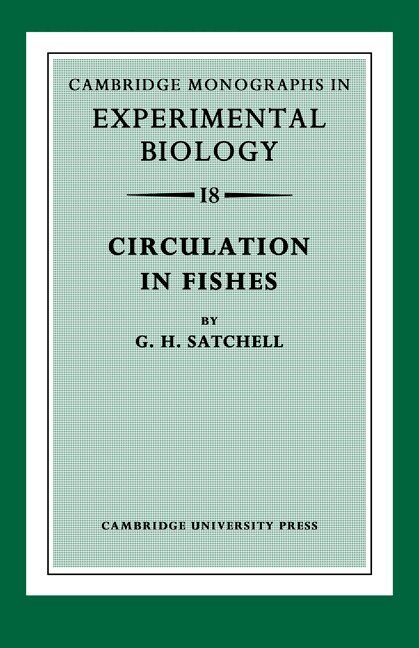
When this book was published in 1971, there were several thousand papers dealing with the structure and functions of the heart and blood vessels of fishes. This monograph integrates this information into a much more coherent account of the circulatory function in fish. The structure and function of the heart, arteries, veins and capillaries are discussed and special attention is devoted to the retial capillary exchange systems. The properties of the blood of fish which fit it carry the respiratory gases in the aquatic milieu and the biochemical regulation of the capacity of haemoglobin to bond oxygen, are described. The author examines the role of the nervous system in regulating the activity of the heart and peripheral vessels and evaluates the part this plays in the response of the fish to exercise and to oxygen deficiency.