Convening Science: Discovery at the Marine Biological Labora - Böcker
Visar alla böcker i serien Convening Science: Discovery at the Marine Biological Labora. Handla med fri frakt och snabb leverans.
4 produkter
4 produkter
1 037 kr
Tillfälligt slut
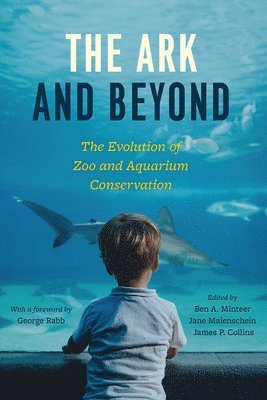
Scores of wild species and ecosystems around the world face a variety of human-caused threats, from habitat destruction and fragmentation to rapid climate change. But there is hope, and it, too, comes in a most human form: zoos and aquariums. Gathering a diverse, multi-institutional collection of leading zoo and aquarium scientists as well as historians, philosophers, biologists, and social scientists, The Ark and Beyond traces the history and underscores the present role of these organizations as essential conservation actors. It also offers a framework for their future course, reaffirming that if zoos and aquariums make biodiversity conservation a top priority, these institutions can play a vital role in tackling conservation challenges of global magnitude.While early menageries were anything but the centers of conservation that many zoos are today, a concern with wildlife preservation has been an integral component of the modern, professionally run zoo since the nineteenth century. From captive breeding initiatives to rewilding programs, zoos and aquariums have long been at the cutting edge of research and conservation science, sites of impressive new genetic and reproductive techniques. Today, their efforts reach even further beyond recreation, with educational programs, community-based conservation initiatives, and international, collaborative programs designed to combat species extinction and protect habitats at a range of scales. Addressing related topics as diverse as zoo animal welfare, species reintroductions, amphibian extinctions, and whether zoos can truly be “wild,” this book explores the whole range of research and conservation practices that spring from zoos and aquariums while emphasizing the historical, scientific, and ethical traditions that shape these efforts. Also featuring an inspiring foreword by the late George Rabb, president emeritus of the Chicago Zoological Society / Brookfield Zoo, The Ark and Beyond illuminates these institutions’ growing significance to the preservation of global biodiversity in this century.
308 kr
Skickas inom 7-10 vardagar
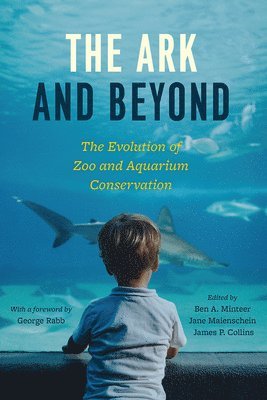
Scores of wild species and ecosystems around the world face a variety of human-caused threats, from habitat destruction and fragmentation to rapid climate change. But there is hope, and it, too, comes in a most human form: zoos and aquariums. Gathering a diverse, multi-institutional collection of leading zoo and aquarium scientists as well as historians, philosophers, biologists, and social scientists, The Ark and Beyond traces the history and underscores the present role of these organizations as essential conservation actors. It also offers a framework for their future course, reaffirming that if zoos and aquariums make biodiversity conservation a top priority, these institutions can play a vital role in tackling conservation challenges of global magnitude.While early menageries were anything but the centers of conservation that many zoos are today, a concern with wildlife preservation has been an integral component of the modern, professionally run zoo since the nineteenth century. From captive breeding initiatives to rewilding programs, zoos and aquariums have long been at the cutting edge of research and conservation science, sites of impressive new genetic and reproductive techniques. Today, their efforts reach even further beyond recreation, with educational programs, community-based conservation initiatives, and international, collaborative programs designed to combat species extinction and protect habitats at a range of scales. Addressing related topics as diverse as zoo animal welfare, species reintroductions, amphibian extinctions, and whether zoos can truly be “wild,” this book explores the whole range of research and conservation practices that spring from zoos and aquariums while emphasizing the historical, scientific, and ethical traditions that shape these efforts. Also featuring an inspiring foreword by the late George Rabb, president emeritus of the Chicago Zoological Society / Brookfield Zoo, The Ark and Beyond illuminates these institutions’ growing significance to the preservation of global biodiversity in this century.
1 162 kr
Skickas inom 7-10 vardagar
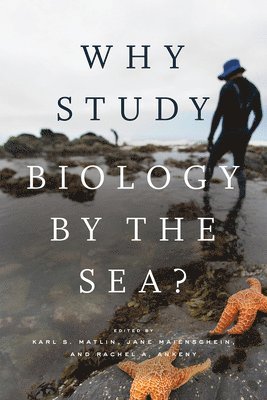
For almost a century and a half, biologists have gone to the seashore to study life. The oceans contain rich biodiversity, and organisms at the intersection of sea and shore provide a plentiful sampling for research into a variety of questions at the laboratory bench: How does life develop and how does it function? How are organisms that look different related, and what role does the environment play?From the Stazione Zoologica in Naples to the Marine Biological Laboratory in Woods Hole, the Amoy Station in China, or the Misaki Station in Japan, students and researchers at seaside research stations have long visited the ocean to investigate life at all stages of development and to convene discussions of biological discoveries. Exploring the history and current reasons for study by the sea, this book examines key people, institutions, research projects, organisms selected for study, and competing theories and interpretations of discoveries, and it considers different ways of understanding research, such as through research repertoires. A celebration of coastal marine research, Why Study Biology by the Sea? reveals why scientists have moved from the beach to the lab bench and back.
387 kr
Skickas inom 7-10 vardagar
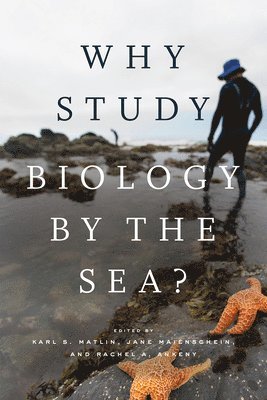
For almost a century and a half, biologists have gone to the seashore to study life. The oceans contain rich biodiversity, and organisms at the intersection of sea and shore provide a plentiful sampling for research into a variety of questions at the laboratory bench: How does life develop and how does it function? How are organisms that look different related, and what role does the environment play?From the Stazione Zoologica in Naples to the Marine Biological Laboratory in Woods Hole, the Amoy Station in China, or the Misaki Station in Japan, students and researchers at seaside research stations have long visited the ocean to investigate life at all stages of development and to convene discussions of biological discoveries. Exploring the history and current reasons for study by the sea, this book examines key people, institutions, research projects, organisms selected for study, and competing theories and interpretations of discoveries, and it considers different ways of understanding research, such as through research repertoires. A celebration of coastal marine research, Why Study Biology by the Sea? reveals why scientists have moved from the beach to the lab bench and back.