Elements in Genetics in Epilepsy - Böcker
Visar alla böcker i serien Elements in Genetics in Epilepsy. Handla med fri frakt och snabb leverans.
4 produkter
4 produkter
234 kr
Skickas inom 7-10 vardagar
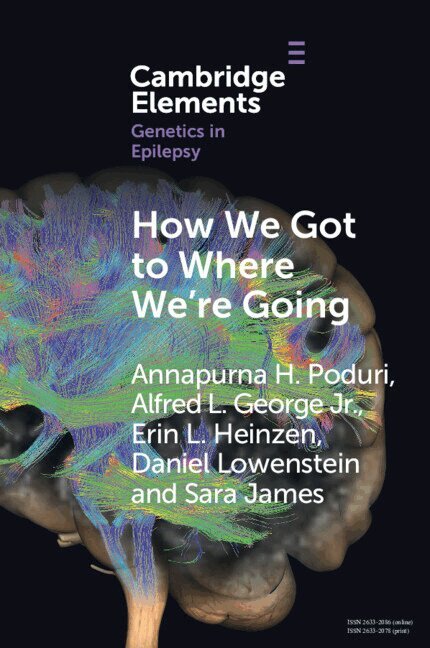
This Element serves as a welcome to the Cambridge Elements Genetics in Epilepsy series. The series editors look forward to sharing with you the story of epilepsy genetics through a series of Elements. They will bring together many voices, by text as well as video, to illustrate the history of epilepsy genetics, the many on-going efforts in the field, and how they hope to address the still unanswered questions that command the attention of all of us and our colleagues across the globe.
241 kr
Skickas inom 7-10 vardagar
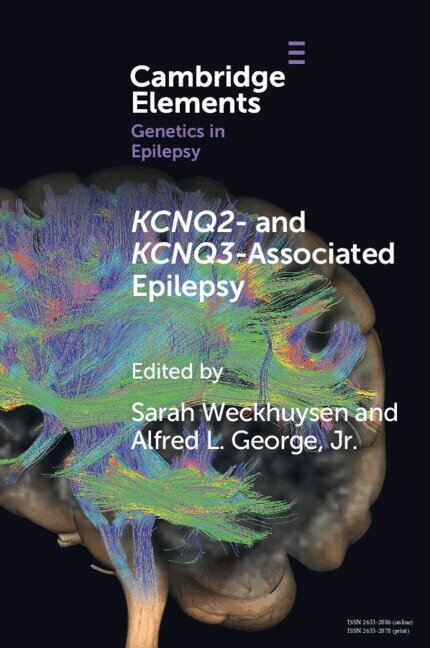
KCNQ2 and KCNQ3 encode subunits (KV7.2, KV7.3) that combine to form a voltage-gated potassium ion (K+) channel responsible for generating an ionic current (M-current) important for controlling activity in the nervous system. Pathogenic variants in both genes are associated with a spectrum of genetic neurological disorders that feature epilepsy of variable severity and can be accompanied by debilitating impaired neurodevelopment. These two genes were among the first discovered causes of monogenic epilepsy, and are frequently identified in persons with early-life epilepsy. This Element provides a comprehensive review of the clinical features, genetic basis, pathophysiology, pharmacology and treatment of these prototypical neurological disorders accompanied by perspectives shared by affected families and scientists who have made seminal contributions to the field. This title is also available as Open Access on Cambridge Core.
775 kr
Skickas inom 7-10 vardagar
SCN2A encodes a voltage-gated sodium channel (designated NaV1.2) vital for generating neuronal action potentials. Pathogenic SCN2A variants are associated with a diverse array of neurodevelopmental disorders featuring neonatal or infantile onset epilepsy, developmental delay, autism, intellectual disability and movement disorders. SCN2A is a high confidence risk gene for autism spectrum disorder and a commonly discovered cause of neonatal onset epilepsy. This remarkable clinical heterogeneity is mirrored by extensive allelic heterogeneity and complex genotype-phenotype relationships partially explained by divergent functional consequences of pathogenic variants. Emerging therapeutic strategies targeted to specific patterns of NaV1.2 dysfunction offer hope to improving the lives of individuals affected by SCN2A-related disorders. This Element provides a review of the clinical features, genetic basis, pathophysiology, pharmacology and treatment of these genetic conditions authored by leading experts in the field and accompanied by perspectives shared by affected families. This title is also available as Open Access on Cambridge Core.
241 kr
Skickas inom 7-10 vardagar
SCN2A encodes a voltage-gated sodium channel (designated NaV1.2) vital for generating neuronal action potentials. Pathogenic SCN2A variants are associated with a diverse array of neurodevelopmental disorders featuring neonatal or infantile onset epilepsy, developmental delay, autism, intellectual disability and movement disorders. SCN2A is a high confidence risk gene for autism spectrum disorder and a commonly discovered cause of neonatal onset epilepsy. This remarkable clinical heterogeneity is mirrored by extensive allelic heterogeneity and complex genotype-phenotype relationships partially explained by divergent functional consequences of pathogenic variants. Emerging therapeutic strategies targeted to specific patterns of NaV1.2 dysfunction offer hope to improving the lives of individuals affected by SCN2A-related disorders. This Element provides a review of the clinical features, genetic basis, pathophysiology, pharmacology and treatment of these genetic conditions authored by leading experts in the field and accompanied by perspectives shared by affected families. This title is also available as Open Access on Cambridge Core.