Media Dynamics in South Asia - Böcker
Visar alla böcker i serien Media Dynamics in South Asia. Handla med fri frakt och snabb leverans.
2 produkter
2 produkter
607 kr
Skickas inom 5-8 vardagar
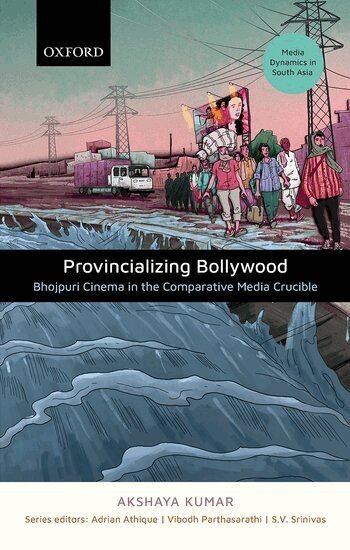
Provincializing Bollywood argues that Bhojpuri cinema exemplifies the overflow of a provincial derivative form that defies its place in the given scheme of things. Situating it at the intersection of vernacular media production and the infrastructural-political reordering of provincial north India, the book shows that Bhojpuri media's characteristic 'disobedience' is marked by a libidinal excess - simultaneously scandalizing and moralizing - to address the inexact calculi of Bhojpuri speaking region's'underdevelopment'. Bhojpuri media therefore demands that it is assessed not merely for its internal content but within the comparative media crucible, marked by interpenetrating forms and histories as diverse as those of ecological distress, musical traditions, gendered segregation, real estate, urban resettlements, and highway modernities. Foregrounding the libidinal excess, language politics, and curatorial informalities, Provincializing Bollywood synthesizes Bhojpuri media's spectacular public insubordination and its invocation of a shared debt, which is by no means regional in its provenance.
1 678 kr
Skickas inom 3-6 vardagar
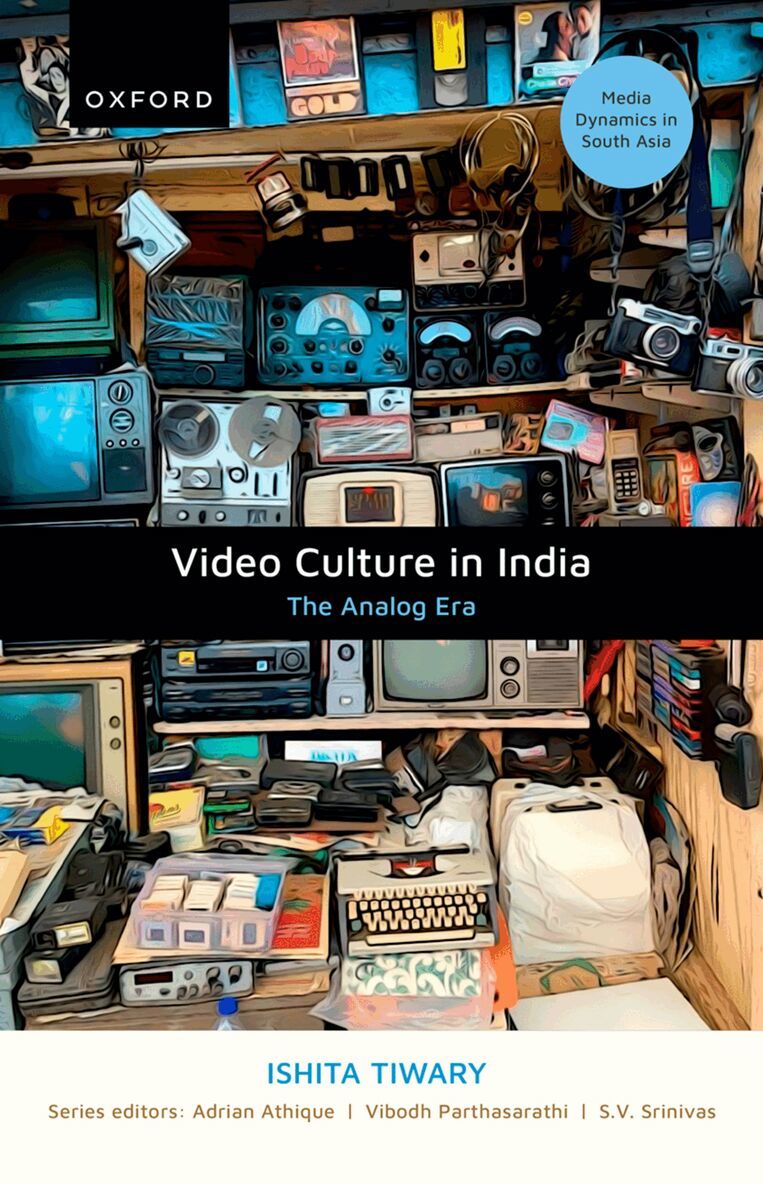
Media plays a significant role in reshaping, restructuring, and recalibrating the existing understandings of society and politics, giving birth to new cultural forms. Video, as a medium, captures not only real-time events but also the ethos of a milieu. Video Culture in India: The Analog Era narrates the history of video technology in India since its introduction in the 1980s, locating the moment within the country's socio-political context. It aims to provide a comprehensive understanding of video technology in post-1980s India: one that speaks to its global history and context and fills the lacunae in the existing literature of the field. The monograph draws on diverse oral histories, discarded tapes, and forgotten archives to unravel the history of analog video in India. Specifically, it looks at the widespread popularity of the marriage video, the little-known history of the video-film, the intensity associated with the video-news magazine, and the explosive imagination attached to the religious video. Analysing the multi-dimensionality of video provides the context for a better understanding of the proliferation of video culture in contemporary sites such as television news channels, digital photography, WhatsApp videos, and streaming. As the first full-length study of analog video production and circulation in India, this book invokes the forgotten video era in India.