Moving through History: Transportation and Society – serie
Visar alla böcker i serien Moving through History: Transportation and Society. Handla med fri frakt och snabb leverans.
4 produkter
4 produkter
Inbunden, Engelska, 2008
722 kr
Skickas inom 10-15 vardagar
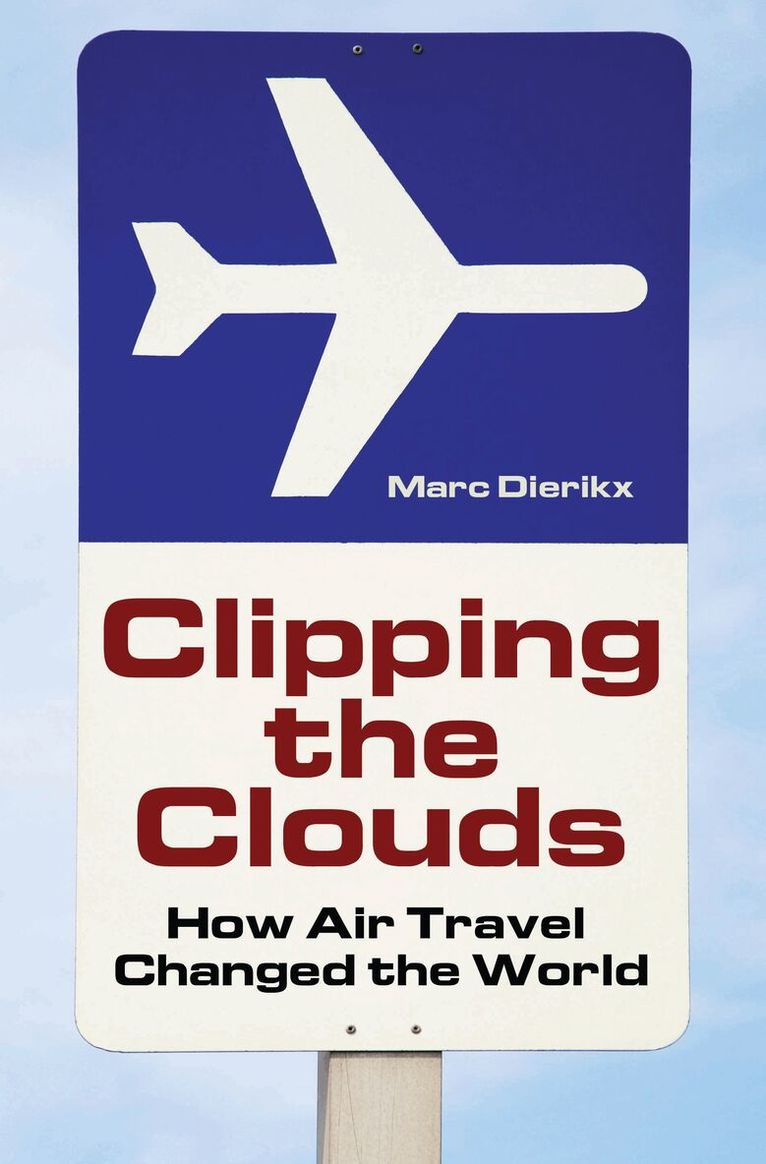
Mixing in elements of pop culture, Dierikx provides a chronological history of the evolution of air travel. He covers the significant challenges and developments in air transportation for a specific period, starting with how and why aviation came to play an important role in international politics and economic relations. He follows with an examination of how improvements in technology influenced existing concepts of distance, created new travel patterns, and what effect the growth in numbers of passenger and cargo had on air transportation. Finally, Dierikx looks at how airlines have become increasingly detached from national interests and state control, concluding with an overview of the current state of air travel, and a description of the role air transportation played in the creation of a global society.At the beginning of the twenty-first century, it is difficult to imagine our world without aircraft. Airplanes are everywhere, and rapid air transport has become one of the necessities of our time. Yet one of the peculiarities of powered flight is that it has stayed in the public focus for over a century. Clipping the Clouds looks at the history of aviation in a challenging new way, covering not just the technology, but the way aviation has interacted with society since its very beginnings.Mixing in pop culture—each chapter opens and closes with an excerpt from a movie that depicts elements of air transport illustrating the chapter's theme—Dierikx provides a chronological history of the evolution of air travel since 1919. He covers the significant challenges and developments in air transportation for each of four chronological periods, starting with how and why aviation came to play an important role in international politics and economic relations. He follows with an examination of how improvements in technology influenced existing concepts of distance, created new travel patterns, and what effect the growth in numbers of passenger and cargo had on air transportation. Finally, Dierikx looks at how airlines have become increasingly detached from national interests and state control, concluding with an overview of the current state of air travel and a description of the role air transportation has played in the creation of a global society.
E-bok
PDF, Engelska, 2006752 kr
Läs direkt efter köp
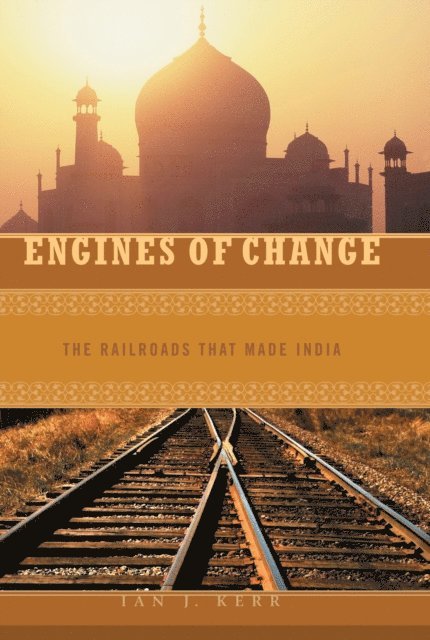
The former Jewel in the Crown of the British Empire, India remains, by any measure, a major economic and political actor on the world scene. Without her extensive railway network—completed against all odds by her British colonial masters—it is impossible to imagine what might have become of the diverse lands and peoples of the subcontinent. These railway networks brought them together as a colony; these networks fostered the nationalism that would be Britain's downfall. This rail network both remade the physical landscape and brought social-cultural cohesion to a diverse and wide-ranging populace. It would be common rail travel that Gandhi would employ to reach the masses. From its romantic mystique to its dangerous reality, it is rail travel today that keeps vital social, cultural, economic and political forces moving.India's railroad history serves as a unique lens to her larger story of triumph over adversity. By 1905, India had the world's fourth largest railway network—a position it retains in the early 21st century. The railroads were at the organizational and technological center of many of the inter-related economic, political, social, cultural, and ecological transformations that produced modern India through, and out of, its colonial past. In addition to this vast technical achievement, and (in keeping with the series focus), there is an equally important and wide-sweeping human-interest tale to be told with evocative vignettes of the triumph of the human spirit (one billion strong!) in the face of great adversity.
E-bok
PDF, Engelska, 2008526 kr
Läs direkt efter köp
Mixing in elements of pop culture, Dierikx provides a chronological history of the evolution of air travel. He covers the significant challenges and developments in air transportation for a specific period, starting with how and why aviation came to play an important role in international politics and economic relations. He follows with an examination of how improvements in technology influenced existing concepts of distance, created new travel patterns, and what effect the growth in numbers of passenger and cargo had on air transportation. Finally, Dierikx looks at how airlines have become increasingly detached from national interests and state control, concluding with an overview of the current state of air travel, and a description of the role air transportation played in the creation of a global society.At the beginning of the twenty-first century, it is difficult to imagine our world without aircraft. Airplanes are everywhere, and rapid air transport has become one of the necessities of our time. Yet one of the peculiarities of powered flight is that it has stayed in the public focus for over a century. Clipping the Clouds looks at the history of aviation in a challenging new way, covering not just the technology, but the way aviation has interacted with society since its very beginnings.Mixing in pop culture—each chapter opens and closes with an excerpt from a movie that depicts elements of air transport illustrating the chapter's theme—Dierikx provides a chronological history of the evolution of air travel since 1919. He covers the significant challenges and developments in air transportation for each of four chronological periods, starting with how and why aviation came to play an important role in international politics and economic relations. He follows with an examination of how improvements in technology influenced existing concepts of distance, created new travel patterns, and what effect the growth in numbers of passenger and cargo had on air transportation. Finally, Dierikx looks at how airlines have become increasingly detached from national interests and state control, concluding with an overview of the current state of air travel and a description of the role air transportation has played in the creation of a global society.
Häftad, Engelska, 2008
522 kr
Skickas inom 10-15 vardagar
Mixing in elements of pop culture, Dierikx provides a chronological history of the evolution of air travel. He covers the significant challenges and developments in air transportation for a specific period, starting with how and why aviation came to play an important role in international politics and economic relations. He follows with an examination of how improvements in technology influenced existing concepts of distance, created new travel patterns, and what effect the growth in numbers of passenger and cargo had on air transportation. Finally, Dierikx looks at how airlines have become increasingly detached from national interests and state control, concluding with an overview of the current state of air travel, and a description of the role air transportation played in the creation of a global society.At the beginning of the twenty-first century, it is difficult to imagine our world without aircraft. Airplanes are everywhere, and rapid air transport has become one of the necessities of our time. Yet one of the peculiarities of powered flight is that it has stayed in the public focus for over a century. Clipping the Clouds looks at the history of aviation in a challenging new way, covering not just the technology, but the way aviation has interacted with society since its very beginnings.Mixing in pop culture—each chapter opens and closes with an excerpt from a movie that depicts elements of air transport illustrating the chapter's theme—Dierikx provides a chronological history of the evolution of air travel since 1919. He covers the significant challenges and developments in air transportation for each of four chronological periods, starting with how and why aviation came to play an important role in international politics and economic relations. He follows with an examination of how improvements in technology influenced existing concepts of distance, created new travel patterns, and what effect the growth in numbers of passenger and cargo had on air transportation. Finally, Dierikx looks at how airlines have become increasingly detached from national interests and state control, concluding with an overview of the current state of air travel and a description of the role air transportation has played in the creation of a global society.