Narrow Gauge Railways – serie
Visar alla böcker i serien Narrow Gauge Railways. Handla med fri frakt och snabb leverans.
6 produkter
6 produkter
Häftad, Engelska, 2023
225 kr
Skickas
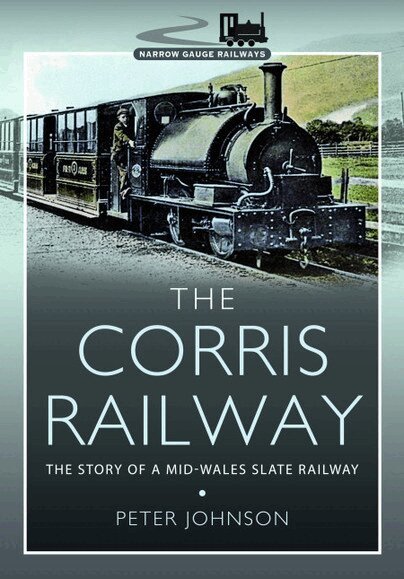
One of Wales' oldest narrow gauge railways, the 2ft 3in gauge Corris Railway was built to carry slate from several quarries in the Dulas valley to wharves on the river Dyfi. At first forbidden to use steam locomotives or to carry passengers, it overcame these obstacles and became an essential part of the community that it served.It was also a forerunner in encouraging tourists, offering inclusive tours to nearby Talyllyn, passengers travelling on the train and on railway-operated road services.Taken over by the Great Western Railway in 1930, the railway was closed by British Railways in 1948, apparently for good. Fortunately, the last two steam locomotives and some rolling stock was saved by the nearby Talyllyn Railway, where it played an essential role in that railway's preservation. Eventually, the thoughts of enthusiasts turned to reviving the Corris Railway, and, after many twists and turns, the first passengers were carried on a short section in 2002.Historian Peter Johnson has delved into many sources to uncover the intricacies of the railway's origins, its development, operation and revival.
Inbunden, Engelska, 2019
430 kr
Skickas
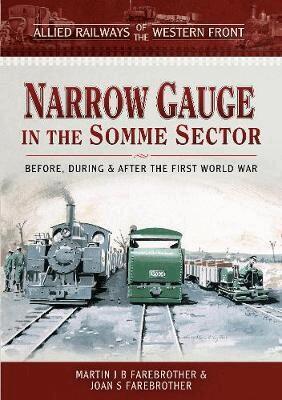
The Somme sector of the Western Front was held by French forces until early 1916, when the British and Dominions Third and Fourth Armies moved into the northern part, before the joint First Battle of the Somme from July to November 1916\. In 1917, with the German withdrawal to the Hindenburg Line, British responsibility moved further south. By early 1918 the British Third and Fifth Armies were responsible as far south as east of Noyon. In Spring 1918 the German attack and advance from the Hindenburg Line came west almost to Amiens. However the British and French Armies finally stopped the advance, and from August 1918 drove the German Army back eastwards until the Armistice on 11 November 1918.In this book the metre gauge networks established before the First World War are examined. Then the build up of light (60cm gauge) railways, initially mainly French but later British, in 1915 and 1916, is considered, with an assessment of the contribution of these and the metre gauge lines to the war effort. With the major movements of the front line in this sector in 1917 and 1918, the response of the narrow gauge railways is considered chronologically as well as by area, in the context of overall railway policy and development. After the war the light railways contributed to the reconstruction of the devastated areas, and then in some places served the sugar beet industry. The metre gauge railways were rebuilt or repaired. The story is followed to the closure of the last of these railways in the 1960s.This book is a companion volume to Narrow Gauge in the Arras Sector (Pen & Sword Transport, 2015) by the same authors. It refers also to other previous works on British and French railways in the First World War, but contains sufficient information to stand alone. It describes how to find key locations now, and where rolling stock can be seen. Some walks are included for those who wish to explore the territory.
Inbunden, Engelska, 2020
334 kr
Skickas
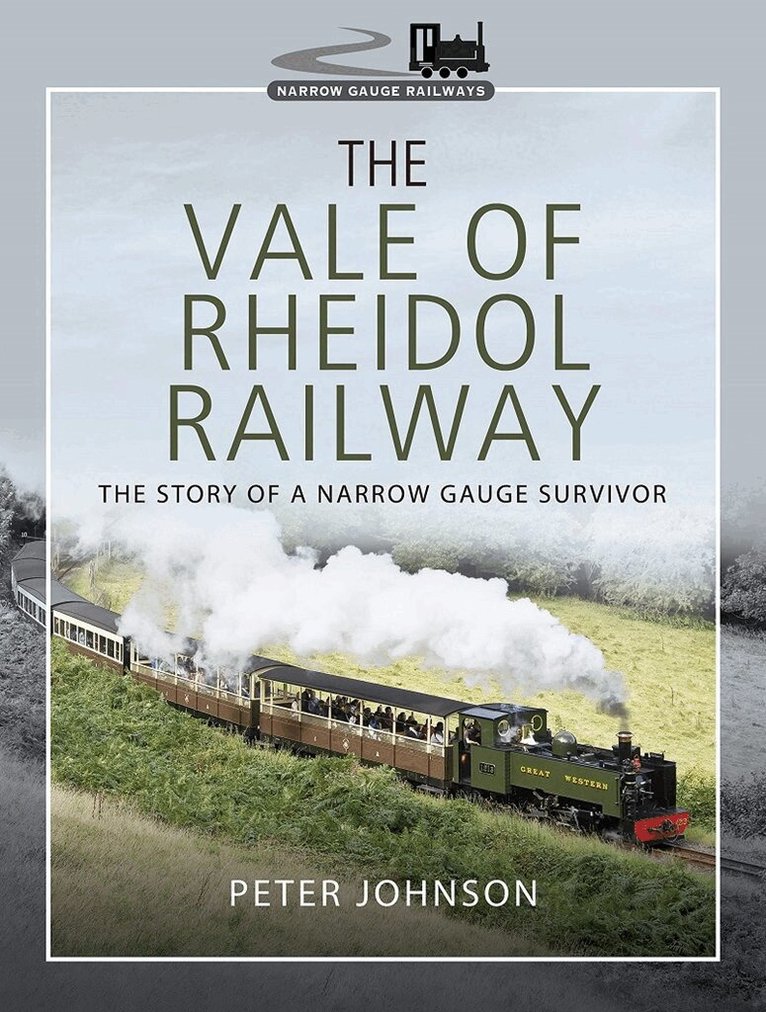
Built to carry minerals from mines in the Rheidol valley, the 2ft gauge Vale of Rheidol Railway found its niche carrying tourists to the tourist attraction at Devil's Bridge, 12 miles inland from the Cardigan coast resort of Aberystwyth. Taken over by the Cambrian Railways and then the Great Western Railway, it became the last steam railway operated by British Rail. In 1989 it became the first part of the national network to be privatised.Now under the control of a charitable trust it is undergoing a revival that will see it become one of the leading tourist attractions in Mid-Wales.
Inbunden, Engelska, 2021
389 kr
Skickas
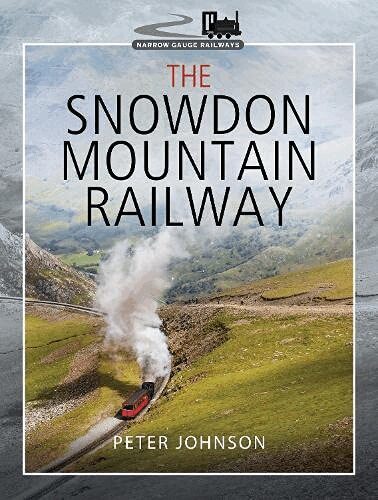
The Snowdon Mountain Railway is one of the great narrow gauge railways of North Wales, with thousands of visitors travelling to the summit of Mount Snowdon along the line each year.This book covers the history of this historic and interesting line from its beginnings in the 1890s through to the present day.The author Peter Johnson has been writing about narrow gauge railways for many years and has a deep knowledge of the lines in North and Mid Wales.The Snowdon Mountain Railway is an important part of the tourist industry in North Wales and plays a vital part in providing transport in this popular and much visited area.This volume looks at the narrow gauge railway's history and development, taking in the present and future development of this fascinating line's operation.
Inbunden, Engelska, 2024
377 kr
Skickas
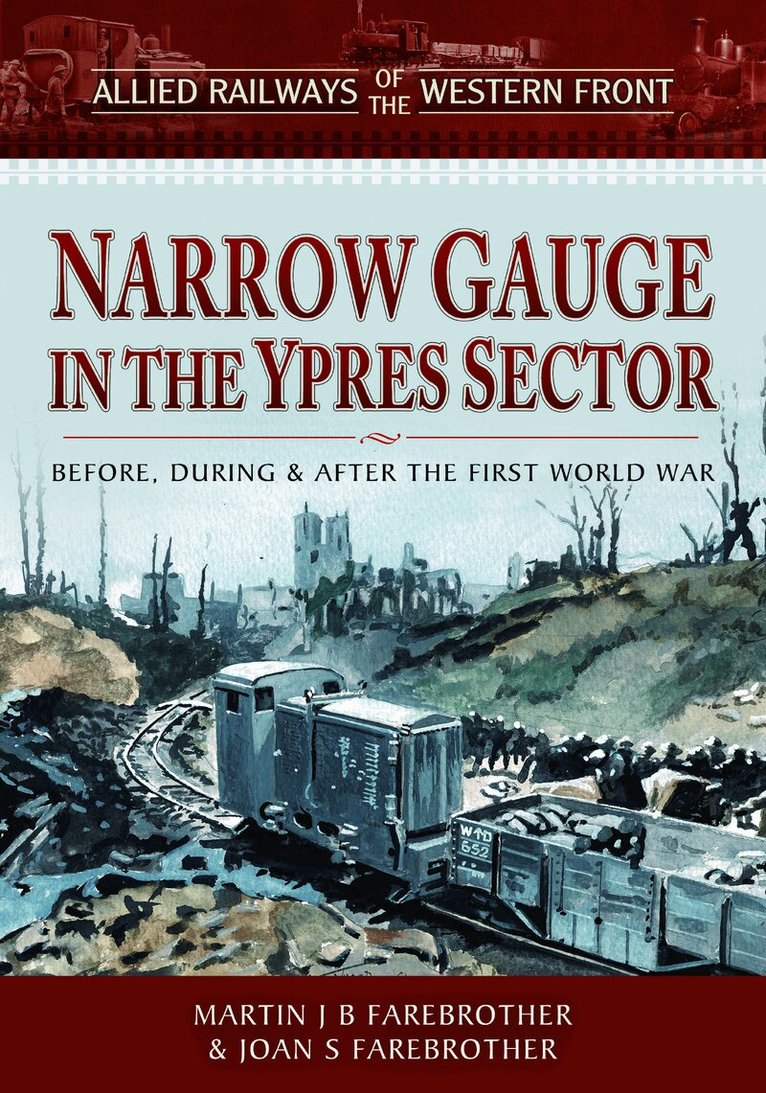
The Ypres sector of the Western Front was held predominantly by the British and Dominions Armies from 1914 to 1918. The Ypres Salient, at the centre of this sector, was one of the most intensively fought over single locations of the First World War. By the end of 1917 the sector was full of railways, dumps, camps, and other facilities. Much was lost in the German advance in April 1918, but from September 1918 the German Army was driven eastwards until the Armistice.Although Ypres and most of the forward areas are in Belgium, much of the support area is in northern France. In this book the metre gauge networks of both countries established before the First World War are examined, with their uses and extensions during the War. The build up of light (60cm gauge) railways from 1916 to 1918 is described, with an assessment of the contribution of both narrow gauges to the war effort.After the war the light railways in this sector were generally used only for short term clearing up and salvage. The metre gauge railways in Belgium were rebuilt or repaired. Those in France had been less affected. The story is followed to the closure of the last of these railways.This book is a companion volume to those on the Arras Sector (2015), and the Somme Sector (2018). It refers to other previous works on British, French and Belgian railways, especially during the First World War, but contains sufficient information to stand alone.
Inbunden, Engelska, 2020
325 kr
Tillfälligt slut
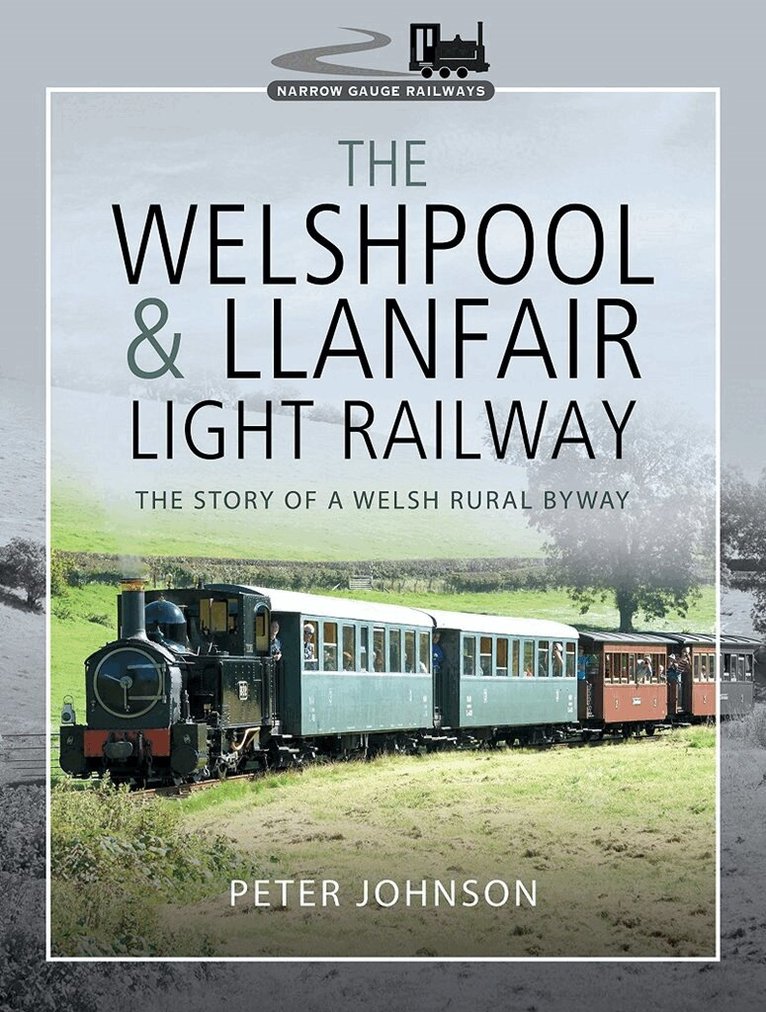
Unusually among Welsh narrow-gauge railways, the 2ft 6in gauge Welshpool & Llanfair Light Railway was built to benefit agriculture, not minerals. After several failed attempts to connect the market town at Welshpool with the rural community around Llanfair Caereinion, the 1896 Light Railways Act paved the way for the railway which opened in 1902.Operated by the Cambrian Railways and then by the Great Western Railway it became the only narrow-gauge steam railway catering for goods traffic under the auspices of British Railways. Sadly, it was closed in 1956 but enthusiasts ensured its revival, which started in 1963.Overcoming many obstacles, the railway is now run by a charitable trust and is a leading volunteer-operated tourist attraction in Montgomeryshire.