Bloomsbury Research in Sports, Politics and International Relations – serie
Visar alla böcker i serien Bloomsbury Research in Sports, Politics and International Relations. Handla med fri frakt och snabb leverans.
4 produkter
4 produkter
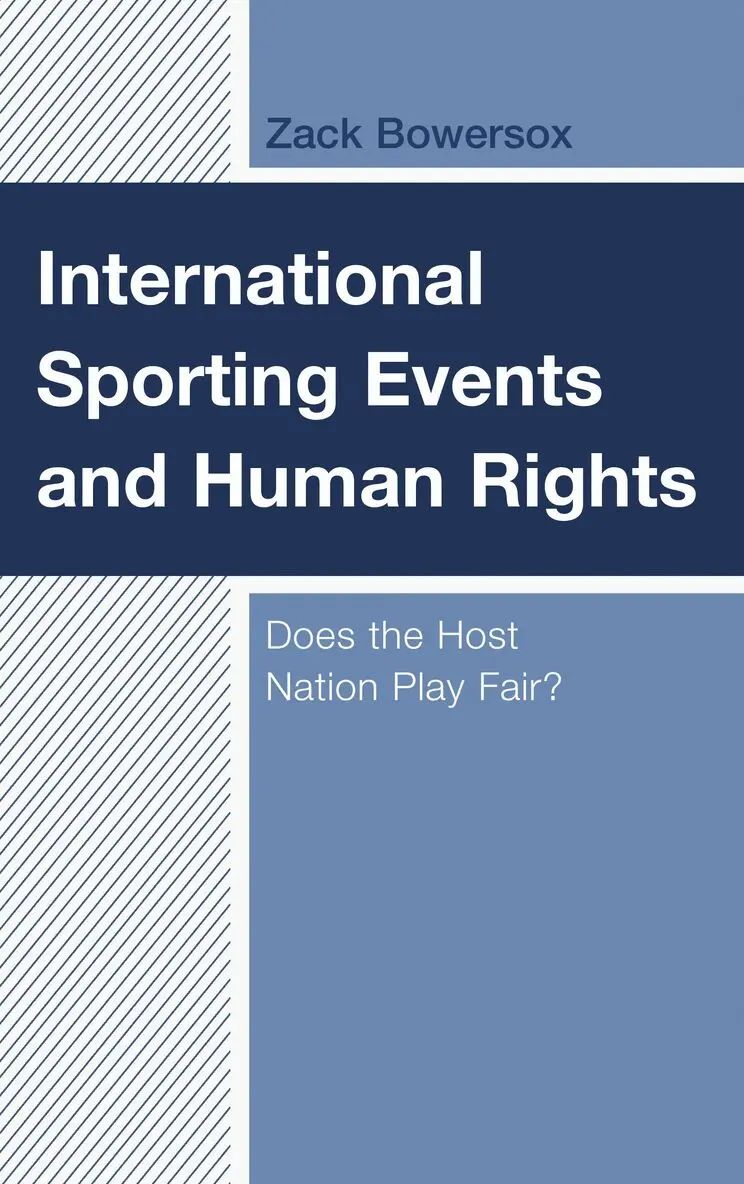
International Sporting Events and Human Rights
Does the Host Nation Play Fair?
Inbunden, Engelska, 2018
1 209 kr
Skickas inom 10-15 vardagar
Questions have recently been raised about the political consequences a state experiences when hosting an international sporting event. As the Olympics and FIFA World Cup have visited Brazil and Russia, and the latter is slated to visit Qatar, issues regarding human rights, poverty, and human trafficking have seemingly appeared as frequently in media coverage as the results of competition. This text begins to build an understanding of just how a state’s human rights are influenced by both the want and actual experience of hosting. It finds that hosts behave differently when the eyes of the world are on them and that these events do produce positive effects on a state’s level of respect for human rights. Yet, it also identifies those areas in which hosts, organizations like the IOC and FIFA, and the international sports regime can help to strengthen and expand human rights
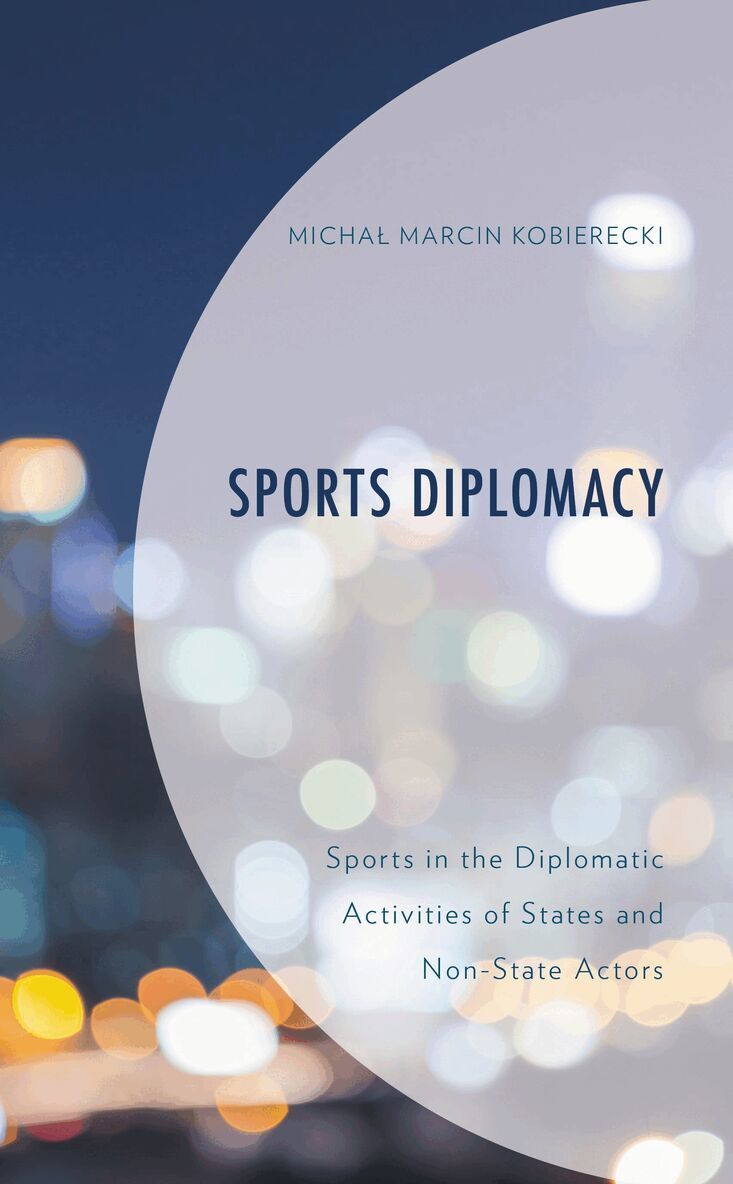
Sports Diplomacy
Sports in the Diplomatic Activities of States and Non-State Actors
Inbunden, Engelska, 2020
1 476 kr
Skickas inom 10-15 vardagar
This book analyzes the place and role of sport within public diplomacy, including theoretical conceptualizations of the category of sports diplomacy as a sub-category of public diplomacy and empirical research of selected examples of the use of sport within public diplomacy. The empirical part of the book refers to three approaches to sports diplomacy and concerns the utilization of sport by states in order to shape relations with other states, the role of sport in building the international image of a state and the diplomatic subjectivity of international sports organizations. In reference to the first two approaches, the book uses comparative case study was in order to make observations and generalizations concerning sports diplomacy. Apart from that, the book includes a detailed study of the diplomatic subjectivity of the International Olympic Committee.
Sports Diplomacy
Sports in the Diplomatic Activities of States and Non-State Actors
Häftad, Engelska, 2021
528 kr
Skickas inom 10-15 vardagar
This book analyzes the place and role of sport within public diplomacy, including theoretical conceptualizations of the category of sports diplomacy as a sub-category of public diplomacy and empirical research of selected examples of the use of sport within public diplomacy. The empirical part of the book refers to three approaches to sports diplomacy and concerns the utilization of sport by states in order to shape relations with other states, the role of sport in building the international image of a state and the diplomatic subjectivity of international sports organizations. In reference to the first two approaches, the book uses comparative case study was in order to make observations and generalizations concerning sports diplomacy. Apart from that, the book includes a detailed study of the diplomatic subjectivity of the International Olympic Committee.
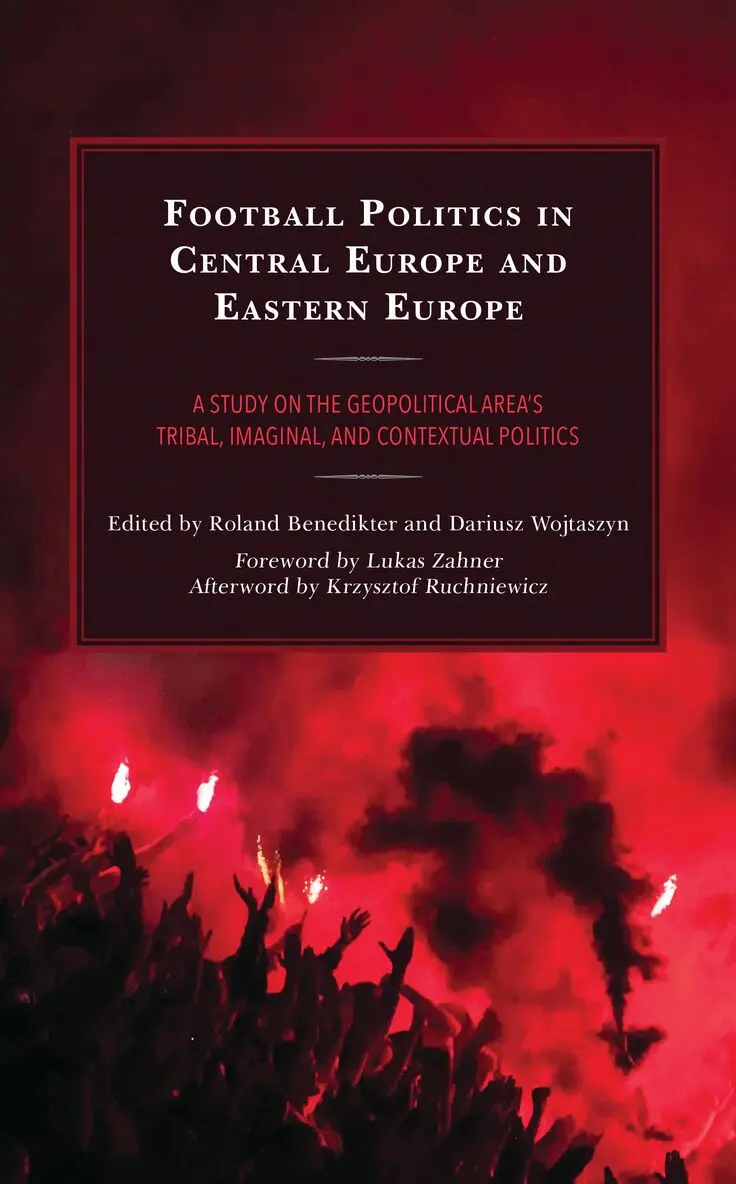
Football Politics in Central Europe and Eastern Europe
A Study on the Geopolitical Area’s Tribal, Imaginal, and Contextual Politics
Inbunden, Engelska, 2020
1 142 kr
Skickas inom 10-15 vardagar
Football in Central-Eastern and Eastern Europe has long functioned as a carrier of the three “non-normal” socio-political drivers that were effective below the surface of modernity, including the official self-image of European political systems, since the second half of the 20th century: Tribal Politics, Imaginal Politics, and Contextual Politics. All three are trends that are currently surfacing prominently on an international and global level. Long before the return of the now proverbial “Political Tribes” by the means of populisms and neo-authoritarianisms in societies around the world, football in Central-Eastern and Eastern Europe worked as a subconscious vehicle of group instincts and political moods that represented, mirrored, informed and influenced political behavior and governmental decisions both in the post-WWII communist and then, after 1989, the neo-capitalist societies located east of the former iron curtain. Football has always been used by both governments and their opponents, including the dissident civil society, to further coherence and to symbolically represent specific readings of power relations, system ideologies and history. Football in Central and Eastern Europe was always able to attract and include large parts of the population, inducing them to symbolically express protest against the government or to sustain the “politics from above”. Through football politics, aspects of the area’s specific political mechanisms are introduced and explained.