Routledge Studies in Comparative Political Thought - Böcker
Visar alla böcker i serien Routledge Studies in Comparative Political Thought. Handla med fri frakt och snabb leverans.
4 produkter
4 produkter
2 246 kr
Skickas inom 10-15 vardagar
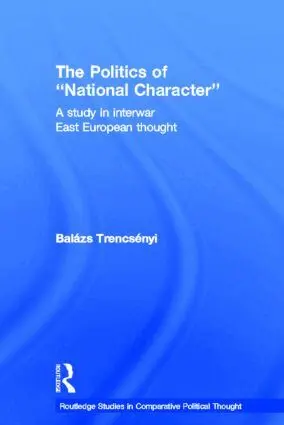
The book is a comparative analysis of the ideological constructions of national specificity in Romania, Bulgaria, and Hungary. Studying the growing infatuation with "national essence" it seeks to understand the radicalization of nationalism in East Central Europe in connection with the shift of the notions of historicity and temporality.Trencsényi provides a contextual analysis of the symbolic resources and available ideological references that were used for creating these discourses in the respective countries. While focusing on the interwar period when these conceptions became central to the political debate, he also reconstructs the long-term historical evolution of the discourse of ‘national characterology’. Through this prism the work offers a contextual reconstruction of the main debates of these elites on national identity from the mid-19th century until 1945. In the light of the three case studies, the volume contributes to discussions of the problem of modernism and anti-modernism in twentieth-century political thought, posing the question of the intellectual responsibility of intellectuals in constructing radical ideological frameworks. This book offers a broad intellectual panorama, discerning the common regional features as well as the considerable divergence between these three cases, while also placing them into a wider European intellectual framework of the emergence of radical nationalism.
2 317 kr
Skickas inom 10-15 vardagar
This edited book introduces students and scholars to Comparative Political Thought. Featuring contributions from an excellent international line-up of esteemed scholars it examines some of the following issues:Is political theory 'Western-centric'? What can we learn from non-Western traditions of political thought? How do we compare different strands of national and regional political thought?Political thought in China, India, the Middle East and Latin AmericaIslamic political thoughtPolitical thought in the wake of post-colonialismThis is a much-needed overview of this key emerging area and will be of interest to all tsudents of political theory, thought and philosophy.
618 kr
Skickas inom 10-15 vardagar
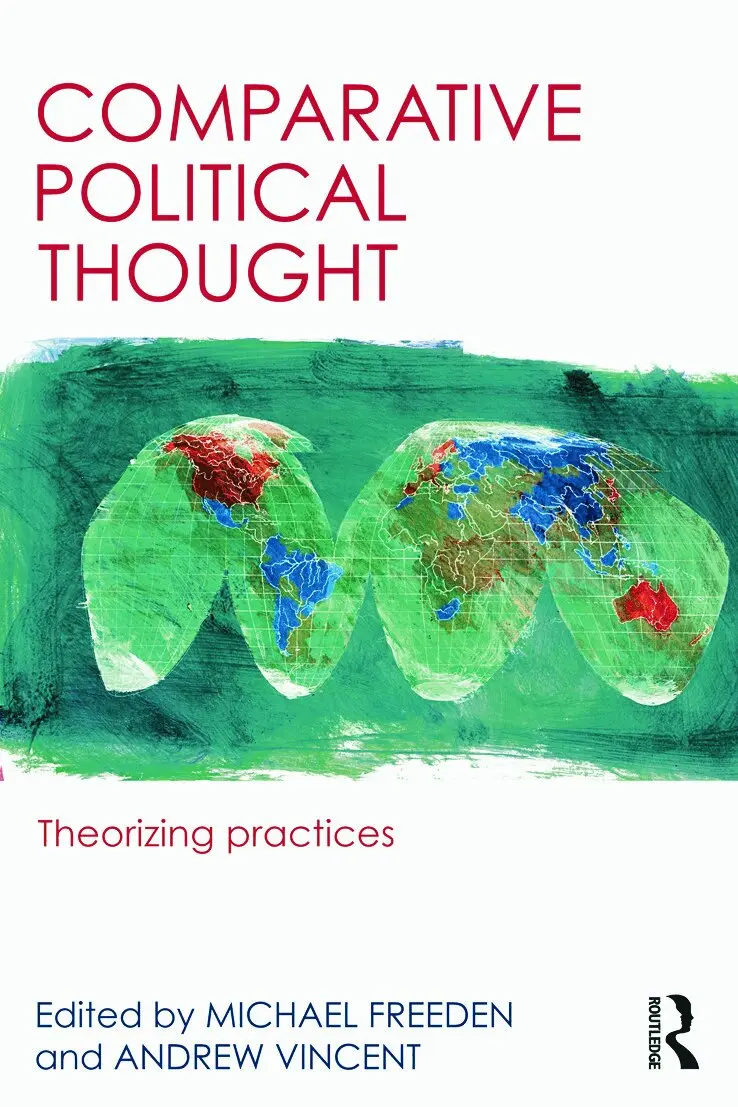
This edited book introduces students and scholars to Comparative Political Thought. Featuring contributions from an excellent international line-up of esteemed scholars it examines some of the following issues:Is political theory 'Western-centric'? What can we learn from non-Western traditions of political thought? How do we compare different strands of national and regional political thought?Political thought in China, India, the Middle East and Latin AmericaIslamic political thoughtPolitical thought in the wake of post-colonialismThis is a much-needed overview of this key emerging area and will be of interest to all tsudents of political theory, thought and philosophy.
819 kr
Skickas inom 10-15 vardagar
The book is a comparative analysis of the ideological constructions of national specificity in Romania, Bulgaria, and Hungary. Studying the growing infatuation with "national essence" it seeks to understand the radicalization of nationalism in East Central Europe in connection with the shift of the notions of historicity and temporality.Trencsényi provides a contextual analysis of the symbolic resources and available ideological references that were used for creating these discourses in the respective countries. While focusing on the interwar period when these conceptions became central to the political debate, he also reconstructs the long-term historical evolution of the discourse of ‘national characterology’. Through this prism the work offers a contextual reconstruction of the main debates of these elites on national identity from the mid-19th century until 1945. In the light of the three case studies, the volume contributes to discussions of the problem of modernism and anti-modernism in twentieth-century political thought, posing the question of the intellectual responsibility of intellectuals in constructing radical ideological frameworks. This book offers a broad intellectual panorama, discerning the common regional features as well as the considerable divergence between these three cases, while also placing them into a wider European intellectual framework of the emergence of radical nationalism.