Sedimentology and Petroleum Geology – serie
Visar alla böcker i serien Sedimentology and Petroleum Geology. Handla med fri frakt och snabb leverans.
4 produkter
4 produkter
Inbunden, Engelska, 1986
3 258 kr
Skickas inom 10-15 vardagar
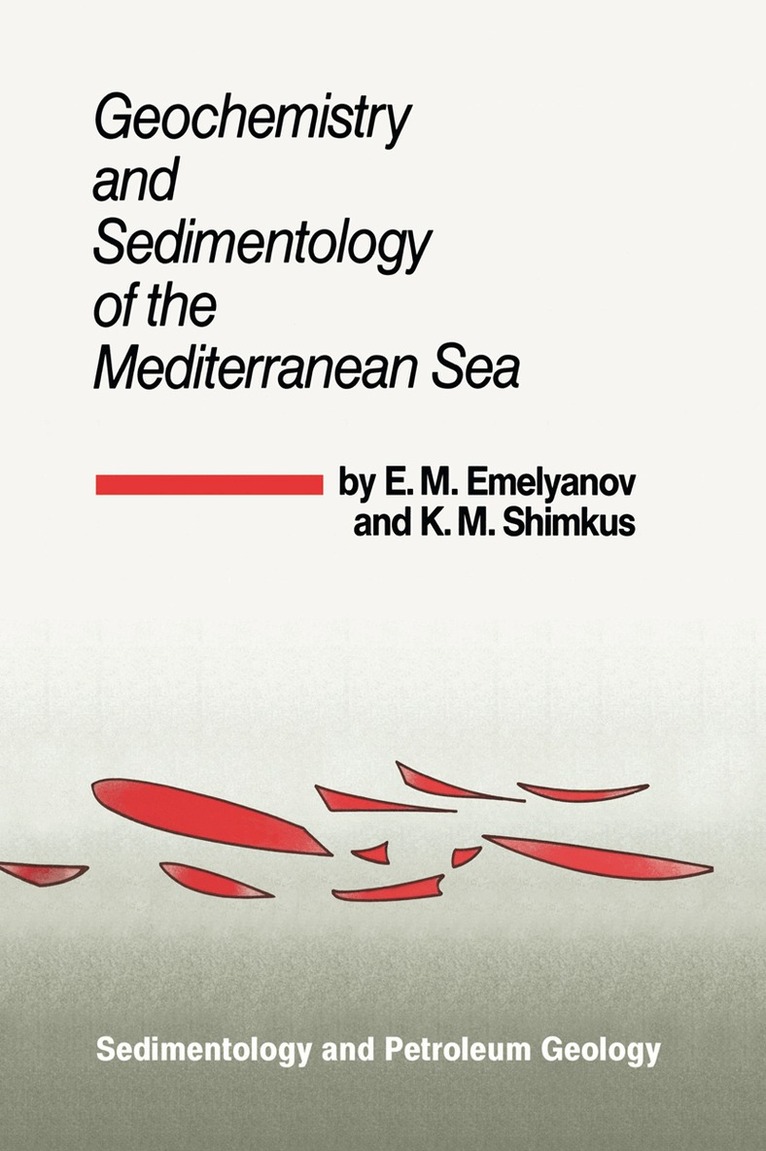
The monograph presented to foreign readers has been prepared by the famous Soviet investigators of processes of geochemistry and sedimentation in the Mediterranean Sea. For more than 20 years E.M. Emelyanov has examined the recent sedimentation of the Mediterranean Sea and K.M. Shimkus has studied the Quaternary and the earlier sedi mentation of the area. The authors, scientific workers from the P.P. Shirshov Institute of Oceanology, USSR Academy of Sciences (Atlantic and Southern Depart ments), took part not only in numerous cruises on oceanographic vessels of the USSR, but in the study of cores of the deep-sea drilling on R/V "Glomar Challenger". A great number of scientific papers and some books devoted to the processes of sedimentation and geochemistry of the Mediterranean Sea were written by them. Although the scientific interests of the authors are not only limited to these questions, I should like to emphasise these aspects of their scientific activity when introducing this book. The Mediterranean Sea is a suitable natural laboratory for solving a number of principal problems of marine sedimentation and lithogenesis.
Häftad, Engelska, 1987
1 091 kr
Skickas inom 10-15 vardagar
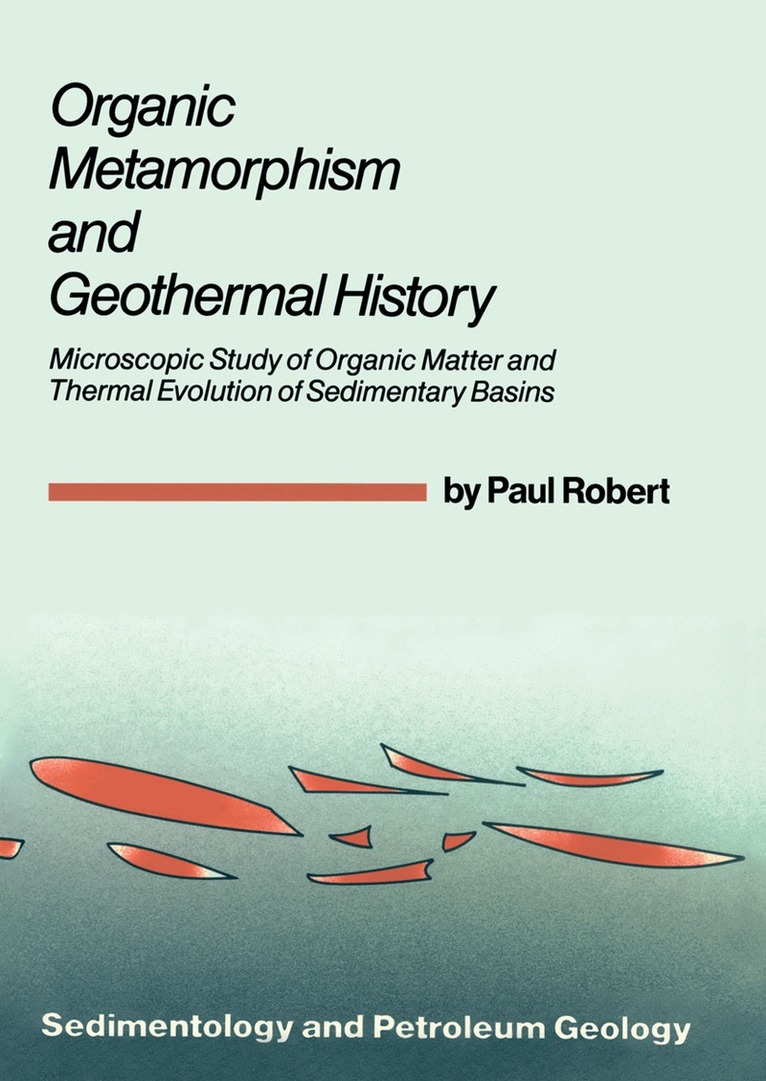
The optical studies of fossil organic matter in reflected light have made great progress in recent decades with the development of coal petrology, completed around the end of the 1970s by fluorescence examination. As they are complementary to the studies in transmitted light (palynology) and organic geochemistry developed for petroleum exploration purposes, they have become a much used tool in the recognition of sedimentary thermal transformations. For more than fifteen years within the Elf-Aquitaine Group, these studies have been applied in their various aspects to furnish a better geological understanding of basins during exploration. They have enabled us to define liquid and gas hydrocarbon domains which they differentiate and have also enabled a better characterization of sedimentary environments. Perhaps the most unexpected result of these studies has been to reconstruct the thermal history of the basins. Unforeseen but promising, when deduced from the thermicity of the sedimentary cover, the crust thermicity forms a determining link-element between the deep tectonics and the basin formation. Over the last ten years, the significance of this theme of research has been reinforced thanks to the impressive development of geodynamic studies following the general change in ideas brought about by plate tectonics. The present-day geothermal studies, conducted simultaneously in the oceanic and continental domains, have provided it with an argumentation and richer references.
Häftad, Engelska, 2011
549 kr
Skickas inom 10-15 vardagar
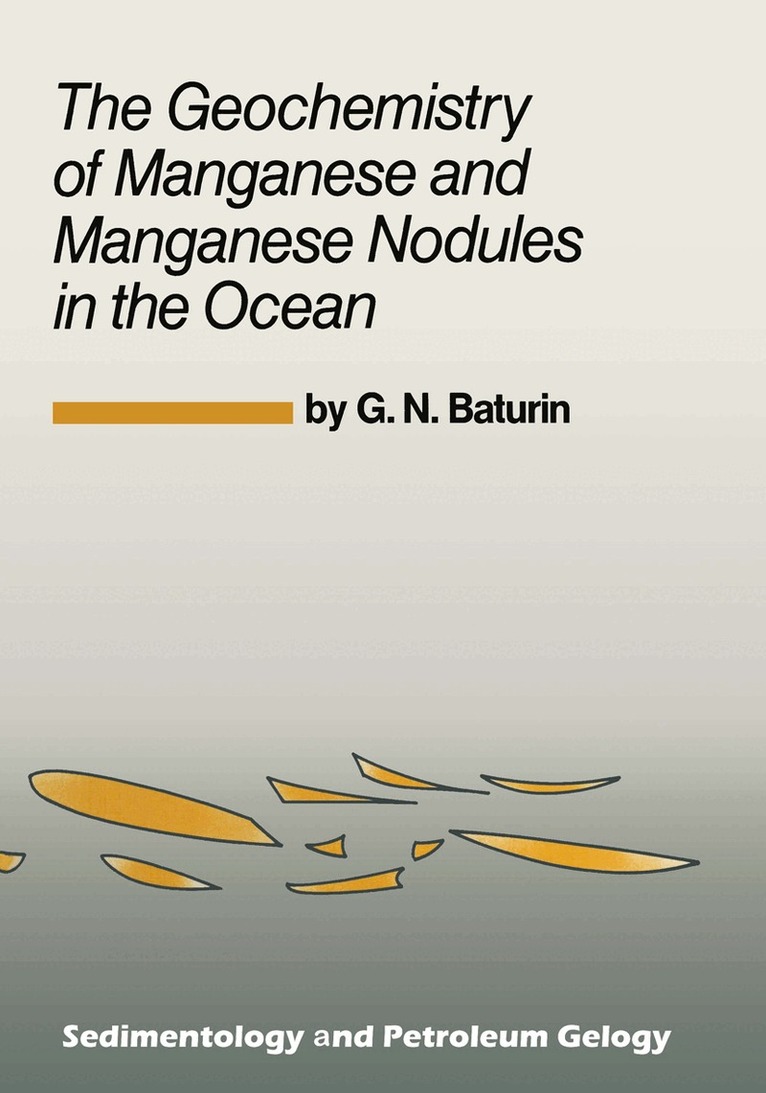
Manganese nodules were first discovered on the ocean floor 160 miles south-west of the Canary Islands on February 18, 1803, during the first complex oceano logical cruise of the Challenger. They surprised researchers by their unusual shape and also by their unusual chemical composition; nevertheless for many years after wards, they were considered merely as one of Nature's exotic marine tricks. After the Secpnd World War, a comprehensive investigation of the World Ocean started, and new data were obtained on a wide distribution of manganese nodules and their polymetallic composition, that made scientists consider nodules as one of the major characteristics of the deep oceanic zone. Recently, meaning since the 1960's, nodules have been recognized as a potential ore source, investigation of which is stimulated by the progressive depletion of land-based mineral resources. Several generations of scientists from various countries have contributed to the problem of exploration of manganese nodules on the ocean floor. Though the problem has been posed, it has not been solved yet because it required, in its turn, a scrutiny of some fundamental aspects such as composition, nature, accretion r'ate of nodules and retrieval of nodule fields. These problems have been discussed in thousands of papers and larger publications; see, in particulare, Mero, 1965; Horn, 1972; Morgenstein, 1973; Bezrukov, 1976; Glasby, 1977; Bischoff and Piper, 1979; Lalou, 1979; Manganese nodules, 1979; Varentsov, 1980; Cronan, 1980; Manganese nodules . . . , 1984, 1986.
Häftad, Engelska, 2012
3 258 kr
Skickas inom 10-15 vardagar
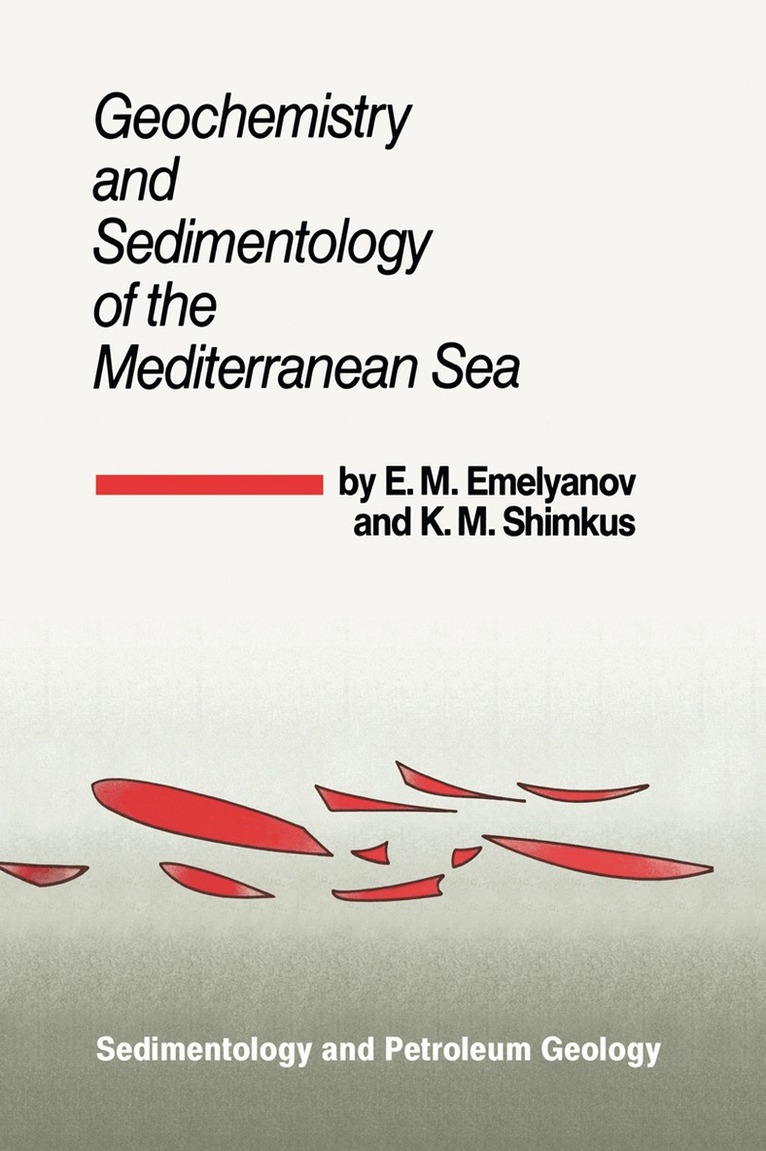
The monograph presented to foreign readers has been prepared by the famous Soviet investigators of processes of geochemistry and sedimentation in the Mediterranean Sea. For more than 20 years E.M. Emelyanov has examined the recent sedimentation of the Mediterranean Sea and K.M. Shimkus has studied the Quaternary and the earlier sedi mentation of the area. The authors, scientific workers from the P.P. Shirshov Institute of Oceanology, USSR Academy of Sciences (Atlantic and Southern Depart ments), took part not only in numerous cruises on oceanographic vessels of the USSR, but in the study of cores of the deep-sea drilling on R/V "Glomar Challenger". A great number of scientific papers and some books devoted to the processes of sedimentation and geochemistry of the Mediterranean Sea were written by them. Although the scientific interests of the authors are not only limited to these questions, I should like to emphasise these aspects of their scientific activity when introducing this book. The Mediterranean Sea is a suitable natural laboratory for solving a number of principal problems of marine sedimentation and lithogenesis.