The Biology of Horticultural Crops – serie
Visar alla böcker i serien The Biology of Horticultural Crops. Handla med fri frakt och snabb leverans.
6 produkter
6 produkter
1 074 kr
Skickas inom 7-10 vardagar
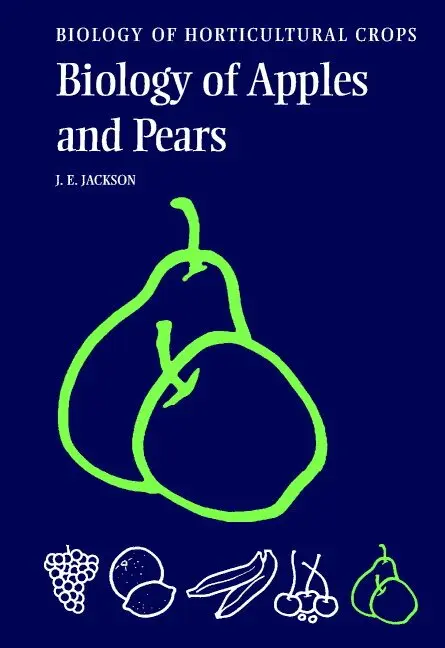
Biology of Apples and Pears is a comprehensive reference book on all aspects of pomology at the organ, tree and orchard level. It provides detailed information on propagation, root and shoot growth, root stock effects, canopy development in relation to orchard design, flowering, pollination, fruit set, fruit growth, fruit quality factors and quality retention in store. It also deals with mineral nutrition, water-relations and irrigation, diseases and pests and biotechnology. The book emphasises the scientific basis of modern tree and orchard management and fruit storage. It describes key cultivar differences and their physiology and genetics and environmental effects and cultivar x environment interactions in tropical and sub-tropical as well as temperate zone conditions. It is written for fruit growers, extension workers, plant breeders, biotechnologists and storage and crop protection specialists as well as for researchers and students of pomology and horticulture.
705 kr
Skickas inom 7-10 vardagar
Information on the evolution, taxonomy, morphology, anatomy, physiology and genetics of grapevines has been scarce and thinly spread in the literature on horticulture and the plant sciences. This book aims to provide a concise but comprehensive overview of the biology and cultivation of the grapevine, accessible to all concerned with viticulture. After a description of the essential features of viticulture, including a concise history from antiquity to modern times, the taxonomy of the grapevine and the evolutionary processes which gave rise to the diversity within the Vitaceae is considered. Particular attention is paid to the genera Vitis and Muscadinia, which are considered a reserve of genetic variation for the improvement of grapevines. A description of the vegetative and reproductive anatomy of the grapevine precedes a full discussion of the developmental and environmental physiology of these fascinating and economically important plants. The concluding chapter considers the potential for genetic improvement of grapevines and includes coverage of the problems encountered, and the methods and strategies employed in breeding for scions and rootstocks.
534 kr
Skickas inom 7-10 vardagar
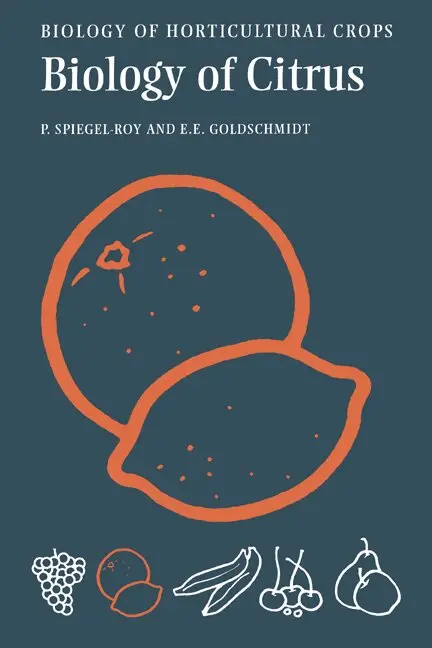
Biology of Citrus provides a concise and comprehensive discussion of all major developmental, genetic and horticultural aspects of citriculture in an easily readable text. The book deals with the history, distribution and climatic adaptation of the crop, followed by taxonomy and systematics, including a horticultural classification of edible citrus species. Subsequent chapters cover tree structure and function, reproductive physiology, including flowering, fruiting, productivity, ripening, post-harvest and fruit constituents. The main aspects of cultivated citrus, such as rootstocks, irrigation, pests, viruses and diseases are dealt with, leading to a concluding chapter that considers genetic improvement, including the use of tissue culture and plant biotechnology. The book includes many specially produced original illustrations and the extensive reading lists will make it invaluable for students and citrus specialists.
1 653 kr
Skickas inom 7-10 vardagar
Information on the evolution, taxonomy, morphology, anatomy, physiology and genetics of grapevines has been scarce and thinly spread in the literature on horticulture and the plant sciences. This book aims to provide a concise but comprehensive overview of the biology and cultivation of the grapevine, accessible to all concerned with viticulture. After a description of the essential features of viticulture, including a concise history from antiquity to modern times, the taxonomy of the grapevine and the evolutionary processes which gave rise to the diversity within the Vitaceae is considered. Particular attention is paid to the genera Vitis and Muscadinia, which are considered a reserve of genetic variation for the improvement of grapevines. A description of the vegetative and reproductive anatomy of the grapevine precedes a full discussion of the developmental and environmental physiology of these fascinating and economically important plants. The concluding chapter considers the potential for genetic improvement of grapevines and includes coverage of the problems encountered, and the methods and strategies employed in breeding for scions and rootstocks.
1 311 kr
Skickas inom 7-10 vardagar
Biology of Citrus provides a concise and comprehensive discussion of all major developmental, genetic and horticultural aspects of citriculture in an easily readable text. The book deals with the history, distribution and climatic adaptation of the crop, followed by taxonomy and systematics, including a horticultural classification of edible citrus species. Subsequent chapters cover tree structure and function, reproductive physiology, including flowering, fruiting, productivity, ripening, post-harvest and fruit constituents. The main aspects of cultivated citrus, such as rootstocks, irrigation, pests, viruses and diseases are dealt with, leading to a concluding chapter that considers genetic improvement, including the use of tissue culture and plant biotechnology. The book includes many specially produced original illustrations and the extensive reading lists will make it invaluable for students and citrus specialists.
2 522 kr
Skickas inom 7-10 vardagar
Biology of Apples and Pears is a comprehensive reference book on all aspects of pomology at the organ, tree and orchard level. It provides detailed information on propagation, root and shoot growth, root stock effects, canopy development in relation to orchard design, flowering, pollination, fruit set, fruit growth, fruit quality factors and quality retention in store. It also deals with mineral nutrition, water-relations and irrigation, diseases and pests and biotechnology. The book emphasises the scientific basis of modern tree and orchard management and fruit storage. It describes key cultivar differences and their physiology and genetics and environmental effects and cultivar x environment interactions in tropical and sub-tropical as well as temperate zone conditions. It is written for fruit growers, extension workers, plant breeders, biotechnologists and storage and crop protection specialists as well as for researchers and students of pomology and horticulture.