Wiley Series in Healthcare and Senior Living Design – serie
Visar alla böcker i serien Wiley Series in Healthcare and Senior Living Design. Handla med fri frakt och snabb leverans.
3 produkter
3 produkter
Del 9 - Wiley Series in Healthcare and Senior Living Design
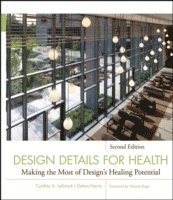
Design Details for Health
Making the Most of Design's Healing Potential
Inbunden, Engelska, 2011
1 499 kr
Skickas inom 3-6 vardagar
Praise for Design Details for Health"Cynthia Leibrock and Debra Harris have developed a vitally important reference. They draw upon and compile a rich source of evidence that supports the application of specific research-based details for particular health-related settings."From the Foreword by Dr. Wayne Ruga, AIA, FIIDA, Hon. FASIDThe revised edition on implementing design details to improve today's health care facilitiesan inspiring, comprehensive guideIn this significantly revised second edition, Cynthia Leibrock and Debra Harris offer up-to-date information on design details that can improve patient outcomes and user experience by returning authority to the patient, along with fascinating case studies and research demonstrating the positive role design can play in reducing health care costs. Design Details for Health, Second Edition offers contemporary examples showing how design can improve patient comfort and independence, and demonstrates how to design highly functional health care facilities that operate at peak performance. The book addresses a range of health care facility types including hospitals, ambulatory care, wellness centers, subacute care and rehabilitation, adult day care and respite, assisted living, hospice, dementia care, and aging in place. This Second Edition includes: The latest research, which was only anecdotal in nature as recently as a decade ago, illustrating how design through evidence produces measurable outcomes Real-world case studies of a range of excellent health care facilities that have been designed and built in the twenty-first century Updated contributions with leading practitioners, researchers, and providers conveying how design has a positive impact on health care delivery When design empowers rather than disables, everybody wins. Sensitive to the needs of both patients and providers, Design Details for Health, Second Edition is essential reading for today's architects, interior designers, facility managers, and health care professionals.
Del 3 - Wiley Series in Healthcare and Senior Living Design
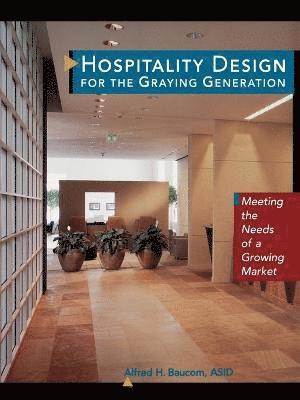
Hospitality Design for the Graying Generation
Meeting the Needs of a Growing Market
Häftad, Engelska, 1996
1 490 kr
Skickas inom 5-8 vardagar
A comprehensive and practical approach to designing for the growingsenior market As people live longer, stay healthier, and enjoy more disposableincome, their use of hospitality services is increasingdramatically. Hospitality Design for the Graying Generation helpsyou cater to this expanding market by providing criticalinformation on designing facilities which are sensitive to theneeds of the over-65 population. With the important principlesexplained in this book, designing for the senior consumer can becreative, cost-effective, and benefit all consumers withoutsacrificing style. This indispensable guide includes:* A Universal Design approach that can be applied to bothcommercial and residential projects, going beyond compliance withADA guidelines* A wide range of hospitality design, including restaurants, hotelguest rooms, lobbies, and lounges* Design principles beautifully illustrated with concise, detaileddrawings* Extensive coverage of the specific physical needs and psychologyof seniors, including physical strength, hearing, sight, colorpreferences, and other areas* A quick-reference checklist of "senior-friendly" designfeatures When the interior design needs of the over-65 market are met, allpotential users gain, regardless of age or ability. This accessiblebook is an invaluable resource for designers, operators, and otherprofessionals throughout the hospitality industry. With millions of baby boomers rapidly approaching retirement age,the over-65 age group is the fastest-growing segment of thepopulation. As they become healthier, live longer, and have moredisposable income, their use of hospitality services, such ashotels and restaurants, will increase dramatically. Whether you area designer or a hospitality professional, Hospitality Design forthe Graying Generation helps you plan for this growing market byproviding you with critical information for designing facilitiesthat accommodate the needs of all generations. Clearly written and generously illustrated, Hospitality Design forthe Graying Generation shows you how to address the specificphysical and psychological needs of seniors, with detailed chapterson mobility, hearing, vision, color preferences, and otherimportant areas. Going beyond ADA guidelines, Alfred Baucom'sUniversal Design approach enables you to integrate senior-friendlydesign principles into a wide range of specific environments --fromlobbies, common areas, and public restrooms to restaurants,lounges, and hotel guest rooms. In meeting the needs of the over-65 market, Hospitality Design forthe Graying Generation ensures that all potential users, regardlessof age or ability, will be well accommodated.
Del 6 - Wiley Series in Healthcare and Senior Living Design
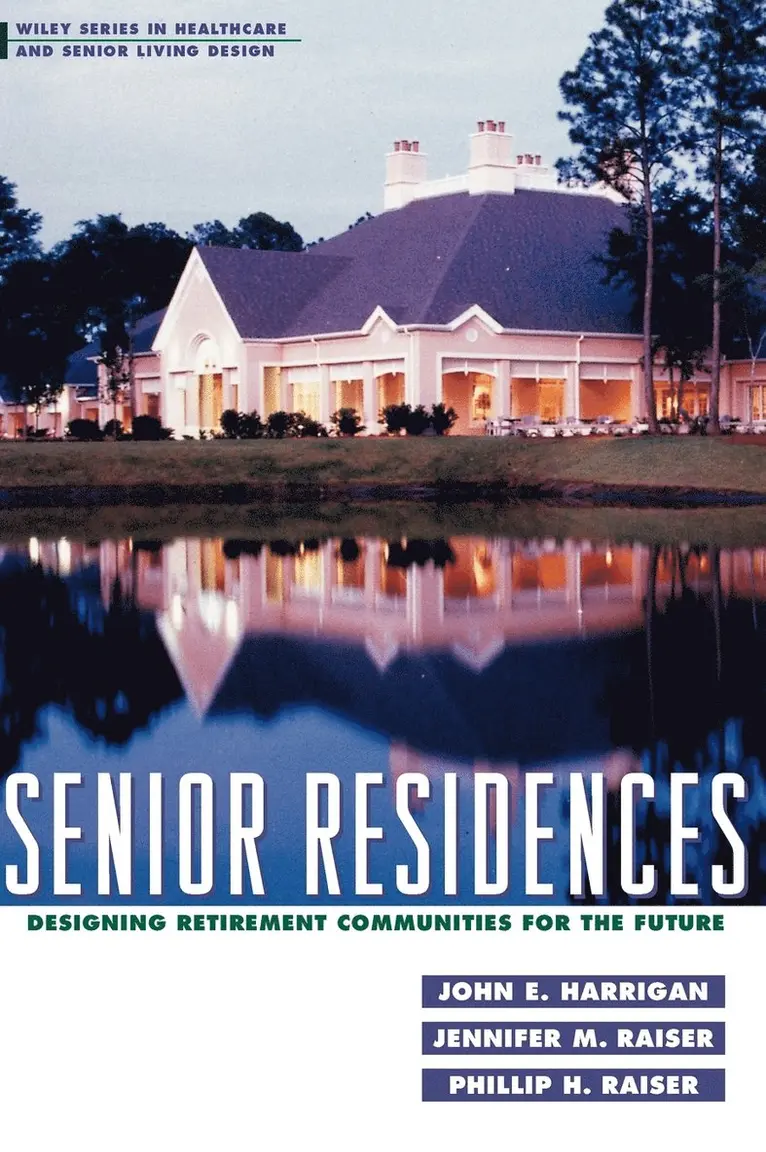
Senior Residences
Designing Retirement Communities for the Future
Inbunden, Engelska, 1998
1 434 kr
Skickas inom 5-8 vardagar
A comprehensive framework for capitalizing on the growing market for Continuing Care Retirement Communities. Senior Residences equips architects and other industry professionals with a proven executive strategy for the design and development of successful Continuing Care Retirement Community (CCRC) projects. Using two of America's foremost CCRCs as best practice case studies, it guides readers through every critical aspect of the process, from research and planning through construction, including:* The enterprise concept* Formation of an executive organization* Financial and legal due diligence* Marketing and sales preparation* Residents' expectations and requirements* Healthcare and residential services* The design and build process* Project monitoring and assessment The over-65 population is increasing rapidly and dramatically, raising crucial concerns about the housing and care of senior citizens in the years ahead. How can we provide the best possible quality of care to the elderly? How can architects, developers, and others capitalize on the growing senior housing industry and stay competitive in the future? How can the facilities they create deliver both good service and strong financial returns? While there are no easy answers to these important questions, the Continuing Care Retirement Community (CCRC) model has emerged as a flexible and attractive option for providing combined housing, services, and nursing care to the elderly. Senior Residences equips architects and other industry professionals with a comprehensive, three-part strategic framework for designing and developing successful CCRC projects. Part I identifies the eight critical success factors of a CCRC enterprise and illustrates them through an in-depth examination of two exemplary developments, The Cypress of South Carolina's Hilton Head Island and The Stratford in the San Francisco Peninsula. Part II details a computer-based "standard of performance" system to track progress and assess project performance. Finally, Part III examines how to use different types of research to stay on top of market trends and forecasts, legal and licensing requirements, and more. Together, the three elements of this executive strategy cover every aspect of the development process, from the initial enterprise concept and executive organization building to financial and legal due diligence, marketing and sales, residents' services and healthcare, and design and build. Readers gain essential guidance in tackling key project management issues as well as in developing effective problem-solving and troubleshooting skills. Written by an author team with extensive CCRC experience, Senior Residences helps encourage avenues of thought that will lead to more cohesive, responsive, and successful CCRC projects that benefit the professionals who build them and the residents who live in them.