Yale Contemporary Law Series – serie
Visar alla böcker i serien Yale Contemporary Law Series. Handla med fri frakt och snabb leverans.
4 produkter
4 produkter
Häftad, Engelska, 1992
358 kr
Skickas inom 5-8 vardagar
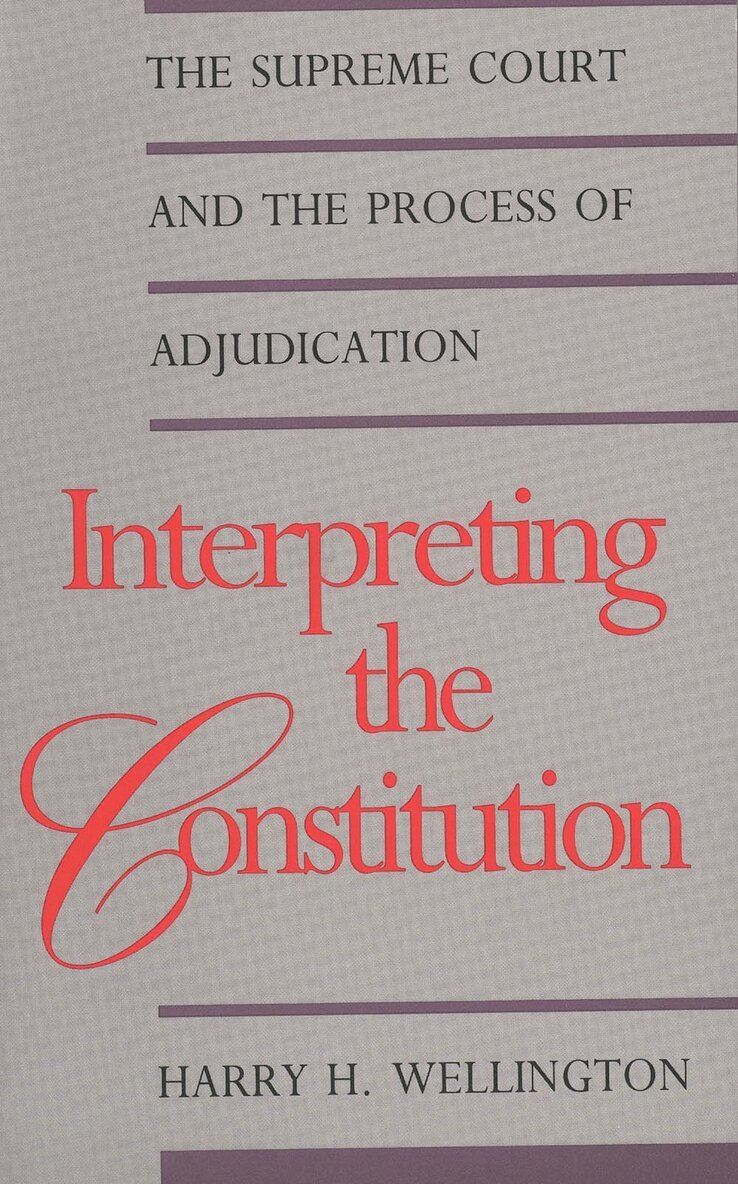
How does the Supreme Court work? Is there something undemocratic about having unelected judges overturn laws passed by elected legislators? How can a brief, two-hundred-year old constitution continue to provide the fundamental law for governing the United States? In this book a prominent legal scholar explores these questions with unusual clarity. Harry H. Wellington discusses judicial review (the process by which the court decides whether laws are valid) and the interpretive role the court plays in constitutional regulation and the resolution of individual disputes. Written in an engaging and accessible manner, the book offers fascinating examples of the court at work, in particular showing how it has addressed one of the most controversial political and judicial issues of our time—abortion. Harry H. Wellington takes a frank and provocative look at the process of adjudication, showing how it incorporates and shapes public values and mores as they change from one generation to the next. He explains why democracies can tolerate judicial review by nonelected officials and he refutes the politically popular doctrine of “original intent” and explains why those who interpret the Constitution must be responsive to precedent and process. Wellington also shows how the American political system allows the public to respond to the Court’s decisions on such strongly debated issues as abortion. Although he argues for the retention of Roe v. Wade, Wellington points out that the Court makes mistakes, and he asserts that institutions, groups, and individuals sometimes have an obligation to contest the court’s readings and its authority. This often noisy dialogue, says Wellington, is necessary to make judicial regulation compatible with the democratic ideology on which the United States is based.
Häftad, Engelska, 1999
439 kr
Skickas inom 5-8 vardagar
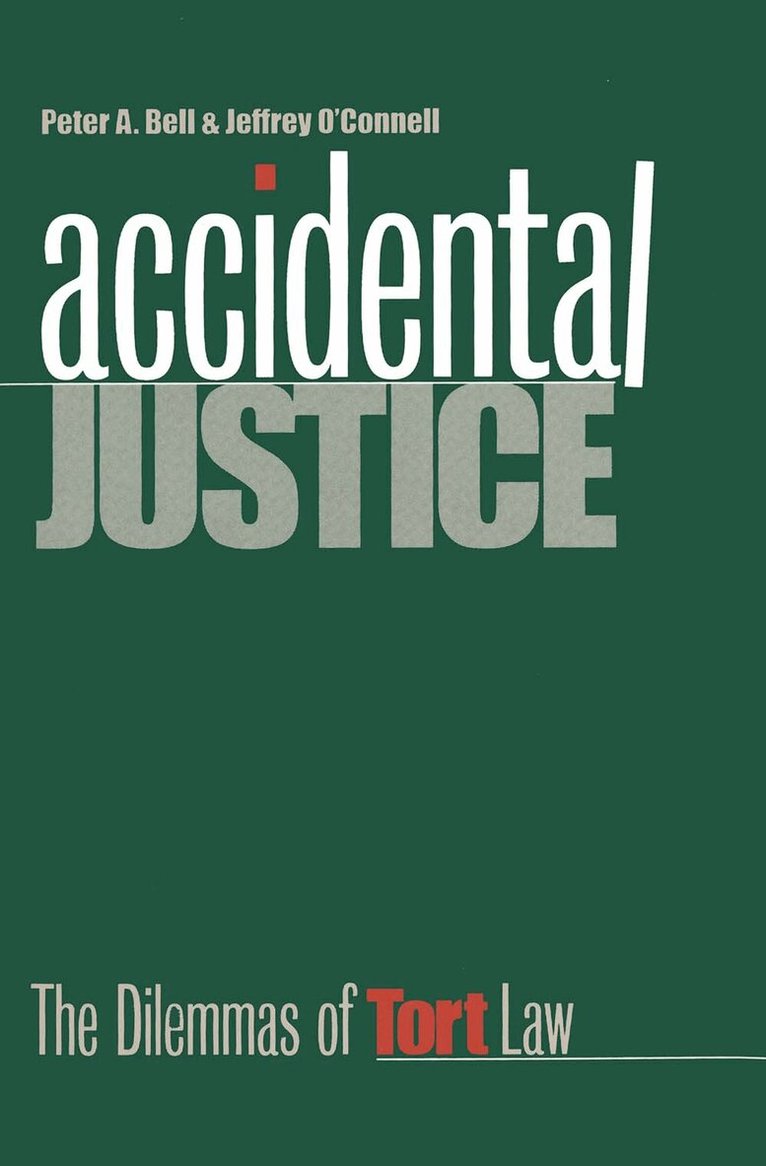
A woman suffers paralyzing injuries in a car accident but fails in court to prove the other driver's fault. She loses her case and is left bankrupt as well as maimed. An intoxicated man stumbles in the path of a subway train. He sues the local transit authority and wins a $9 million judgment. Real-life tort (or accident) cases like these inspire outrage against a system that seems frustratingly slow, inequitable, and expensive. In this even-handed and fascinating book, two leading tort experts explain to lay readers the strengths and weaknesses of our tort law system. Peter Bell and Jeffrey O'Connell demystify tort law and bring to life the process of tort litigation.The roots of tort law lie in human suffering, maimed bodies, shattered spirits, and extinguished lives, say the authors. They discuss tort law's compensatory and deterrent functions; its delays, fortuity, and high transaction costs (mostly in lawyer's fees); and its role in discouraging harmful—as well as, on occasion, useful—activities. In a discussion of mass toxic tort cases, the authors investigate the ability of the courts to deal adequately with huge suits (related to breast implants or tobacco-related illnesses, for example) that involve massive numbers of claimants. Bell and O'Connell conclude with an objective review of such current reform enactments and proposals as no-fault insurance, caps on damages, and contingency fee reform.
Häftad, Engelska, 1999
473 kr
Skickas inom 3-6 vardagar
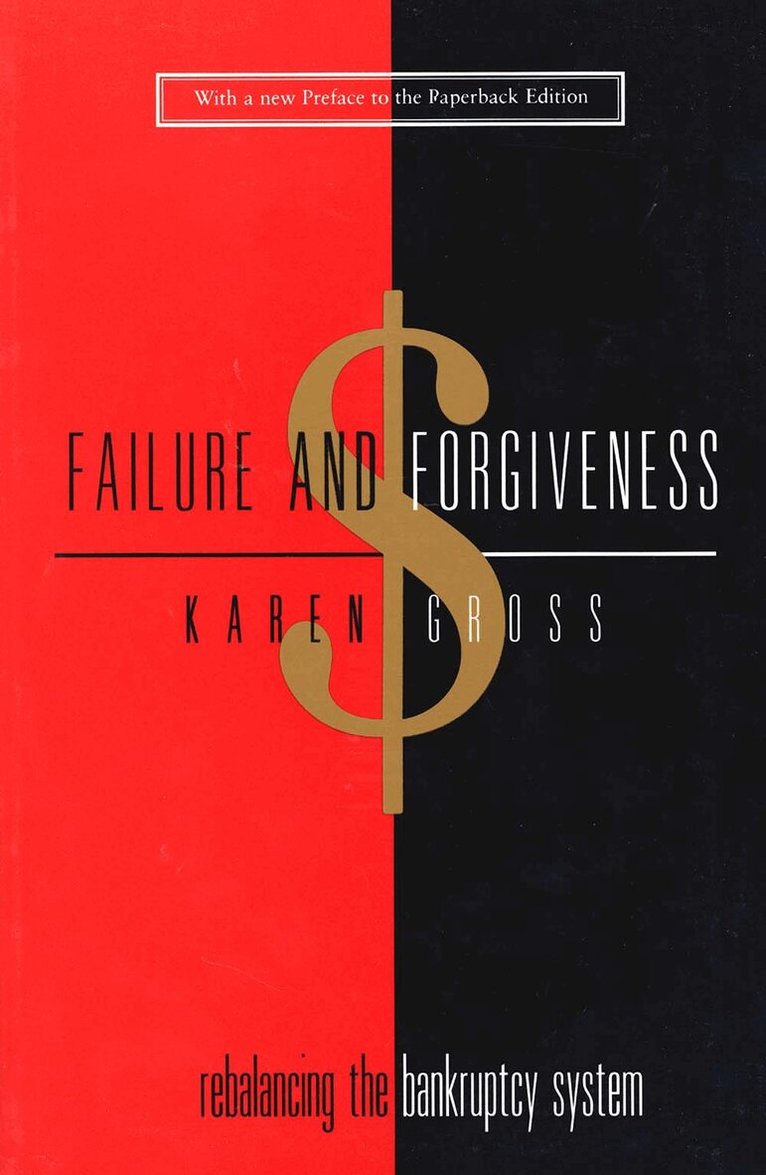
In 1996 a record one million-plus bankruptcy cases were filed in the United States. In this important book, an eminent legal authority provides an accessible introduction to and evaluation of the federal bankruptcy system governing these filings. Karen Gross describes existing bankruptcy law, assesses what is actually happening in practice, and makes specific—and controversial—recommendations for reform.Gross explores the varying and often conflicting interests of debtors, creditors, and community in the bankruptcy system. She justifies the idea of a "fresh start" for individual and business debtors by analyzing notions of forgiveness and rehabilitation in a civilized society. She offers a new perspective on how to treat certain of the creditors that bankruptcy touches, substituting a principle of equality of outcome for the principle of equality of treatment. She also presents an original argument about community interests, contending that they should be given serious weight in the necessary balancings that make up bankruptcy law and policy, and provides specific statutory amendments to achieve this goal. Offering a humanitarian approach to bankruptcy rather than the law and economic approach commonly used, this book places legal issues of bankruptcy in their social context and opens the dialogue about bankruptcy to lawyers and nonlawyers alike.
Häftad, Engelska, 2016
521 kr
Skickas inom 5-8 vardagar
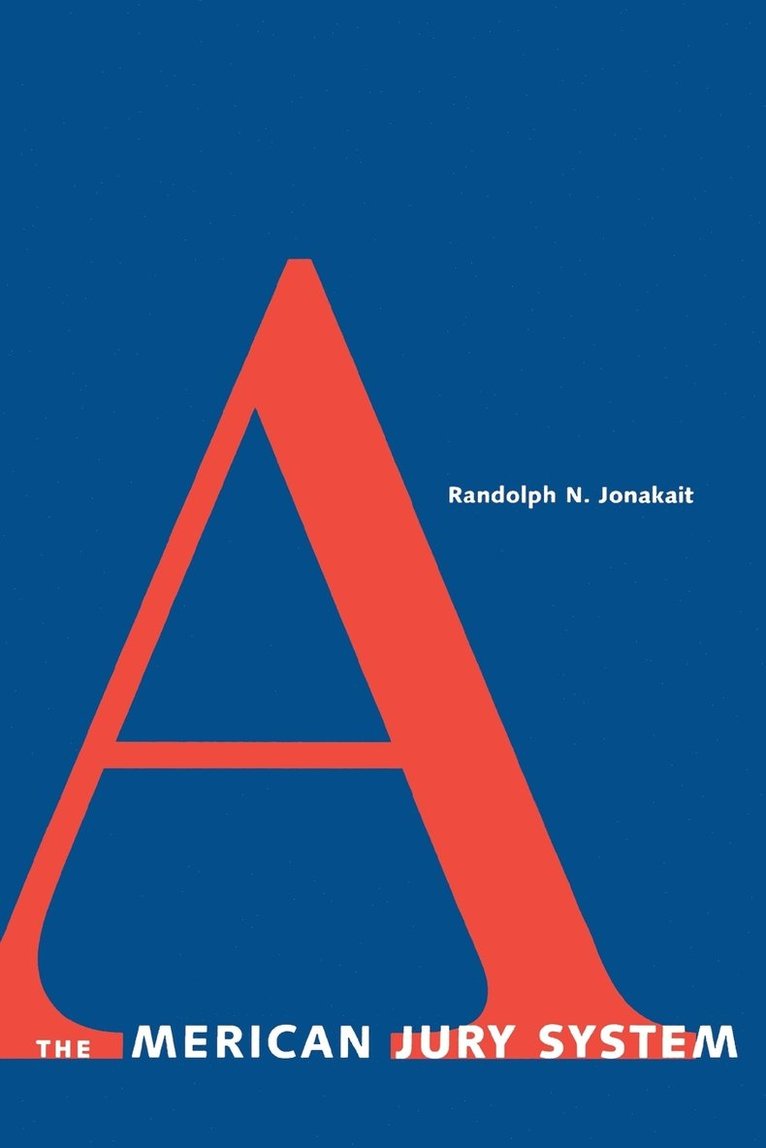
How are juries selected in the United States? What forces influence juries in making their decisions? Are some cases simply beyond the ability of juries to decide? How useful is the entire jury system?In this important and accessible book, a prominent expert on constitutional law examines these and other issues concerning the American jury system. Randolph N. Jonakait describes the historical and social pressures that have driven the development of the jury system; contrasts the American jury system to the legal process in other countries; reveals subtle changes in the popular view of juries; examines how the news media, movies, and books portray and even affect the system; and discusses the empirical data that show how juries actually operate and what influences their decisions. Jonakait endorses the jury system in both civil and criminal cases, spelling out the important social role juries play in legitimizing and affirming the American justice system.