• Fri frakt över 249 kr
  • •
  • Snabba leveranser
  • •
  • Billiga böcker
Kundservice

Du är på sajten för privatpersoner.

Företag, bibliotek eller offentlig verksamhet?

Du handlar på classic.bokus.com, där alla dina funktioner finns intakta.
Till classic.bokus.com
Bokus logotyp. Gå till startsidan.
  • Erbjudanden
  • Nyheter
  • Student
  • Topplistor
  • Barn & ungdom
  • Bokus Play
  • E-böcker
  • Pocketböcker
  • Spel & pussel

10% studentrabatt med kod TERM26

Sidfot

Mina sidor

    Hjälp

    • Kundservice
    • Vanliga frågor och svar
    • Frakt och leverans
    • Retur vid ångerrätt
    • Reklamera vara
    • Betalning
    • Köpvillkor
    • Allmänna villkor
    • Information om webbplatsens tillgänglighet

    Om Bokus

    • Om oss
    • Pressrum
    • För studenter
    • För företag
    • För bibliotek och offentlig verksamhet
    • För leverantörer
    • Hållbarhet

    Populärt

    • Aktuella erbjudanden
    • Presentkort
    • Studentlitteratur
    • Nya böcker
    • Topplistor
    • Signerade böcker
    • Engelska böcker

    Inspiration

    • Boktips
    • BookTok
    • Populära bokserier
    • Barnbokskaraktärer
    • Populära författare
    Logotyp för Bokus
    Följ oss på Facebook (extern länk)Följ oss på Instagram (extern länk)Följ oss på YouTube (extern länk)Följ oss på TikTok (extern länk)
    bokus @ CookiesAnpassa cookiesIntegritetspolicyKöpvillkor
    Till Citymail hemsida (extern länk)Till Budbee hemsida (extern länk)Till Postnord hemsida (extern länk)Till Schenker hemsida (extern länk)Till Early Bird hemsida (extern länk)Till Walleys hemsida (extern länk)
    1. Medicin
    2. Medicin: icke kliniska discipliner
    3. Fysiologi

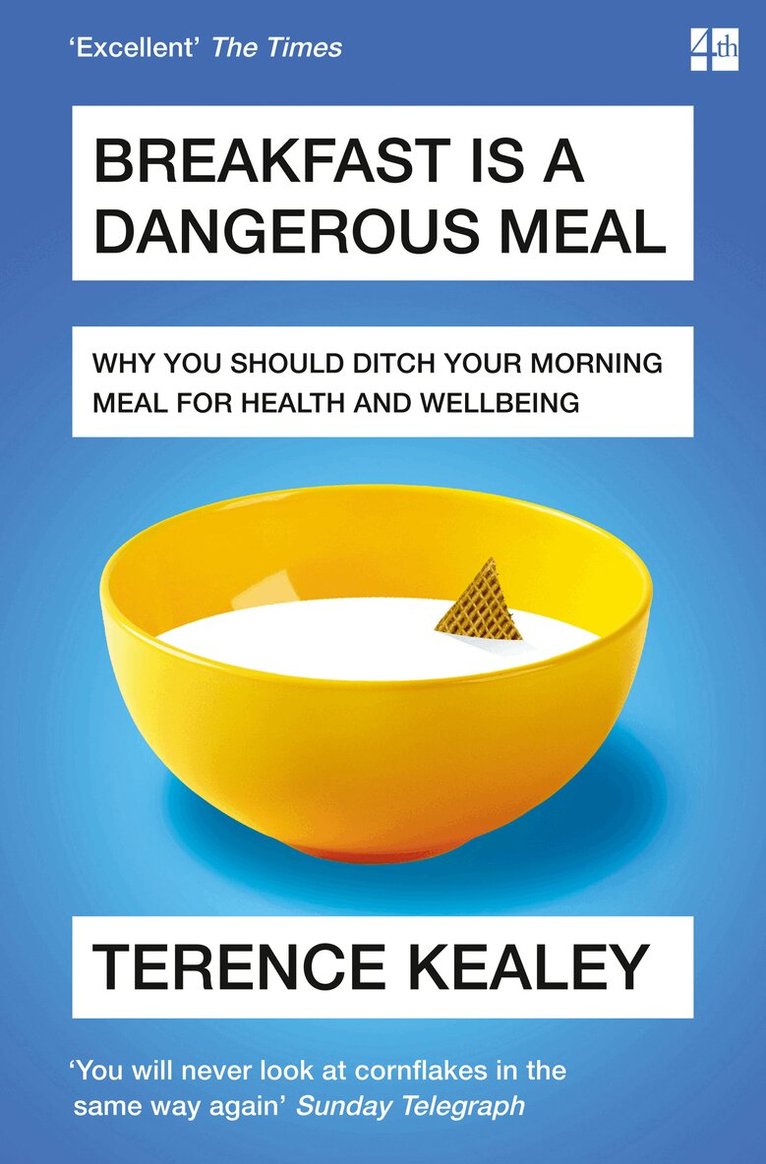
    Breakfast is a Dangerous Meal

    Why You Should Ditch Your Morning Meal for Health and Wellbeing

    AvTerence Kealey

    E-bok
    Engelska, 2016

    93 kr

    Läs direkt i Bokus Reader – eller ladda ned till din enhet

    Fler format och utgåvor

    Ljudbok

    214 kr

    Beskrivning

    Breakfast may be the most important meal of the day, but only if we skip it. Since Victorian times, we have been told to breakfast like kings and dine like paupers. In the wake of his own type 2 diabetes diagnosis, Professor Terence Kealey was given the same advice. He soon noticed that his glucose levels were unusually high after eating first thing in the morning. But if he continued to fast until lunchtime they fell to a normal level. Professor Kealey began to question how much evidence there was to support the advice he’d been given, and whether there might be an advantage for some to not eating breakfast after all.Breakfast is a Dangerous Meal asks: What is the reliable scientific and medical evidence for eating breakfast?Why do people suppose that eating breakfast reduces the total amount of food they consume over the day, when the opposite is true?Who should consider intermittent fasting by removing breakfast from their daily routine?From weight loss to reduced blood pressure, what are the potential benefits of missing breakfast?

    Produktinformation

    • Utgivningsdatum:2016-12-29
    • Språk:Engelska
    • Filformat:EPUB
    • Kopieringsskydd:LCP
    • ISBN:9780008172350
    • Förlag:HarperCollins Publishers

    Utforska kategorier

    • Fysiologi inom Medicin
    • Populärmedicin och hälsa inom Hälsa och familj
    • Diabetes inom Hälsa och familj

    Mer om författaren

    Terence Kealey trained in medicine at Barts Hospital Medical School, University of London ahead of moving to Oxford for a PhD in clinical biochemistry. From Oxford he moved to the University of Newcastle before, via a Wellcome Senior Clinical Research Fellowship, lecturing in clinical biochemistry at Cambridge. Between 2001 and 2014 he was Vice Chancellor of the University of Buckingham, and he is now a visiting scholar at the Center for the Study of Science at the Cato Institute, Washington, DC, where he is focusing on food policy.

    Recensioner i media

    ‘A lively and forensic piece of science writing that manages to be at once polemical and yet thoughtfully engaged with the evidence’ The Times