
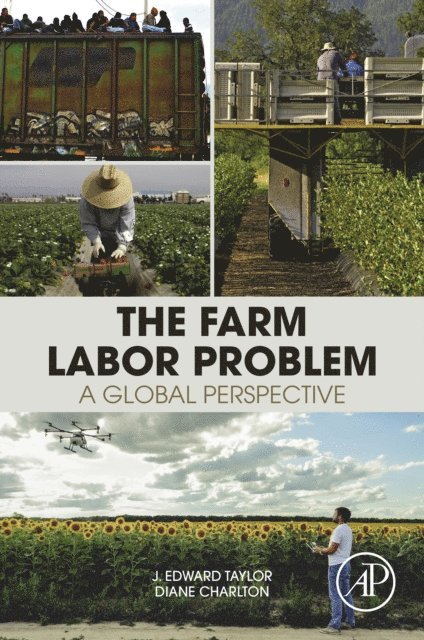
The Farm Labor Problem
A Global Perspective
AvJ. Edward Taylor,Diane Charlton
Häftad, Engelska, 2018
1 237 kr
Beställningsvara. Skickas inom 10-15 vardagar. Fri frakt över 249 kr.
Beskrivning
The Farm Labor Problem: A Global Perspective explores the unique character of agricultural labor markets and the implications for food production, farm worker welfare and advocacy, and immigration policy. Agricultural labor markets differ from other labor markets in fundamental ways related to seasonality and uncertainty, and they evolve differently than other labor markets as economies develop. We weave economic analysis with the history of agricultural labor markets using data and real-world events. The farm labor history of California and the United States is particularly rich, so it plays a central role in the book, but the book has a global perspective ensuring its relevance to Europe and high-income Asian countries.
The chapters in this book provide readers with the basics for understanding how farm labor markets work (labor in agricultural household models, farm labor supply and demand, spatial market equilibria); farm labor and immigration policy; farm labor organizing; farm employment and rural poverty; unionization and the United Farm Workers movement; the Fair Food Program as a new approach to collective bargaining; the declining immigrant farm labor supply; and what economic development in relatively low-income countries portends for the future of agriculture in the United States and other high-income countries. The book concludes with a chapter called "Robots in the Fields," which extrapolates current trends to a perhaps not-so-distant future.
The Farm Labor Problem serves as both a guide to policy makers, farmworker advocates and international development organizations and as a textbook for students of agricultural economics and economics.
- Describes the unique character of agricultural labor markets providing consequential insights
- Contextualizes the economics of agricultural labor with a global perspective
- Examines the history of farm labor, immigration, policy and collective bargaining with a view to the future
Produktinformation
Utforska kategorier
Mer om författaren
Innehållsförteckning
Hoppa över listan
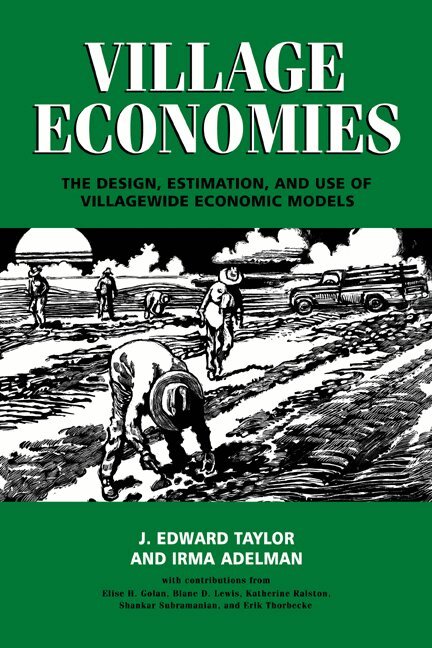
Mer från samma författare
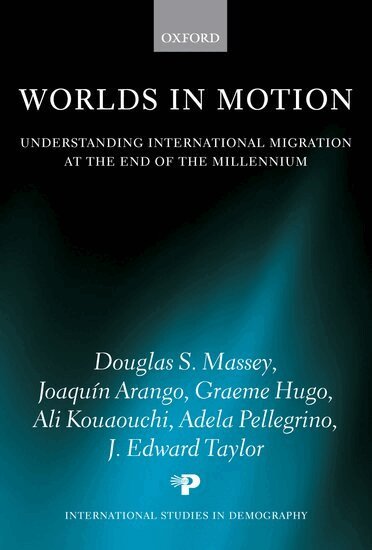
Worlds in Motion
Douglas S. Massey, Joaquin Arango, Graeme Hugo, Ali Kouaouci, Adela Pellegrino, J. Edward Taylor
Inbunden, 1999
3 787 kr
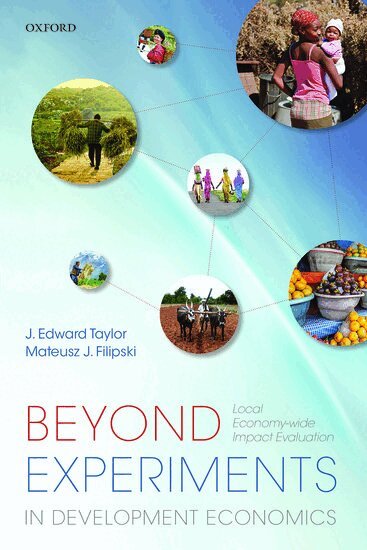
Beyond Experiments in Development Economics
J. Edward Taylor, Mateusz J. Filipski
Inbunden, 2014
2 463 kr
Worlds in Motion
Douglas S. Massey, Joaquin Arango, Graeme Hugo, Ali Kouaouci, Adela Pellegrino, J. Edward Taylor
Häftad, 2005
1 577 kr
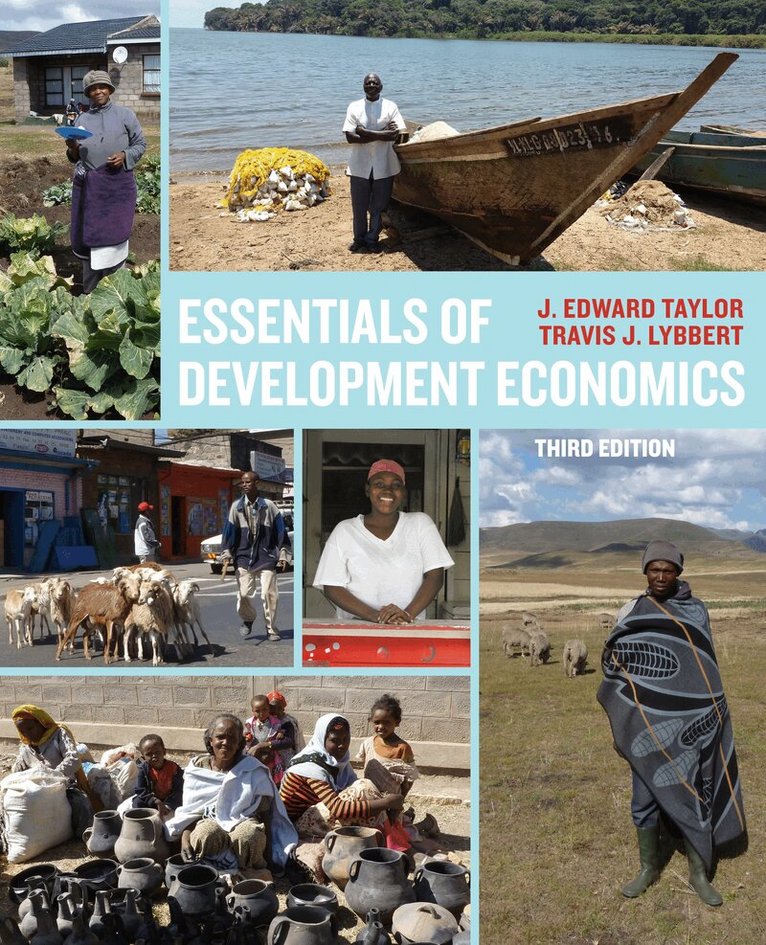
Essentials of Development Economics, Third Edition
J. Edward Taylor, Travis J. Lybbert
Inbunden, 2020
836 kr
Essentials of Development Economics, Third Edition
J. Edward Taylor, Travis J. Lybbert
Häftad, 2020
443 kr
Hoppa över listan
Du kanske också är intresserad av

Worlds in Motion
Douglas S. Massey, Joaquin Arango, Graeme Hugo, Ali Kouaouci, Adela Pellegrino, J. Edward Taylor
Häftad, 2005
1 577 kr
Worlds in Motion
Douglas S. Massey, Joaquin Arango, Graeme Hugo, Ali Kouaouci, Adela Pellegrino, J. Edward Taylor
Inbunden, 1999
3 787 kr