
Where Metaphors Come From
Reconsidering Context in Metaphor
Häftad, Engelska, 2017
664 kr
Beställningsvara. Skickas inom 3-6 vardagar. Fri frakt över 249 kr.
Fler format och utgåvor
Beskrivning
In Where Metaphors Come From, Zoltán Kövecses proposes a metaphorical grounding that augments and refines conceptual metaphor theory according to which conceptual metaphors are based on our bodily experience. While this is certainly true in many cases of metaphor, the role of the body in metaphor creation can and should be reinterpreted, and, consequently, the body can be seen as just one of the several contexts from which metaphors can emerge (including the situational, discourse, and conceptual-cognitive contexts) - although perhaps the dominant or crucial one.Kövecses is a leader in CMT, and his argument in this book is more in line with what has been discovered about the nature of human cognition in recent years; namely, that human cognition is grounded in experience in multiple ways - embodiment, in a strict sense, being just one of them (see Barsalou, 2008; Gibbs, 2006; Pecher and Zwaan, 2005). In light of the present work, this is because cognition, including metaphorical cognition, is grounded in not only the body, but also in the situations in which people act and lead their lives, the discourses in which they are engaged at any time in communicating and interacting with each other, and the conceptual knowledge they have accumulated about the world in the course of their experience of it.
Produktinformation
Utforska kategorier
Mer om författaren
Recensioner i media
Innehållsförteckning
Hoppa över listan


Mer från samma författare
Metaphors of ANGER across Languages: Universality and Variation
Zoltan Kövecses, Réka Benczes, Veronika Szelid
Inbunden, 2024
5 987 kr
Metaphors of ANGER across Languages: Universality and Variation
Zoltan Kövecses, Réka Benczes, Veronika Szelid
Inbunden, 2024
5 546 kr
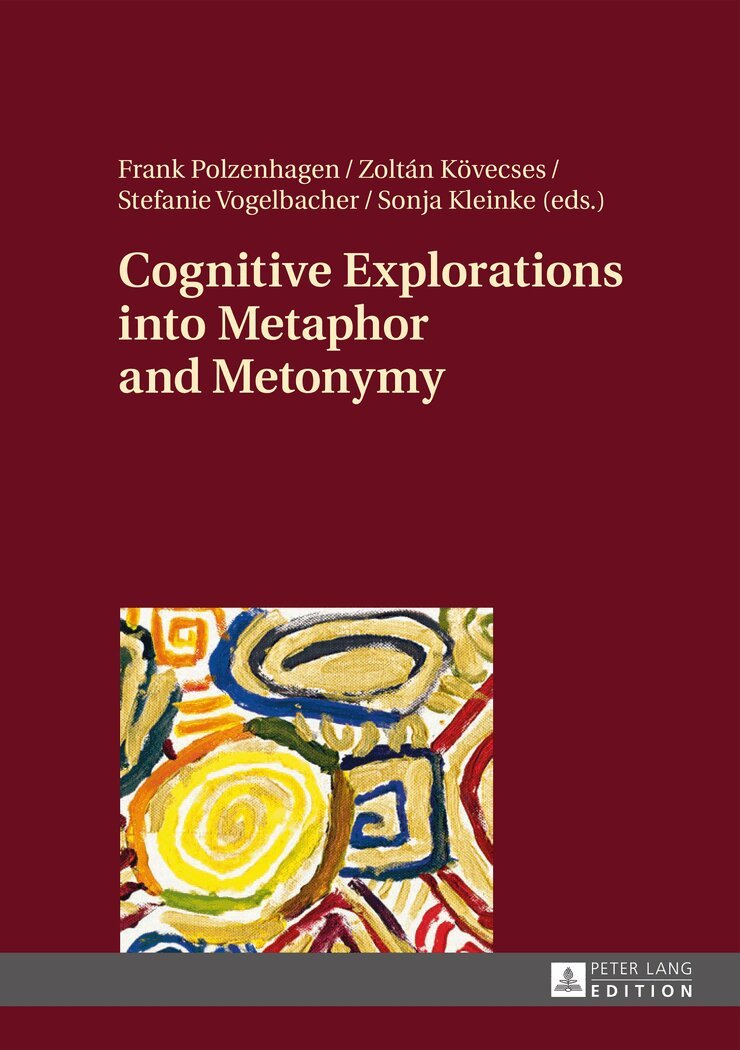
Cognitive Explorations into Metaphor and Metonymy
Frank Polzenhagen, Zoltan Kövecses, Stefanie Vogelbacher, Sonja Kleinke
Inbunden, 2014
1 013 kr
Hoppa över listan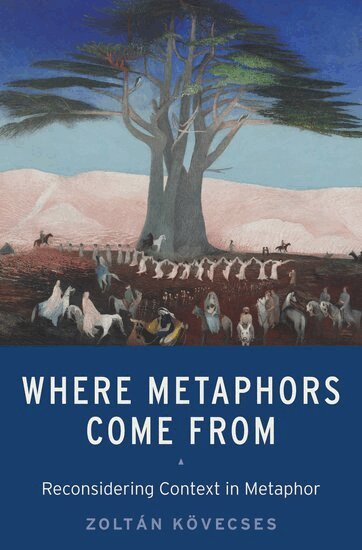




Du kanske också är intresserad av
Cognitive Explorations into Metaphor and Metonymy
Frank Polzenhagen, Zoltan Kövecses, Stefanie Vogelbacher, Sonja Kleinke
Inbunden, 2014
1 013 kr
Metaphors of ANGER across Languages: Universality and Variation
Zoltan Kövecses, Réka Benczes, Veronika Szelid
Inbunden, 2024
5 987 kr
Metaphors of ANGER across Languages: Universality and Variation
Zoltan Kövecses, Réka Benczes, Veronika Szelid
Inbunden, 2024
5 546 kr
- Signerad!
Del 3
- Nyhet
Del 11
- -12%
- Nyhet