

Magnitude 9
What We Can Learn from the World's Greatest Earthquakes
Inbunden, Engelska, 2027
411 kr
Kommande
Beskrivning
While the largest of all earthquakes, magnitude 9s (M9s), may happen about five times each century, they release more energy than all other earthquakes combined, and the impacts can be global.Two huge earthquakes beneath Alaska and southern Chile in the early 1960s overwhelmed the capacity of the standard Richter magnitude scale used to determine their size. In the 1970s a leading Japanese seismologist, Hiroo Kanamori, created a more robust moment magnitude measure in which both earthquakes were beyond magnitude 9. Meanwhile, more giant earthquakes were emerging. In the 1980s, geologist Brian Atwater linked coastal subsidence in Washington State with a January 1700 'orphan tsunami' in Japan. Robert Muir-Wood explores how Kanamori's theory failed to foresee the December 26th, 2004, Indian Ocean Magnitude 9.2 earthquake and tsunami, which drowned 200,000. Another gigantic earthquake hit Japan in March 2011 while the leading seismologists were gathered for a conference at a brand-new science facility outside Tokyo. They learned in real-time the limits of their theories. What did this mean for the hazard at other comparable plate boundary coastlines in Hokkaido, Crete, or Peru? And how could governments relearn to trust seismologists who had misunderstood something so critical as maximum magnitude? Magnitude 9 tells story of tectonic science and investigative geography of some of the most energetic and deadly catastrophes on Earth. Tracing the men and women who explored for clues and revealed the workings of these catastrophes, each chapter pursues a single event or geographic cluster of M9s to reveal a different facet of their origin.
Produktinformation
Utforska kategorier
Mer om författaren
Innehållsförteckning
Hoppa över listan
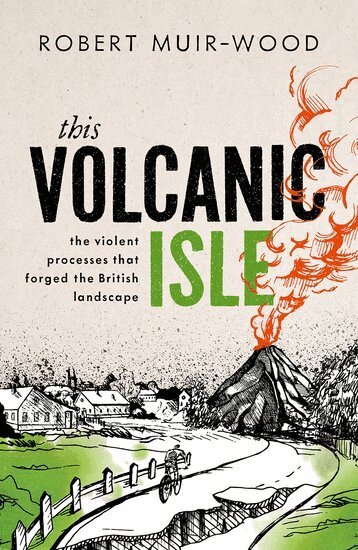
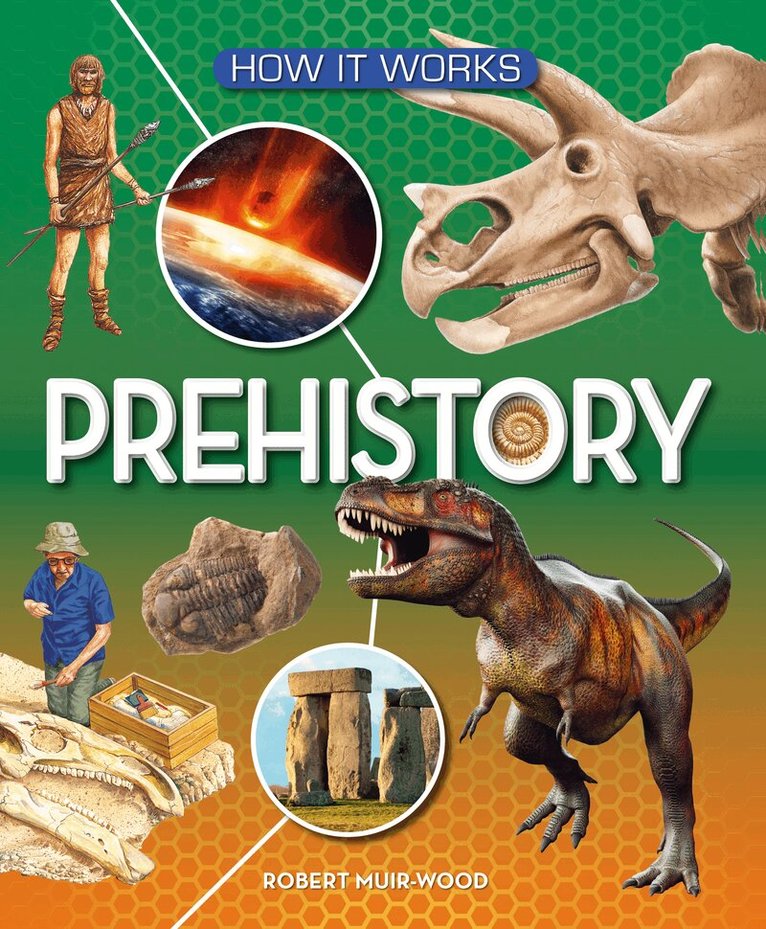


Mer från samma författare
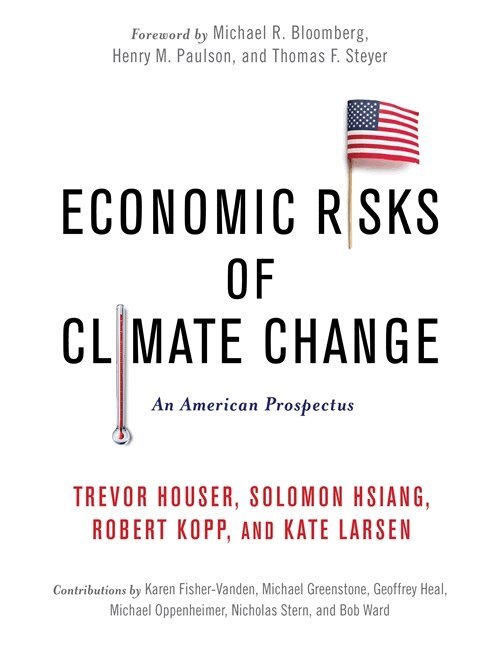
Economic Risks of Climate Change
Trevor Houser, Solomon Hsiang, Robert Kopp, Kate Larsen, Michael Delgado, Amir Jina, Michael Mastrandrea, Shashank Mohan, Robert Muir-Wood, D. J. Rasmussen, James Rising, Paul Wilson
Inbunden, 2015
806 kr
Del 10
Hoppa över listan






Du kanske också är intresserad av
- 10% rabatt på allt
Del 10
From Polanyi to Graeber: Rethinking Debt, Money, and the Human Economy
Gareth Dale, Yutaka Sakuma
Inbunden, 2027
414 kr