
Kierkegaard's Existential Philosophy
How to Lead a Meaningful Life
Inbunden, Engelska, 2027
331 kr
Kommande
Beskrivning
Søren Kierkegaard (1813-1855) authored an extraordinarily diverse body of work that addresses some of the most pressing questions of human existence. Kierkegaard's Existential Philosophy positions these writings within a unified interpretive framework, arguing for Kierkegaard's status as a foundational figure in the existential tradition. Against the dominance of systematic abstraction, Kierkegaard developed a mode of thought oriented toward lived experience and personal engagement. His frequent appeals to figures from classical antiquity underscore his conviction that philosophy ought to be practiced by passionate existing thinkers, rather than detached theoretical observers.Central to this interpretive account is Kierkegaard's challenge to restrictive conceptions of rationality. His sustained emphasis on emotion as a condition of understanding constitutes a deliberate revolt against purely intellectualist models of knowledge. These affective dimensions of existence are not, for Kierkegaard, barriers to understanding. On the contrary, they are necessary conditions for genuine insight. Love, emotion, and passionate commitment shape how we come to know ourselves and the world, meaning that they cannot be separated from the search for truth. Consequently, this study resists readings that divide Kierkegaard's work into two separate projects---an epistemological critique of modern philosophy on the one hand, and a moral and spiritual assessment of flawed ways of living on the other. Instead, it argues that questions of knowledge and questions of how to live are fundamentally intertwined.Kierkegaard's Existential Philosophy offers a comprehensive interpretation of the philosopher's pseudonymous and signed works, maintaining that the ultimate test of its interpretive framework lies in its credibility when measured against readers' own lived experience.
Produktinformation
Mer om författaren
Recensioner i media
Hoppa över listan



Du kanske också är intresserad av
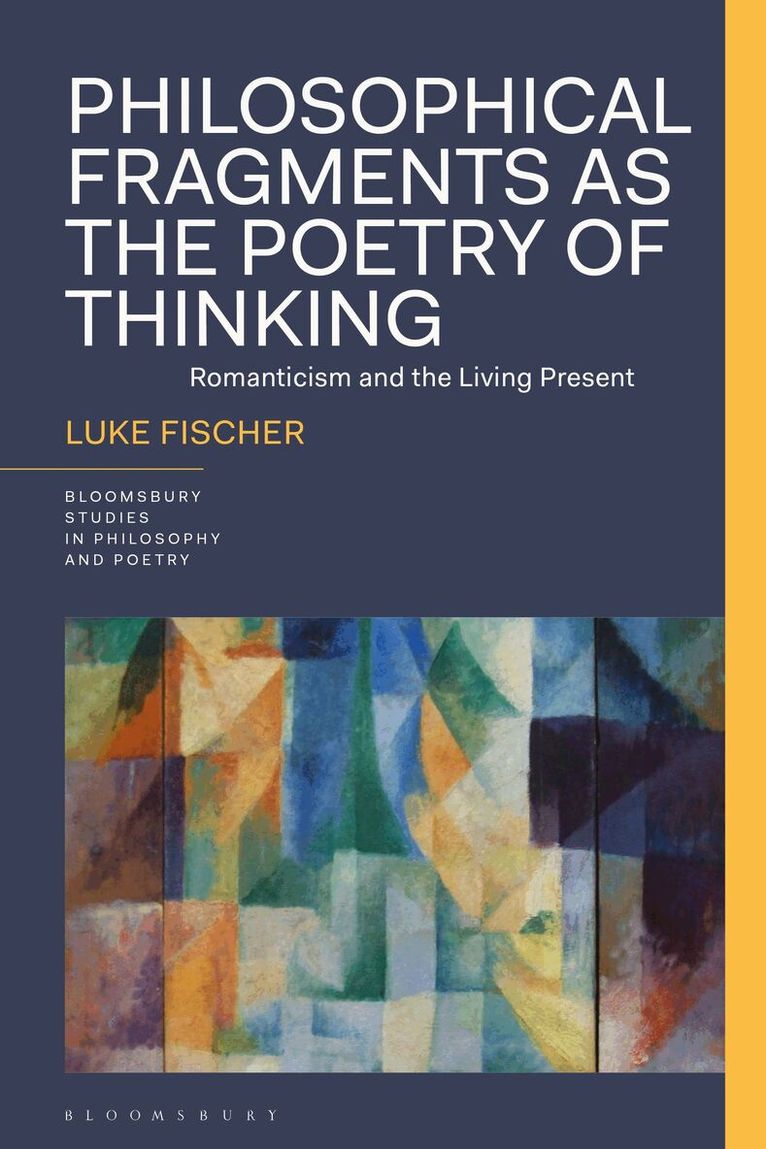
Philosophical Fragments as the Poetry of Thinking
Luke Fischer, James D. Reid, James D Reid, Rick Anthony Furtak
Häftad, 2026
409 kr
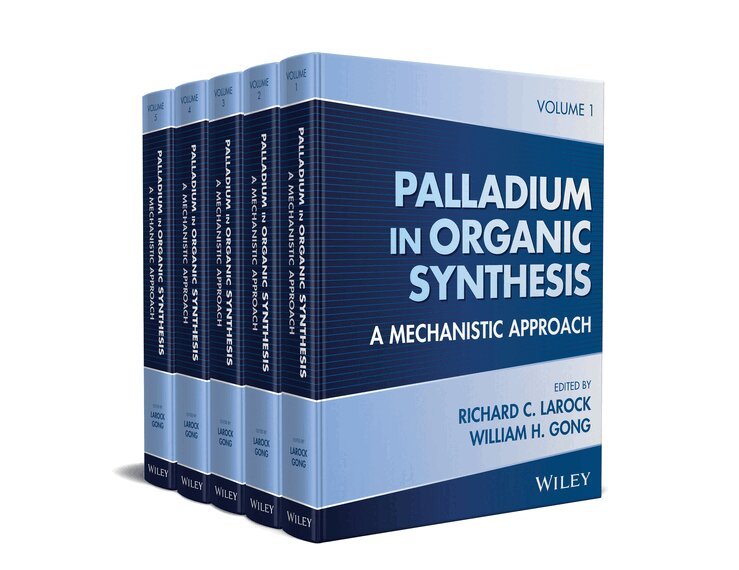
Palladium in Organic Synthesis, 5 Volume Set
Ames) Larock, Richard C. (Iowa State University, William H. Gong, Richard C. Larock, William H. Gong
Inbunden, 2027
1 277 kr
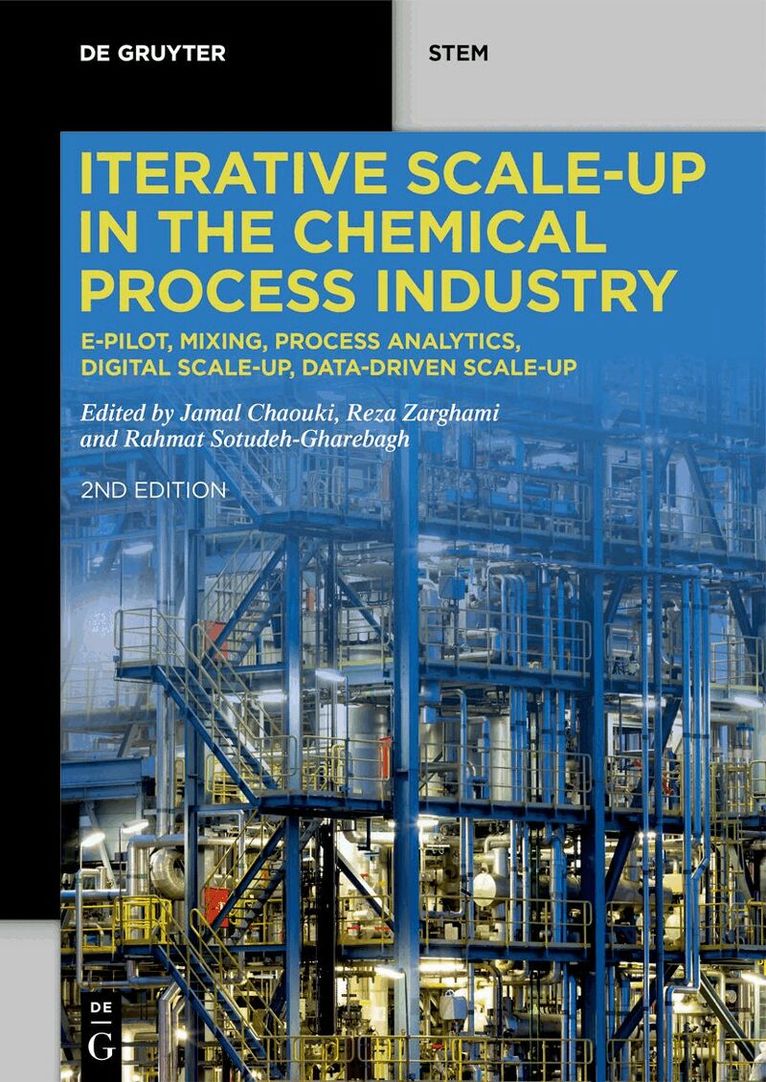
Iterative Scale-Up in the Chemical Process Industry
Jamal Chaouki, Reza Zarghami, Rahmat Sotudeh-Gharebagh
Häftad, 2027
1 146 kr
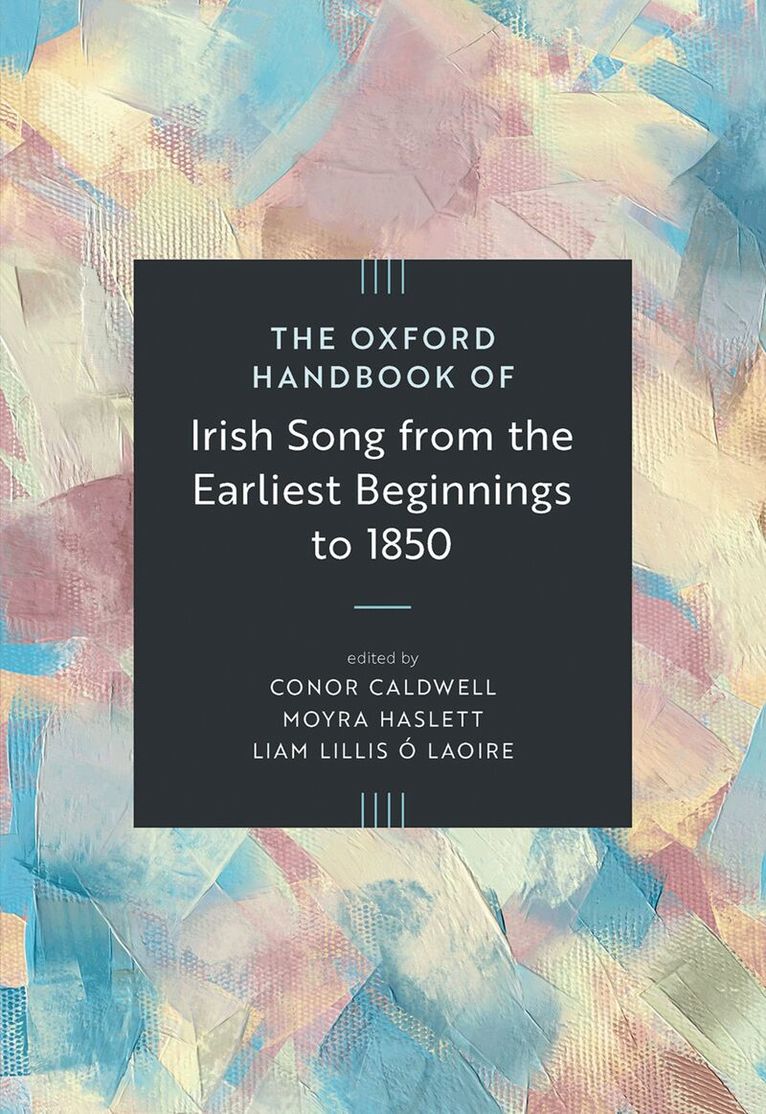
The Oxford Handbook of Irish Song from the Earliest Beginnings to 1850
Moyra Haslett, Conor Caldwell, Lillis Ó Laoire
Inbunden, 2027
2 495 kr