• Fri frakt över 249 kr
  • •
  • Snabba leveranser
  • •
  • Billiga böcker
Kundservice

Du är på sajten för privatpersoner.

Företag, bibliotek eller offentlig verksamhet?

Du handlar på classic.bokus.com, där alla dina funktioner finns intakta.
Till classic.bokus.com
Bokus logotyp. Gå till startsidan.
  • Erbjudanden
  • Nyheter
  • Student
  • Topplistor
  • Barn & ungdom
  • Bokus Play
  • E-böcker
  • Pocketböcker
  • Spel & pussel

10% studentrabatt med kod TERM26

Sidfot

Mina sidor

    Hjälp

    • Kundservice
    • Vanliga frågor och svar
    • Frakt och leverans
    • Retur vid ångerrätt
    • Reklamera vara
    • Betalning
    • Köpvillkor
    • Allmänna villkor
    • Information om webbplatsens tillgänglighet

    Om Bokus

    • Om oss
    • Pressrum
    • För studenter
    • För företag
    • För bibliotek och offentlig verksamhet
    • För leverantörer
    • Hållbarhet

    Populärt

    • Aktuella erbjudanden
    • Presentkort
    • Studentlitteratur
    • Nya böcker
    • Topplistor
    • Signerade böcker
    • Engelska böcker

    Inspiration

    • Boktips
    • BookTok
    • Populära bokserier
    • Barnbokskaraktärer
    • Populära författare
    Logotyp för Bokus
    Följ oss på Facebook (extern länk)Följ oss på Instagram (extern länk)Följ oss på YouTube (extern länk)Följ oss på TikTok (extern länk)
    bokus @ CookiesAnpassa cookiesIntegritetspolicyKöpvillkor
    Till Citymail hemsida (extern länk)Till Budbee hemsida (extern länk)Till Postnord hemsida (extern länk)Till Schenker hemsida (extern länk)Till Early Bird hemsida (extern länk)Till Walleys hemsida (extern länk)
    1. Historia och arkeologi
    2. Historia
    3. Europas historia

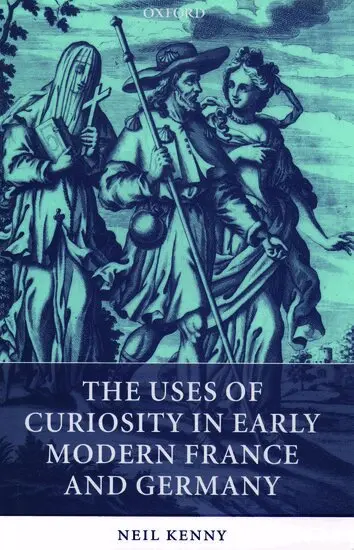
    The Uses of Curiosity in Early Modern France and Germany

    AvNeil Kenny

    Inbunden, Engelska, 2004

    1 548 kr

    Beställningsvara. Skickas inom 7-10 vardagar. Fri frakt över 249 kr.

    Beskrivning

    Why did people argue about curiosity in France, Germany, and elsewhere in Europe between the sixteenth and the eighteenth centuries, so much more than today? Why was curiosity a fashionable topic in early modern conduct manuals, university dissertations, scientific treatises, sermons, newspapers, novellas, plays, operas, ballets, poems, from Corneille to Diderot, from Johann Valentin Andreae to Gottlieb Spizel? Universities, churches, and other institutions invoked curiosity in order to regulate knowledge or behaviour, to establish who should try to know or do what, and under what circumstances. As well as investigating a crucial episode in the history of knowledge, this study makes a distinctive contribution to historiographical debates about the nature of 'concepts'. Curiosity was constantly reshaped by the uses of it. And yet, strangely, however much people contested what curiosity was, they often agreed that what they were disagreeing about was one and the same thing.

    Produktinformation

    • Utgivningsdatum:2004-07-08
    • Mått:146 x 224 x 31 mm
    • Vikt:683 g
    • Format:Inbunden
    • Språk:Engelska
    • Antal sidor:500
    • Förlag:OUP OXFORD
    • ISBN:9780199271368

    Utforska kategorier

    • Europas historia inom Historia och arkeologi
    • Litteraturvetenskap inom Skönlitteratur

    Recensioner i media

    ...challenging and provocative

    Innehållsförteckning

    • INTRODUCTION ; PART 1 ; Institutions: University ; PART 2 ; Institutions: Church ; PART 3 ; Institutions: The Culture of Curiosities ; Discursive Tendencies: Collecting ; PART 4 ; Discursive Tendencies: Narrating ; Sexes: Male ; PART 5 ; Discursive Tendencies: Narrating ; Sexes: Female