Inbunden, Engelska, 2022
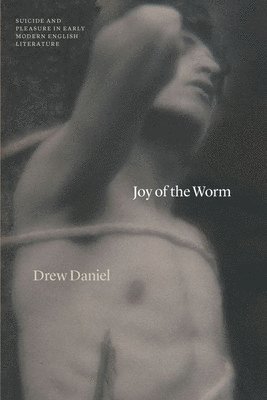
Joy of the Worm
Suicide and Pleasure in Early Modern English Literature
Av Drew Daniel
Del i serien Thinking Literature
1212 kr
Beställningsvara. Skickas inom 7-10 vardagar. Fri frakt över 249 kr.
Beskrivning
Produktinformation
- Utgivningsdatum: 2022-06-14
- Mått: 152 x 229 x 23 mm
- Vikt: 513 g
- Format: Inbunden
- Språk: Engelska
- Serie: Thinking Literature
- Antal sidor: 288
- Förlag: The University of Chicago Press
- ISBN: 9780226816494
Utforska kategorier
Mer om författaren
Drew Daniel is associate professor of English at Johns Hopkins University. He is the author of Twenty Jazz Funk Greats and The Melancholy Assemblage: Affect and Epistemology of the English Renaissance.
Recensioner i media
“The lucidity of Daniel’s razor-sharp prose is surpassed only by the boldness and sensitivity of his thought. Joy of the Worm resists the easy logic of secularization, whereby classical valorization and Christian condemnation of self-killing sequentially give way to a modern understanding of suicide as a cry for help. Instead, Daniel attunes us to materialist understandings and aesthetic representations of self-destruction in which cruelty and tenderness, sorrow and mirth, ugliness and beauty mingle conceptually and tonally. Daniel’s meticulous and humane readings attune us to a complex affective and social landscape surrounding suicide.”
Betyg & recensioner
0 recensioner
Inga recensioner tillgängliga.