• Fri frakt över 249 kr
  • •
  • Snabba leveranser
  • •
  • Billiga böcker
Kundservice

Du är på sajten för privatpersoner.

Företag, bibliotek eller offentlig verksamhet?

Du handlar på classic.bokus.com, där alla dina funktioner finns intakta.
Till classic.bokus.com
Bokus logotyp. Gå till startsidan.
  • Erbjudanden
  • Nyheter
  • Student
  • Topplistor
  • Barn & ungdom
  • Bokus Play
  • E-böcker
  • Pocketböcker
  • Spel & pussel

10% rabatt på allt med kod: NYSTART10 →

Sidfot

Mina sidor

    Hjälp

    • Kundservice
    • Vanliga frågor och svar
    • Frakt och leverans
    • Retur vid ångerrätt
    • Reklamera vara
    • Betalning
    • Köpvillkor
    • Allmänna villkor
    • Information om webbplatsens tillgänglighet

    Om Bokus

    • Om oss
    • Pressrum
    • För studenter
    • För företag
    • För bibliotek och offentlig verksamhet
    • För leverantörer
    • Hållbarhet

    Populärt

    • Aktuella erbjudanden
    • Presentkort
    • Studentlitteratur
    • Nya böcker
    • Topplistor
    • Signerade böcker
    • Engelska böcker

    Inspiration

    • Boktips
    • BookTok
    • Populära bokserier
    • Barnbokskaraktärer
    • Populära författare
    Logotyp för Bokus
    Följ oss på Facebook (extern länk)Följ oss på Instagram (extern länk)Följ oss på YouTube (extern länk)Följ oss på TikTok (extern länk)
    bokus @ CookiesAnpassa cookiesIntegritetspolicyKöpvillkor
    Till Citymail hemsida (extern länk)Till Budbee hemsida (extern länk)Till Postnord hemsida (extern länk)Till Schenker hemsida (extern länk)Till Early Bird hemsida (extern länk)Till Walleys hemsida (extern länk)
    1. Kultur
    2. Konstböcker
    3. Konstformer
    4. Konst: teman och motiv

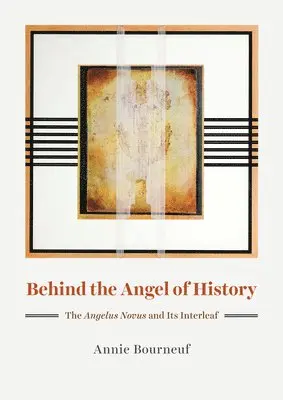
    Behind the Angel of History

    The "Angelus Novus" and Its Interleaf

    AvAnnie Bourneuf

    Inbunden, Engelska, 2022

    343 kr

    Beställningsvara. Skickas inom 5-8 vardagar. Fri frakt över 249 kr.

    Fler format och utgåvor

    E-bok

    675 kr

    Beskrivning

    The story of artist R. H. Quaytman’s discovery of an engraving hidden behind a famous artwork by Paul Klee.  This book begins with artist R. H. Quaytman uncovering something startling about a picture by Paul Klee. Pasted beneath Klee’s 1920 Angelus Novus—famous for its role in the writings of its first owner, Walter Benjamin—Quaytman found that Klee had interleaved a nineteenth-century engraving of Martin Luther, leaving just enough visible to provoke questions.  Behind the Angel of History reveals why this hidden face matters, delving into the intertwined artistic, political, and theological issues consuming Germany in the wake of the Great War. With the Angelus Novus, Klee responded to a growing call for a new religious art. For Benjamin, Klee’s Angelus became bound up with the prospect of meaningful dialogue among religions in Germany.  Reflecting on Klee’s, Benjamin’s, and Quaytman’s strategies of superimposing conflicting images, Annie Bourneuf reveals new dimensions of complexity in this iconic work and the writing it inspired.

    Produktinformation

    • Utgivningsdatum:2022-09-24
    • Mått:178 x 254 x 20 mm
    • Vikt:739 g
    • Format:Inbunden
    • Språk:Engelska
    • Antal sidor:176
    • Förlag:The University of Chicago Press
    • ISBN:9780226816708

    Utforska kategorier

    • Konst: teman och motiv inom Kultur

    Mer om författaren

    Annie Bourneuf is professor of art history at the School of the Art Institute of Chicago. She is the author of Paul Klee: The Visible and the Legible, which was also published by the University of Chicago Press and won the 2016 Robert Motherwell Book Award.

    Recensioner i media

    "Bourneuf’s magisterial, amazingly lucid commentary discusses Matthias Grünewald, whose Isenheim Altarpiece in Colmar, France, contains a figure resembling this angel. She also addresses debates between Benjamin and Scholem about Martin Buber’s philosophy, and the larger implications of Benjamin’s and Scholem’s questions about Jewish cultural identity."

    Innehållsförteckning

    • Chapter 1: 2015Chapter 2: 1920Chapter 3: 1922EpilogueAcknowledgmentsNotesIndex