• Fri frakt över 249 kr
  • •
  • Snabba leveranser
  • •
  • Billiga böcker
Kundservice

Du är på sajten för privatpersoner.

Företag, bibliotek eller offentlig verksamhet?

Du handlar på classic.bokus.com, där alla dina funktioner finns intakta.
Till classic.bokus.com
Bokus logotyp. Gå till startsidan.
  • Erbjudanden
  • Nyheter
  • Student
  • Topplistor
  • Barn & ungdom
  • Bokus Play
  • E-böcker
  • Pocketböcker
  • Spel & pussel

10% rabatt på allt med kod: NYSTART10 →

Sidfot

Mina sidor

    Hjälp

    • Kundservice
    • Vanliga frågor och svar
    • Frakt och leverans
    • Retur vid ångerrätt
    • Reklamera vara
    • Betalning
    • Köpvillkor
    • Allmänna villkor
    • Information om webbplatsens tillgänglighet

    Om Bokus

    • Om oss
    • Pressrum
    • För studenter
    • För företag
    • För bibliotek och offentlig verksamhet
    • För leverantörer
    • Hållbarhet

    Populärt

    • Aktuella erbjudanden
    • Presentkort
    • Studentlitteratur
    • Nya böcker
    • Topplistor
    • Signerade böcker
    • Engelska böcker

    Inspiration

    • Boktips
    • BookTok
    • Populära bokserier
    • Barnbokskaraktärer
    • Populära författare
    Logotyp för Bokus
    Följ oss på Facebook (extern länk)Följ oss på Instagram (extern länk)Följ oss på YouTube (extern länk)Följ oss på TikTok (extern länk)
    bokus @ CookiesAnpassa cookiesIntegritetspolicyKöpvillkor
    Till Citymail hemsida (extern länk)Till Budbee hemsida (extern länk)Till Postnord hemsida (extern länk)Till Schenker hemsida (extern länk)Till Early Bird hemsida (extern länk)Till Walleys hemsida (extern länk)
    1. Kultur
    2. Scenkonst och film
    3. Film

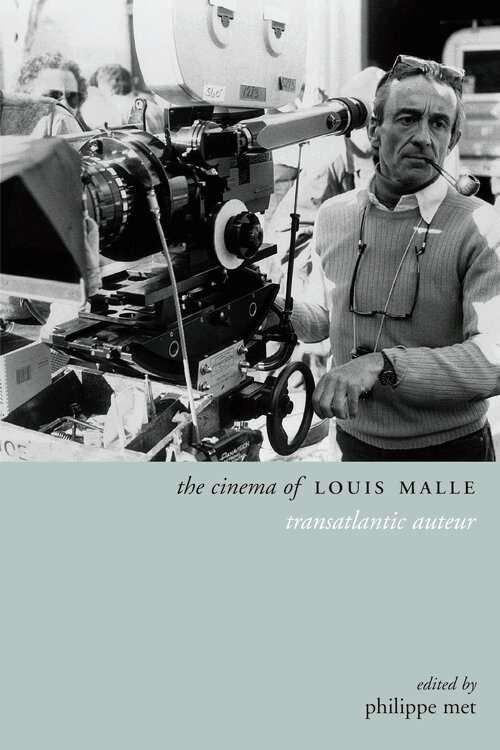
    Cinema of Louis Malle

    Transatlantic Auteur

    AvPhilippe Met

    Inbunden, Engelska, 2018

    Del i serien Directors' Cuts

    916 kr

    Beställningsvara. Skickas inom 5-8 vardagar. Fri frakt över 249 kr.

    Beskrivning

    Arguably a pioneer of the French New Wave (with Ascenseur pour l’échafaud, 1957) Louis Malle went on to enjoy an acclaimed yet provocative and versatile transatlantic career. This collection of original essays proposes to reassess his richly eclectic and boldly subversive oeuvre and redress the surprising critical neglect it has suffered over the years. It does so through a combination of transversal and monographic analyses that use a variety of critical lenses and theoretical tools in order to examine Malle’s documentaries as well as his fiction features (and, more importantly, the constant shuttling and uniquely persistent cross-pollination between those two cinematic approaches), illuminate the profound, lasting dialogue his films entertained with literature and theater, bring to the fore their sustained, albeit often oblique autobiographical thrust along with their scathing sociopolitical critique, and scrutinize the alternating use of stars and non-professional actors.In addition, the volume features an exclusive interview with the acclaimed playwright John Guare (a close friend and collaborator of Louis Malle’s who scripted Atlantic City) and is bookended by a foreword by Volker Schlöndorff and an afterword by Wes Anderson, two renowned filmmakers who articulate their admiration for, and the seminal influence of, their predecessor.

    Produktinformation

    • Utgivningsdatum:2018-09-11
    • Mått:152 x 229 x 22 mm
    • Vikt:674 g
    • Format:Inbunden
    • Språk:Engelska
    • Serie:Directors' Cuts
    • Antal sidor:272
    • Förlag:Columbia University Press
    • ISBN:9780231188708

    Utforska kategorier

    • Film inom Kultur

    Mer om författaren

    Philippe Met is professor of French and cinema studies at the University of Pennsylvania. He has authored and edited several books on literature or film, and is the coeditor of Screening the Paris Suburbs: From the Silent Era to the 1990s (2017).

    Recensioner i media

    In sum, this volume is as generous to film enthusiasts just coming to Malle’s work as it is to seasoned scholars. Critics and scholars will find a wealth of new biographical and critical detail, as well as new primary sources and an excellent introduction to the current state of debates on Malle and his legacy. Newcomers will gain insight into the wide-ranging talents and interests of this bicultural, bilingual director who successfully navigated the film industries in France and the United States.

    Innehållsförteckning

    • AcknowledgementsNotes on ContributorsForeword, by Volker SchlöndorffIntroduction, by Philippe MetTransversal Studies1. Malle Before Malle, by Guillaume Soulez2. The Art of Silence: From Documentary to Fiction, by Caroline Eades3. No Comment: Direct Cinema in Humain, trop humain and Place de la République, by Derek Schilling4. Louis Malle’s Nonfiction: Tradition, Rebellion and Authorial Voice, by Alan Williams5. Louis Malle’s 1960s ‘Star’ Films, by Sue Harris6. Experimentation and Automation in Zazie dans le métro and Black Moon, by Ian Fleishman7. Louis Malle and ‘His’ Writers (Drieu La Rochelle, Nimier, Modiano) , by Michel Ciment8. A Gendered Geography of Death: Louis Malle’s Orphic Voyage, by T. Jefferson Kline9. The Figure of the Mother in May Fools, Au revoir les enfants and Murmur of the Heart, by Justine Malle10. Jazz as Counterpoint in Elevator to the Gallows, Murmur of the Heart and Pretty Baby, by Jean-Louis PautrotMonographic Essays11. The Fire Within: Touching, by Elisabeth Cardonne-Arlyck12. Le Voleur: (Self-)Portrait of the Filmmaker as a Thief, by Philippe Met13. Absorbtion and Reflectivity in Phantom India, by Ludovic Cortade14. Fog of War: Lacombe Lucien and Its Afterlives, by Steven Ungar15. Memory, Friendship and History in Au revoir les enfants, by Sandy Flitterman-Lewis16. Atlantic City: When Sound Meets Utopia, by Francesca Cinelli17. Between Conversation and Conversion: My Dinner with André, by Tom Conley18. Vanya on 42nd Street: Inventing a Space of Creation, by Sébastien RongierInterviewTruth and Poetry: An Interview with John Guare, by Philippe MetVaria (previously unpublished material)Notes for a Lecture on the Queen Elizabeth 2, by Louis Malle‘The Loner’: Treatment suggested by H. James’ What Maisie Knew, by Louis Malle (with introduction by Philippe Met)Afterword, by Wes AndersonFilmographyIndex