• Fri frakt över 249 kr
  • •
  • Snabba leveranser
  • •
  • Billiga böcker
Kundservice

Du är på sajten för privatpersoner.

Företag, bibliotek eller offentlig verksamhet?

Du handlar på classic.bokus.com, där alla dina funktioner finns intakta.
Till classic.bokus.com
Bokus logotyp. Gå till startsidan.
  • Erbjudanden
  • Nyheter
  • Student
  • Topplistor
  • Barn & ungdom
  • Bokus Play
  • E-böcker
  • Pocketböcker
  • Spel & pussel

10% rabatt på allt med kod NYSTART10 →

Sidfot

Mina sidor

    Hjälp

    • Kundservice
    • Vanliga frågor och svar
    • Frakt och leverans
    • Retur vid ångerrätt
    • Reklamera vara
    • Betalning
    • Köpvillkor
    • Allmänna villkor
    • Information om webbplatsens tillgänglighet

    Om Bokus

    • Om oss
    • Pressrum
    • För studenter
    • För företag
    • För bibliotek och offentlig verksamhet
    • För leverantörer
    • Hållbarhet

    Populärt

    • Aktuella erbjudanden
    • Presentkort
    • Studentlitteratur
    • Nya böcker
    • Topplistor
    • Signerade böcker
    • Engelska böcker

    Inspiration

    • Boktips
    • BookTok
    • Populära bokserier
    • Barnbokskaraktärer
    • Populära författare
    Logotyp för Bokus
    Följ oss på Facebook (extern länk)Följ oss på Instagram (extern länk)Följ oss på YouTube (extern länk)Följ oss på TikTok (extern länk)
    bokus @ CookiesAnpassa cookiesIntegritetspolicyKöpvillkor
    Till Citymail hemsida (extern länk)Till Budbee hemsida (extern länk)Till Postnord hemsida (extern länk)Till Schenker hemsida (extern länk)Till Early Bird hemsida (extern länk)Till Walleys hemsida (extern länk)
    1. Skönlitteratur
    2. Litteraturvetenskap

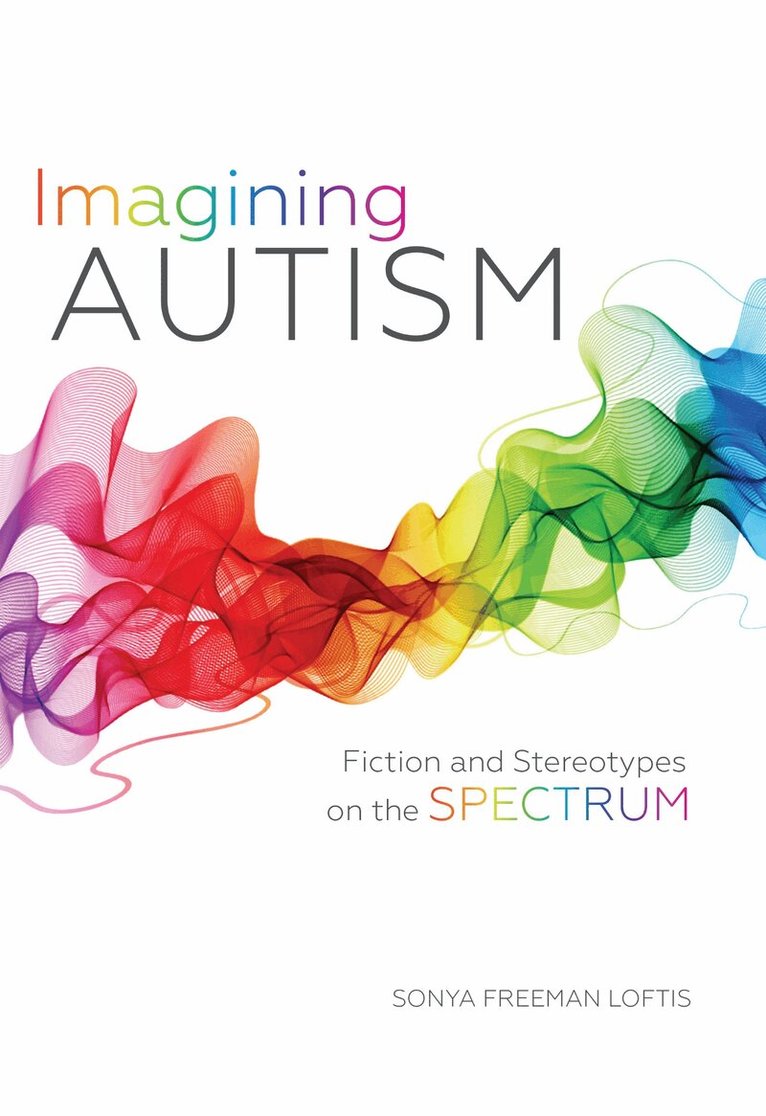
    Imagining Autism

    Fiction and Stereotypes on the Spectrum

    AvSonya Freeman Loftis

    E-bok
    Engelska, 2015

    108 kr

    Läs direkt i Bokus Reader – eller ladda ned till din enhet

    Fler format och utgåvor

    Inbunden

    200 kr

    Beskrivning

    A disorder that is only just beginning to find a place in disability studies and activism, autism remains in large part a mystery, giving rise to both fear and fascination. Sonya Freeman Loftis's groundbreaking study examines literary representations of autism or autistic behavior to discover what impact they have had on cultural stereotypes, autistic culture, and the identity politics of autism. Imagining Autism looks at fictional characters (and an author or two) widely understood as autistic, ranging from Conan Doyle's Sherlock Holmes and Harper Lee's Boo Radley to Mark Haddon's boy detective Christopher Boone and Steig Larsson's Lisbeth Salander. The silent figure trapped inside himself, the savant made famous by his other-worldly intellect, the brilliant detective linked to the criminal mastermind by their common neurology—these characters become protean symbols, stand-ins for the chaotic forces of inspiration, contagion, and disorder. They are also part of the imagined lives of the autistic, argues Loftis, sometimes for good, sometimes threatening to undermine self-identity and the activism of the autistic community.

    Produktinformation

    • Utgivningsdatum:2015-12-01
    • Språk:Engelska
    • Antal sidor:208
    • Filformat:EPUB
    • Kopieringsskydd:LCP
    • ISBN:9780253018137
    • Förlag:Indiana University Press
    • Dimensioner:152 x 229 x undefined mm

    Utforska kategorier

    • Litteraturvetenskap inom Skönlitteratur
    • Sociala och etiska frågor inom Samhälle och politik

    Mer om författaren

    Sonya Freeman Loftis is Assistant Professor of English at Morehouse College, where she specializes in Shakespeare and disability studies. Her work has appeared in Disability Studies Quarterly, Shakespeare Bulletin, SHAW: The Annual of Bernard Shaw Studies, and South Atlantic Review.

    Recensioner i media

    Loftis's book does an excellent job of bringing together a range of literary examples and thematizing them as representations of autism. In doing so, and combining this with a very detailed analysis of the works in question, this book contributes a great deal to both disability studies and literary criticism.(Journal of Literary & Cultural Disability Studies) In examining the concerns and misconceptions that drive depictions of people with ASD, Loftis sheds light on the representations that can lead to discrimination against those who have related conditions.(Library Journal) It is to be hoped that this engrossing book will encourage discussion and further work about fictional characters portrayed as autistic, even if not labeled as such. It is a book that will be of value to everyone interested in neurodiversity and the dangers of stereotyping. Itshould also appeal to any one who wants a different perspective on a favorite character. It is highly recommended reading.(H-Disability) Very useful for those interested in disability studies, cultural studies, and literature. . . . Recommended.(Choice) An important and necessary early step in bringing the study of autism into the field of literary studies.(Disability Studies Quarterly) A groundbreaking examination of autism.(Disability & Society)

    Innehållsförteckning

    • Introduction1. The Autistic Detective: Sherlock Holmes and his Legacy2. The Autistic Savant: Pygmalion, Saint Joan, and the Neurodiversity Movement3. The Autistic Victim: Of Mice and Men and Flowers for Algernon4. The Autistic Gothic: To Kill a Mockingbird, The Glass Menagerie, and The Sound and the Fury 5. The Autistic Child Narrator: Extremely Loud and Incredibly Close and The Curious Incident of the Dog in the Night-Time6. The Autistic Label: Diagnosing (and Un-Diagnosing) the Girl with the Dragon TattooAfterwordNotesIndex