• Fri frakt över 249 kr
  • •
  • Snabba leveranser
  • •
  • Billiga böcker
Kundservice

Du är på sajten för privatpersoner.

Företag, bibliotek eller offentlig verksamhet?

Du handlar på classic.bokus.com, där alla dina funktioner finns intakta.
Till classic.bokus.com
Bokus logotyp. Gå till startsidan.
  • Erbjudanden
  • Nyheter
  • Student
  • Topplistor
  • Barn & ungdom
  • Bokus Play
  • E-böcker
  • Pocketböcker
  • Spel & pussel

10% rabatt på allt med kod NYSTART10 →

Sidfot

Mina sidor

    Hjälp

    • Kundservice
    • Vanliga frågor och svar
    • Frakt och leverans
    • Retur vid ångerrätt
    • Reklamera vara
    • Betalning
    • Köpvillkor
    • Allmänna villkor
    • Information om webbplatsens tillgänglighet

    Om Bokus

    • Om oss
    • Pressrum
    • För studenter
    • För företag
    • För bibliotek och offentlig verksamhet
    • För leverantörer
    • Hållbarhet

    Populärt

    • Aktuella erbjudanden
    • Presentkort
    • Studentlitteratur
    • Nya böcker
    • Topplistor
    • Signerade böcker
    • Engelska böcker

    Inspiration

    • Boktips
    • BookTok
    • Populära bokserier
    • Barnbokskaraktärer
    • Populära författare
    Logotyp för Bokus
    Följ oss på Facebook (extern länk)Följ oss på Instagram (extern länk)Följ oss på YouTube (extern länk)Följ oss på TikTok (extern länk)
    bokus @ CookiesAnpassa cookiesIntegritetspolicyKöpvillkor
    Till Citymail hemsida (extern länk)Till Budbee hemsida (extern länk)Till Postnord hemsida (extern länk)Till Schenker hemsida (extern länk)Till Early Bird hemsida (extern länk)Till Walleys hemsida (extern länk)
    1. Filosofi och religion
    2. Religion och tro
    3. Religion: allmänt

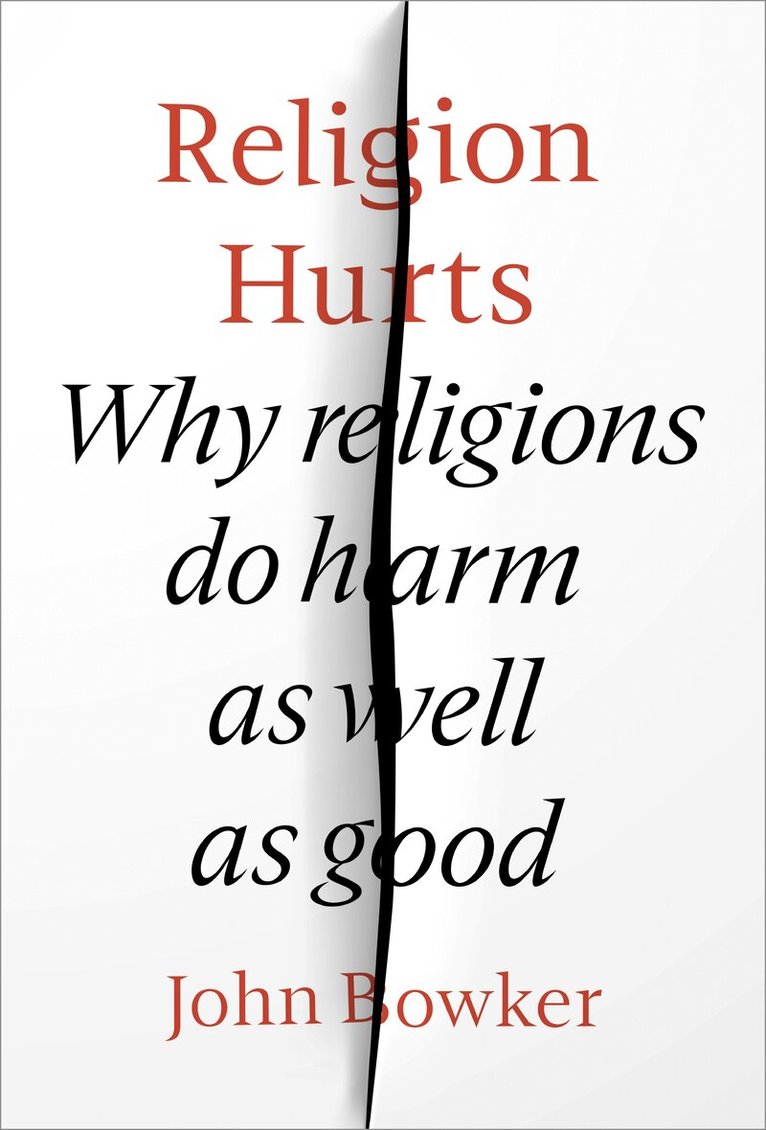
    Religion Hurts

    Why Religions Do Harm As Well As Good

    AvJohn Bowker

    Inbunden, Engelska, 2018

    240 kr

    Beställningsvara. Skickas inom 5-8 vardagar. Fri frakt över 249 kr.

    Beskrivning

    The world contains a bewildering variety of religions, and an equally bewildering variety of practices and beliefs within them. Why did they develop and become so widespread? Why do religions matter so much to so many people? Why do some believe that their faith requires them to terrorise and kill others? Do religions do more harm than good? This is a book for those who ask such questions. Some of the answers we hear today seem totally uncritical of religions while others dismiss religions as inherently toxic and destructive. John Bowker, one of the world's most distinguished scholars of religion, delivers a timely analysis of the issues. He shows how recent research, particularly in the neurosciences, genetics and evolution, throws new light on what religions are and on what part they have played in human life and history. His explanation of why religions have been a force for both good and evil is of vital importance for those trying to understand the politics of the modern world.

    Produktinformation

    • Utgivningsdatum:2018-10-18
    • Mått:142 x 187 x 21 mm
    • Vikt:328 g
    • Format:Inbunden
    • Språk:Engelska
    • Antal sidor:176
    • Förlag:SPCK Publishing
    • ISBN:9780281080168

    Utforska kategorier

    • Religion: allmänt inom Filosofi och religion

    Mer om författaren

    John Bowker is Emeritus Professor at Gresham College, London. He has taught Religious Studies at the universities of Cambridge, Lancaster and Pennsylvania, and at North Carolina State University. He has been a consultant for UNESCO as well as a BBC broadcaster. He is the author or editor of more than forty books including The Oxford Dictionary of World Religions (OUP, 1997), Is God a Virus? Genes, Culture and Religion (SPCK, 1995), The Meanings of Death (CUP, 2008, winner of the HarperCollins Prize), What Muslims Believe (Oneworld, 2009), God: A Very Short Introduction (OUP, 2014), Beliefs that Changed the World (Quercus, 2015) and Why Religions Matter (CUP, 2015).

    Recensioner i media

    ‘This is a fine work . . . It is particularly impressive in its insight into Islamic culture and intra-Islamic conflict, and it shows something of the fresh understanding needed for constructive Christian–Islamic engagement.’