• Fri frakt över 249 kr
  • •
  • Snabba leveranser
  • •
  • Billiga böcker
Kundservice

Du är på sajten för privatpersoner.

Företag, bibliotek eller offentlig verksamhet?

Du handlar på classic.bokus.com, där alla dina funktioner finns intakta.
Till classic.bokus.com
Bokus logotyp. Gå till startsidan.
  • Erbjudanden
  • Nyheter
  • Student
  • Topplistor
  • Barn & ungdom
  • Bokus Play
  • E-böcker
  • Pocketböcker
  • Spel & pussel

10% rabatt på allt med kod: NYSTART10 →

Sidfot

Mina sidor

    Hjälp

    • Kundservice
    • Vanliga frågor och svar
    • Frakt och leverans
    • Retur vid ångerrätt
    • Reklamera vara
    • Betalning
    • Köpvillkor
    • Allmänna villkor
    • Information om webbplatsens tillgänglighet

    Om Bokus

    • Om oss
    • Pressrum
    • För studenter
    • För företag
    • För bibliotek och offentlig verksamhet
    • För leverantörer
    • Hållbarhet

    Populärt

    • Aktuella erbjudanden
    • Presentkort
    • Studentlitteratur
    • Nya böcker
    • Topplistor
    • Signerade böcker
    • Engelska böcker

    Inspiration

    • Boktips
    • BookTok
    • Populära bokserier
    • Barnbokskaraktärer
    • Populära författare
    Logotyp för Bokus
    Följ oss på Facebook (extern länk)Följ oss på Instagram (extern länk)Följ oss på YouTube (extern länk)Följ oss på TikTok (extern länk)
    bokus @ CookiesAnpassa cookiesIntegritetspolicyKöpvillkor
    Till Citymail hemsida (extern länk)Till Budbee hemsida (extern länk)Till Postnord hemsida (extern länk)Till Schenker hemsida (extern länk)Till Early Bird hemsida (extern länk)Till Walleys hemsida (extern länk)
    1. Skönlitteratur
    2. Litteraturvetenskap
    3. Litteraturvetenskap

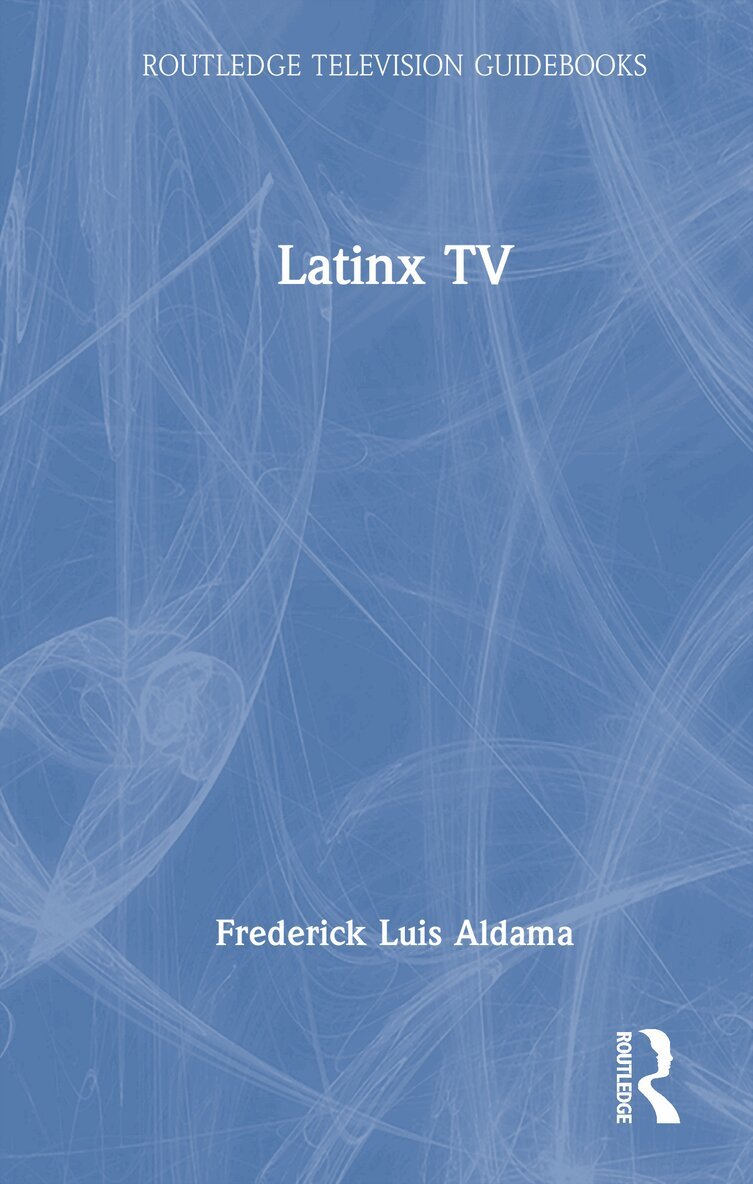
    User's Guide to Postcolonial and Latino Borderland Fiction

    AvFrederick Luis Aldama

    Häftad, Engelska, 2009

    247 kr

    Beställningsvara. Skickas inom 10-15 vardagar. Fri frakt över 249 kr.

    Beskrivning

    Why are so many people attracted to narrative fiction? How do authors in this genre reframe experiences, people, and environments anchored to the real world without duplicating "real life"? In which ways does fiction differ from reality? What might fictional narrative and reality have in common-if anything?By analyzing novels such as Arundhati Roy's The God of Small Things, Amitav Ghosh's The Glass Palace, Zadie Smith's White Teeth, and Hari Kunzru's The Impressionist, along with selected Latino comic books and short fiction, this book explores the peculiarities of the production and reception of postcolonial and Latino borderland fiction. Frederick Luis Aldama uses tools from disciplines such as film studies and cognitive science that allow the reader to establish how a fictional narrative is built, how it functions, and how it defines the boundaries of concepts that appear susceptible to limitless interpretations.Aldama emphasizes how postcolonial and Latino borderland narrative fiction authors and artists use narrative devices to create their aesthetic blueprints in ways that loosely guide their readers' imagination and emotion. In A User's Guide to Postcolonial and Latino Borderland Fiction, he argues that the study of ethnic-identified narrative fiction must acknowledge its active engagement with world narrative fictional genres, storytelling modes, and techniques, as well as the way such fictions work to move their audiences.

    Produktinformation

    • Utgivningsdatum:2009-10-01
    • Mått:152 x 229 x 13 mm
    • Vikt:454 g
    • Format:Häftad
    • Språk:Engelska
    • Antal sidor:208
    • Förlag:University of Texas Press
    • ISBN:9780292725775

    Utforska kategorier

    • Litteraturvetenskap inom Skönlitteratur

    Mer om författaren

    Frederick Luis Aldama is Arts and Humanities Distinguished Professor of English at the Ohio State University.

    Recensioner i media

    "Frederick Aldama's book seeks to transform the teaching of ethnic and postcolonial literature. Fusing borderland and postcolonial fiction as constituent elements of Anglophone world literature, Aldama's work flies in the face of conventional categories with energy and originality. Aldama's embrace of human universals of language and emotion, his resistance to strictures of identity, his sensitivity to historical contexts of creation and reception, and his respect for the autonomy of fictional worlds establish the ethical power of borderland and postcolonial narrative. Yet Aldama argues that fiction should not be bent to the purposes of political argument at the cost of interfering with the invitation to intense empathetic response and the unleashing of readers' world-creating imaginations. He rescues for literary study and for the humanities a core purpose of narrative world-making: the safe experiment with volatile materials." Suzanne Keen, Washington and Lee University

    Innehållsförteckning

    • Introduction: Putting the World Back into Postcolonial and Latino Borderland LiteratureChapter One: A User's Guide to Postcolonial and Latino Borderland FictionChapter Two: Putting the Fiction Back into Arundhati RoyChapter Three: History as Handmaiden to Fiction in Amitav GhoshChapter Four: Fictional World Making in Zadie Smith and Hari KunzruChapter Five: This Is Your Brain on Latino ComicsChapter Six: Reading the Latino Borderland Short StoryNotesWorks CitedIndex