Inbunden, Engelska, 1997
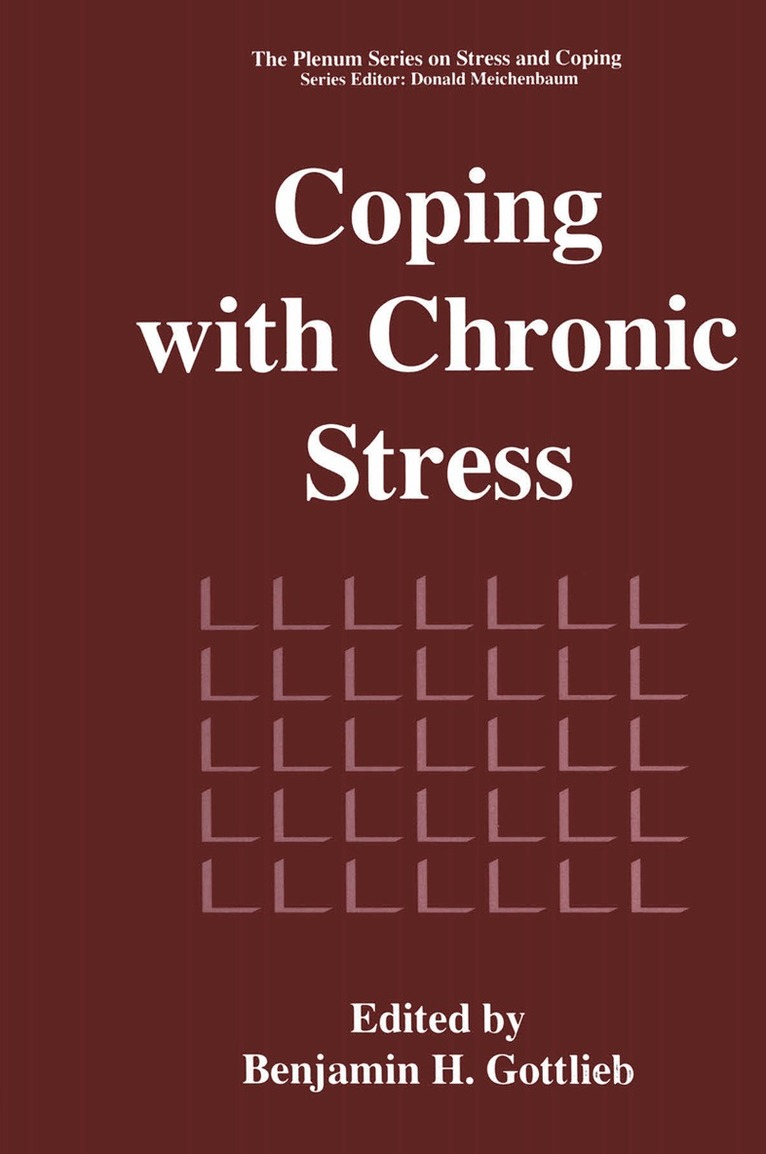
Coping with Chronic Stress
1070 kr
Skickas inom 10-15 vardagar
Beskrivning
Much of what we know about the subject of coping is based on human behavior and cognition during times of crisis and transition. Yet the alarms and m~or upheavals of life comprise only a portion of those experiences that call for adaptive efforts. There remains a vast array of life situations and conditions that pose continuing hardship and threat and do not promise resolution. These chronic stressors issue in part from persistently difficult life circumstances, roles, and burdens, and in part from the conversion of traumatic events into persisting adjustment challenges. Indeed, there is growing recognition of the fact that many traumatic experiences leave a long-lasting emotional residue. Whether or not coping with chronic problems differs in form, emphasis, or func tion from the ways people handle acute life events and transitions is one of the central issues taken up in these pages. This volume explores the varied circumstances and experiences that give rise to chronic stress, as well as the ways in which individuals adapt to and accommodate them. It addresses a number of substantive and methodological questions that have been largely overlooked or sidelined in previous inquiries on the stress and coping process.
Produktinformation
- Utgivningsdatum: 1997-05-31
- Mått: 152 x 229 x 26 mm
- Vikt: 675 g
- Format: Inbunden
- Språk: Engelska
- Serie: Springer Series on Stress and Coping
- Antal sidor: 370
- Upplaga: 1997
- Förlag: Springer Science+Business Media
- ISBN: 9780306454707
Betyg & recensioner
0 recensioner
Inga recensioner tillgängliga.