E-bok, Engelska, 1998
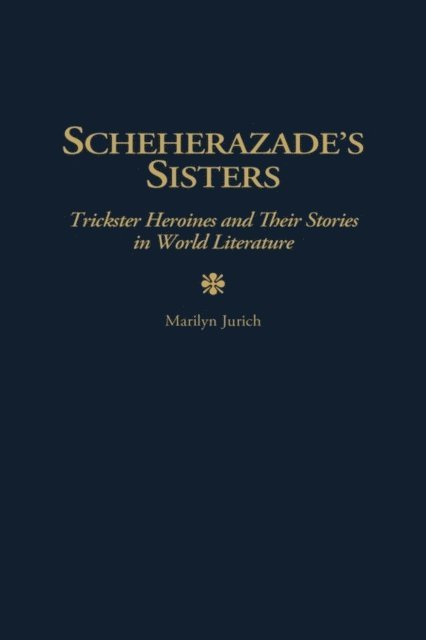
Scheherazade's Sisters
2088 kr
Skickas tisdag 13/10
Beskrivning
Based on the author's discovery of a new folktale type, the female trickster, Jurich's book identifies and celebrates those female protagonists in folktales who use trickery to save themselves and others, to find new directions for their lives, and to declare their individual autonomies, especially in societies that diminish and oppress women. Through creative strategies depending on verbal facility, psychological acuity, and diplomatic know-how, these women tricksters—better named trickstars—uncover the absurdity, hypocrisy, and corruption in the larger patriarchal society. Through the trickstar's efforts, the system is circumvented or foiled, often enlightened, and usually improved. This multicultural, comparative study reveals universal human traits as well as gender differences between female and male tricksters and realizes the values and attitudes which shape the trickstar's character and behavior. Trickstars also appear outside of the oral folktale tradition; the author discusses their roles in contemporary feminist revisionist tales, as well as in mythology, biblical narratives, Shakespearean comedy, novels, plays, and opera.
How the female trickster differs from her male counterpart is, for the first time in folklore studies, illustrated through a comparison of their functions in the narrative scheme of the tale. These functions include the diverting or amusing role, the morally ambiguous or reprehensible role, the role of the manipulator or strategist, and the role of the transformer or culture bringer who reforms and improves the nature of her society. Jurich delineates the specific types of tricksters who perform these functions, suggests how trickstar tales variously affect listeners and readers, and shows how particular types of trickstar characters contribute to the intent of the tale. Feminist views of the protagonists are analyzed as well as contemporary revisionist tales which seek to reverse negative female images and to present independent women characters who can and do make positive contributions to society. For the first time in folklore studies, both female and male tricksters are defined and differentiated, their functions are illustrated through analyzing narrative schemes, and the term trickstar, invented by the author, is used to define and describe a female trickster.
How the female trickster differs from her male counterpart is, for the first time in folklore studies, illustrated through a comparison of their functions in the narrative scheme of the tale. These functions include the diverting or amusing role, the morally ambiguous or reprehensible role, the role of the manipulator or strategist, and the role of the transformer or culture bringer who reforms and improves the nature of her society. Jurich delineates the specific types of tricksters who perform these functions, suggests how trickstar tales variously affect listeners and readers, and shows how particular types of trickstar characters contribute to the intent of the tale. Feminist views of the protagonists are analyzed as well as contemporary revisionist tales which seek to reverse negative female images and to present independent women characters who can and do make positive contributions to society. For the first time in folklore studies, both female and male tricksters are defined and differentiated, their functions are illustrated through analyzing narrative schemes, and the term trickstar, invented by the author, is used to define and describe a female trickster.
Produktinformation
- Utgivningsdatum: 1998-08-20
- Språk: Engelska
- Antal sidor: 312
- Filformat: PDF
- Kopieringsskydd: LCP
- ISBN: 9780313069796
- Förlag: Bloomsbury Publishing Plc
- Serie: Contributions in Women's Studies
Utforska kategorier
Betyg & recensioner
0 recensioner
Inga recensioner tillgängliga.