• Fri frakt över 249 kr
  • •
  • Snabba leveranser
  • •
  • Billiga böcker
Kundservice

Du är på sajten för privatpersoner.

Företag, bibliotek eller offentlig verksamhet?

Du handlar på classic.bokus.com, där alla dina funktioner finns intakta.
Till classic.bokus.com
Bokus logotyp. Gå till startsidan.
  • Erbjudanden
  • Nyheter
  • Student
  • Topplistor
  • Barn & ungdom
  • Bokus Play
  • E-böcker
  • Pocketböcker
  • Spel & pussel

10% rabatt på allt med kod NYSTART10 →

Sidfot

Mina sidor

    Hjälp

    • Kundservice
    • Vanliga frågor och svar
    • Frakt och leverans
    • Retur vid ångerrätt
    • Reklamera vara
    • Betalning
    • Köpvillkor
    • Allmänna villkor
    • Information om webbplatsens tillgänglighet

    Om Bokus

    • Om oss
    • Pressrum
    • För studenter
    • För företag
    • För bibliotek och offentlig verksamhet
    • För leverantörer
    • Hållbarhet

    Populärt

    • Aktuella erbjudanden
    • Presentkort
    • Studentlitteratur
    • Nya böcker
    • Topplistor
    • Signerade böcker
    • Engelska böcker

    Inspiration

    • Boktips
    • BookTok
    • Populära bokserier
    • Barnbokskaraktärer
    • Populära författare
    Logotyp för Bokus
    Följ oss på Facebook (extern länk)Följ oss på Instagram (extern länk)Följ oss på YouTube (extern länk)Följ oss på TikTok (extern länk)
    bokus @ CookiesAnpassa cookiesIntegritetspolicyKöpvillkor
    Till Citymail hemsida (extern länk)Till Budbee hemsida (extern länk)Till Postnord hemsida (extern länk)Till Schenker hemsida (extern länk)Till Early Bird hemsida (extern länk)Till Walleys hemsida (extern länk)
    1. Ekonomi och Ledarskap
    2. Nationalekonomi
    3. Miljöekonomi

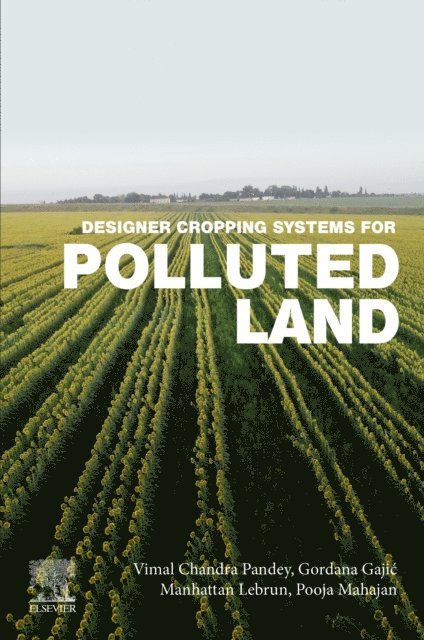
    Designer Cropping Systems for Polluted Land

    AvVimal Chandra Pandey,Gordana Gajic

    Häftad, Engelska, 2023

    1 440 kr

    Beställningsvara. Skickas inom 10-15 vardagar. Fri frakt över 249 kr.

    Beskrivning

    Designer Cropping Systems for Polluted Land explores the processes and techniques of making polluted land safe for planting edible and non-edible crops. The book provides readers and practitioners with a comprehensive understanding of contaminated land use through designer cropping systems. It seeks to present promising and affordable practices for transforming polluted lands while also providing an excellent basis from which scientific knowledge can grow and widen in the fields of phytoremediation-based biofortification.

    • Provides basic understanding on how to produce edible crops on polluted lands with biofortification
    • Explores cropping systems for the extraction of metals for industrial use
    • Discovers the role of designer cropping systems in phytoremediation programs

    Produktinformation

    • Utgivningsdatum:2023-10-24
    • Mått:152 x 229 x 24 mm
    • Vikt:670 g
    • Format:Häftad
    • Språk:Engelska
    • Antal sidor:412
    • Förlag:Elsevier Science
    • ISBN:9780323956185

    Utforska kategorier

    • Miljöekonomi inom Ekonomi och Ledarskap
    • Miljöteknik inom Naturvetenskap och teknik

    Mer om författaren

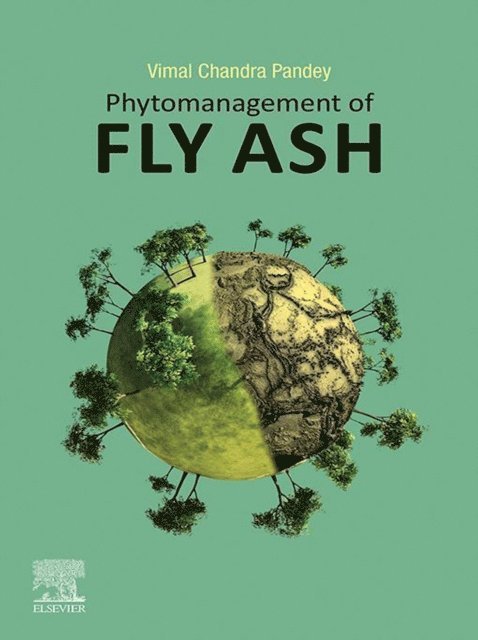
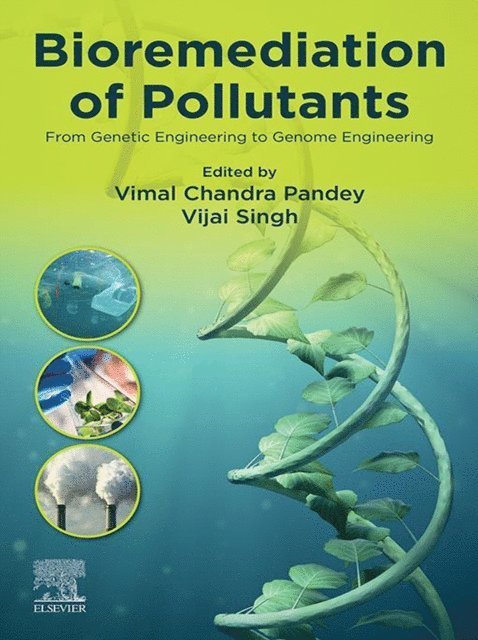
    Dr. Vimal Chandra Pandey is an applied research scientist of phyto- and phycoremediation at Chandigarh University, India. He obtained his PhD from Dr. RML Avadh University and conducted post-doctoral research at Babasaheb Bhimrao Ambedkar University, India. Dr. Pandey’s research focuses on the remediation and management of polluted sites using ecologically and socio-economically valuable plants and algae. His work focuses strongly on restoring ecosystem services and developing a bio-based economy in support of the UN SDGs. Dr. Pandey is a member of the IUCN commission on Ecosystem Management and the National Academy of Sciences, India. He is the author and editor of several books, including Elsevier’s Algae and Aquatic Macrophytes in Cities, Bioremediation of Pollutants, and more. Dr. Gordana Gajić is Senior Research Associate in the Department of Ecology, Institute for Biological Research “Siniša Stanković,” National Institute of Republic of Serbia, University of Belgrade, Serbia. Her research areas are phytoremediation, ecorestoration, plant ecophysiology, and biochemistry. Dr. Gajić has published more than 30 research papers in reputed journals and contributed five book chapters. Dr. Manhattan Lebrun received her master’s degree in Environmental Science at the University of Orleans, France, and a Ph.D. in Bioenvironmental at the University of Molise, Italy. During her Ph.D., she mainly focused on the rhizosphere area, analyzing the root physiology (root proteome profile, root oxidative stress, root exudates) and of the microbial community (sequencing, enzyme activities, community level physiological profiles). Following her postdoc research, she focused on using amendments to ameliorate the fertility of agriculture soil. Dr. Lebrun primarily studied the physiological responses of plants to drought and amendments (leaf gas exchange, proline content) and the nitrogen cycle (N2O emissions, nitrogen related enzymes). She has published over 36 research papers in reputable journals and 2 book chapters. Dr. Pooja Mahajan is Assistant Professor, Centre for Water Sciences, Chitkara University Institute of Engineering and Technology, Chitkara University, Punjab, India. Her research focuses on Phytoremediation of contaminated sites, Waste Water Treatment, Drinking water purification, Dye Removal, Heavy Metal Removal, etc. She has published several research articles and review articles in peer –review international journal having good impact factor. Dr. Mahajan is a reviewer of several reputed national and international journals. She also credited 6 patents in her profile.

    Innehållsförteckning

    • 1. Agriculture extensification on polluted lands 2. Edible crop production on polluted lands for biofortification3. Strategies for reducing toxic metal(loid)s in edible crop parts4. Cash/Valuable crop production on polluted lands5. Cropping systems for extraction of metals for industrial use6. Designer cropping systems in phytoremediation programs7. Designing crops for remediating polluted land and their adaptations