• Fri frakt över 249 kr
  • •
  • Snabba leveranser
  • •
  • Billiga böcker
Kundservice

Du är på sajten för privatpersoner.

Företag, bibliotek eller offentlig verksamhet?

Du handlar på classic.bokus.com, där alla dina funktioner finns intakta.
Till classic.bokus.com
Bokus logotyp. Gå till startsidan.
  • Erbjudanden
  • Nyheter
  • Student
  • Topplistor
  • Barn & ungdom
  • Bokus Play
  • E-böcker
  • Pocketböcker
  • Spel & pussel

10% rabatt på allt med kod NYSTART10 →

Sidfot

Mina sidor

    Hjälp

    • Kundservice
    • Vanliga frågor och svar
    • Frakt och leverans
    • Retur vid ångerrätt
    • Reklamera vara
    • Betalning
    • Köpvillkor
    • Allmänna villkor
    • Information om webbplatsens tillgänglighet

    Om Bokus

    • Om oss
    • Pressrum
    • För studenter
    • För företag
    • För bibliotek och offentlig verksamhet
    • För leverantörer
    • Hållbarhet

    Populärt

    • Aktuella erbjudanden
    • Presentkort
    • Studentlitteratur
    • Nya böcker
    • Topplistor
    • Signerade böcker
    • Engelska böcker

    Inspiration

    • Boktips
    • BookTok
    • Populära bokserier
    • Barnbokskaraktärer
    • Populära författare
    Logotyp för Bokus
    Följ oss på Facebook (extern länk)Följ oss på Instagram (extern länk)Följ oss på YouTube (extern länk)Följ oss på TikTok (extern länk)
    bokus @ CookiesAnpassa cookiesIntegritetspolicyKöpvillkor
    Till Citymail hemsida (extern länk)Till Budbee hemsida (extern länk)Till Postnord hemsida (extern länk)Till Schenker hemsida (extern länk)Till Early Bird hemsida (extern länk)Till Walleys hemsida (extern länk)
    1. Samhälle och politik
    2. Politik och statsskick

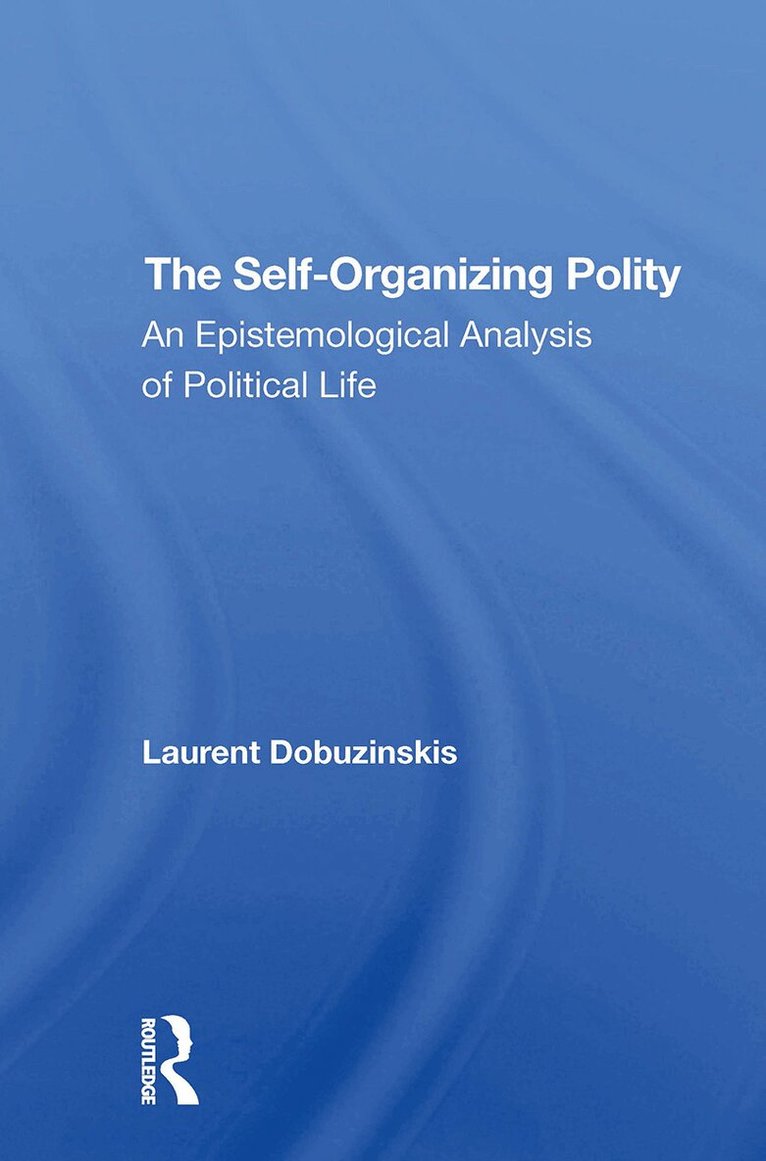
    Selforganizing Polity

    An Epistemological Analysis Of Political Life

    AvLaurent Dobuzinskis

    Häftad, Engelska, 2024

    583 kr

    Beställningsvara. Skickas inom 10-15 vardagar. Fri frakt över 249 kr.

    Fler format och utgåvor

    Inbunden

    1 468 kr

    E-bok

    690 kr

    E-bok

    688 kr

    Beskrivning

    Is the study of living systems a useful metaphor for political science? In this book, Dr. Dobuzinskis argues for further exploration of biopolitical models to explain the complexity of political theory and social change. His discussion emphasizes the new cybernetics, which considers not only self-regulating but also self-organizing or self-producing systems. Self-organizing systems operate in an autonomous sphere comparable to the autonomy of the political community and the political actors who compose this community. The autonomy of these systems is maintained through dynamic equilibration processes that entail not only the preservation of a given structure but also, at crucial times, the creative rearrangement of the existing structure and its transformation into a new pattern of relations. From this perspective, a political crisis is both a threat to the political system and the occasion of its renewal; stability may also mean decay. Emphasizing the links that have developed historically between the natural and social sciences, this book is a reflection on the merits of and difficulties involved in representing the evolutionary process at the political level as the problematic reproduction of national communities and states.

    Produktinformation

    • Utgivningsdatum:2024-10-31
    • Mått:152 x 229 x 13 mm
    • Vikt:453 g
    • Format:Häftad
    • Språk:Engelska
    • Antal sidor:238
    • Förlag:Taylor & Francis Ltd
    • ISBN:9780367311193

    Utforska kategorier

    • Politik och statsskick inom Samhälle och politik

    Mer om författaren

    Laurent Dobuzinskis is an assistant professor of political science at Simon Fraser University in Canada.

    Innehållsförteckning

    • Introduction -- The Complexity of Complex Systems -- Cybernetic Complexity -- Self-Organizing Complexity -- From Biological to Societal Evolution -- Scope and Methods of an Organizationalist Approach to Political Inquiry -- The Role and Functions of the Political System in the Polity -- The Production and Reproduction of the Nation-State -- Political Theory and the Evolution of Ideas -- Conclusion