
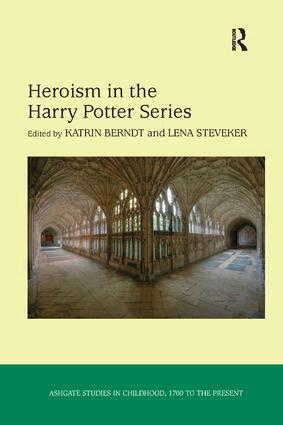
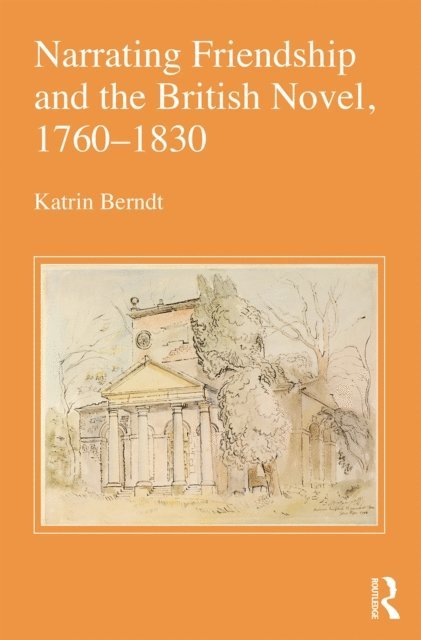
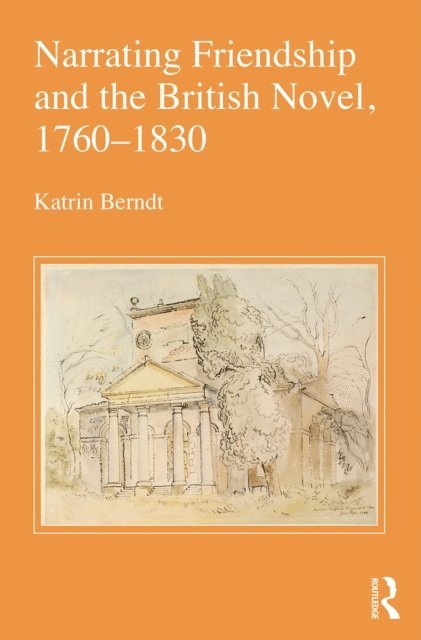
Narrating Friendship and the British Novel, 1760-1830
Häftad, Engelska, 2019
929 kr
Beställningsvara. Skickas inom 10-15 vardagar. Fri frakt över 249 kr.
Fler format och utgåvor
Beskrivning
Friendship has always been a universal category of human relationships and an influential motif in literature, but it is rarely discussed as a theme in its own right. In her study of how friendship gives direction and shape to new ideas and novel strategies of plot, character formation, and style in the British novel from the 1760s to the 1830s, Katrin Berndt argues that friendship functions as a literary expression of philosophical values in a genre that explores the psychology and the interactions of the individual in modern society. In the literary historical period in which the novel became established as a modern genre, friend characters were omnipresent, reflecting enlightenment philosophy’s definition of friendship as a bond that civilized public and private interactions and was considered essential for the attainment of happiness. Berndt’s analyses of genre-defining novels by Frances Brooke, Mary Shelley, Sarah Scott, Helen Maria Williams, Charlotte Lennox, Walter Scott, Jane Austen, and Maria Edgeworth show that the significance of friendship and the increasing variety of novelistic forms and topics represent an overlooked dynamic in the novel’s literary history. Contributing to our understanding of the complex interplay of philosophical, socio-cultural and literary discourses that shaped British fiction in the later Hanoverian decades, Berndt’s book demonstrates that novels have conceived the modern individual not in opposition to, but in interaction with society, continuing Enlightenment debates about how to share the lives and the experiences of others.
Produktinformation
Utforska kategorier
Mer om författaren
Innehållsförteckning
Hoppa över listan
Mer från samma författare
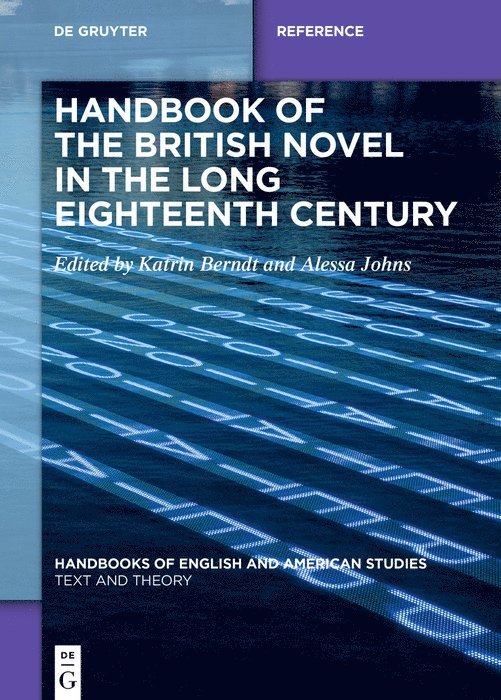
Handbook of the British Novel in the Long Eighteenth Century
Katrin Berndt, Alessa Johns
Inbunden, 2022
3 622 kr
Handbook of the British Novel in the Long Eighteenth Century
Alessa Johns, Katrin Berndt
E-bok
20223 660 kr
Handbook of the British Novel in the Long Eighteenth Century
Alessa Johns, Katrin Berndt
E-bok
20223 493 kr
Hoppa över listan
Du kanske också är intresserad av
- 10% rabatt på allt
Handbook of the British Novel in the Long Eighteenth Century
Alessa Johns, Katrin Berndt
E-bok
20223 493 kr
Handbook of the British Novel in the Long Eighteenth Century
Katrin Berndt, Alessa Johns
Inbunden, 2022
3 622 kr
Handbook of the British Novel in the Long Eighteenth Century
Alessa Johns, Katrin Berndt
E-bok
20223 660 kr