• Fri frakt över 249 kr
  • •
  • Snabba leveranser
  • •
  • Billiga böcker
Kundservice

Du är på sajten för privatpersoner.

Företag, bibliotek eller offentlig verksamhet?

Du handlar på classic.bokus.com, där alla dina funktioner finns intakta.
Till classic.bokus.com
Bokus logotyp. Gå till startsidan.
  • Erbjudanden
  • Nyheter
  • Student
  • Topplistor
  • Barn & ungdom
  • Bokus Play
  • E-böcker
  • Pocketböcker
  • Spel & pussel

10% studentrabatt med kod TERM26

Sidfot

Mina sidor

    Hjälp

    • Kundservice
    • Vanliga frågor och svar
    • Frakt och leverans
    • Retur vid ångerrätt
    • Reklamera vara
    • Betalning
    • Köpvillkor
    • Allmänna villkor
    • Information om webbplatsens tillgänglighet

    Om Bokus

    • Om oss
    • Pressrum
    • För studenter
    • För företag
    • För bibliotek och offentlig verksamhet
    • För leverantörer
    • Hållbarhet

    Populärt

    • Aktuella erbjudanden
    • Presentkort
    • Studentlitteratur
    • Nya böcker
    • Topplistor
    • Signerade böcker
    • Engelska böcker

    Inspiration

    • Boktips
    • BookTok
    • Populära bokserier
    • Barnbokskaraktärer
    • Populära författare
    Logotyp för Bokus
    Följ oss på Facebook (extern länk)Följ oss på Instagram (extern länk)Följ oss på YouTube (extern länk)Följ oss på TikTok (extern länk)
    bokus @ CookiesAnpassa cookiesIntegritetspolicyKöpvillkor
    Till Citymail hemsida (extern länk)Till Budbee hemsida (extern länk)Till Postnord hemsida (extern länk)Till Schenker hemsida (extern länk)Till Early Bird hemsida (extern länk)Till Walleys hemsida (extern länk)
    1. Medicin
    2. Medicin: allmänt
    3. Hälso- och sjukvård

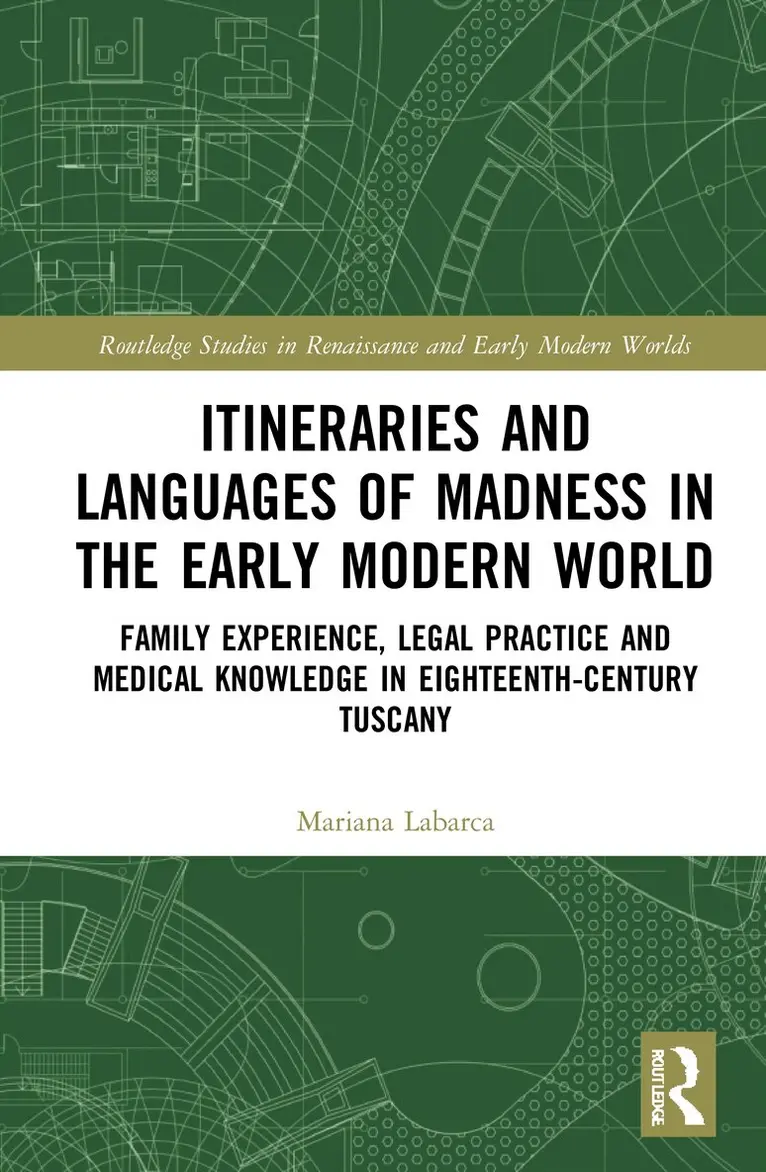
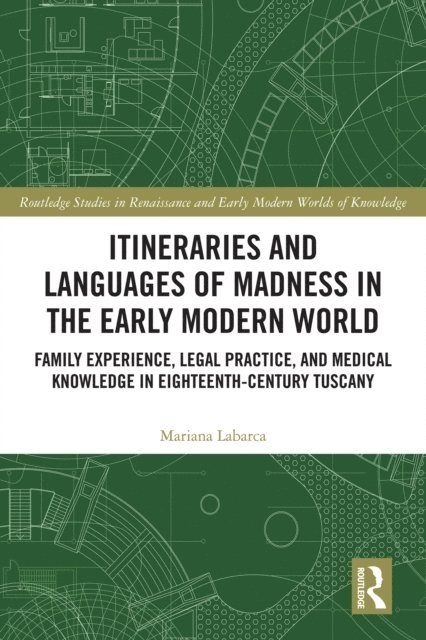
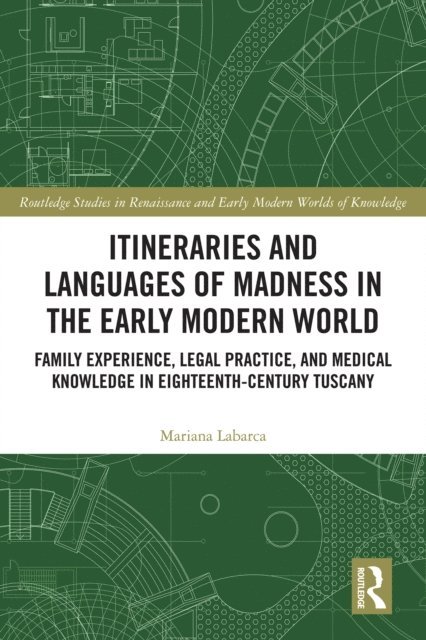
    Itineraries and Languages of Madness in the Early Modern World

    Family Experience, Legal Practice, and Medical Knowledge in Eighteenth-Century Tuscany

    AvMariana Labarca

    Häftad, Engelska, 2023

    Del i serien Routledge Studies in Renaissance and Early Modern Worlds of Knowledge

    646 kr

    Beställningsvara. Skickas inom 10-15 vardagar. Fri frakt över 249 kr.

    Fler format och utgåvor

    Inbunden

    2 506 kr

    E-bok

    760 kr

    E-bok

    760 kr

    Beskrivning

    Drawing on a wide range of sources including interdiction procedures, records of criminal justice, documentation from mental hospitals, and medical literature, this book provides a comprehensive study of the spaces in which madness was recorded in Tuscany during the eighteenth century. It proposes the notion of itineraries of madness, which, intended as an heuristic device, enables us to examine records of madness across the different spaces where it was disclosed, casting light on the connections between how madness was understood and experienced, the language employed to describe it, and public and private responses devised to cope with it. Placing the emotional experience of the Tuscan families at the core of its analysis, this book stresses the central role of families in the shaping of new understandings of madness and how lay notions interacted with legal and medical knowledge. It argues that perceptions of madness in the eighteenth century were closely connected to new cultural concerns regarding family relationships and family roles, which resulted in a shift in the meanings of and attitudes to mental disturbances.

    Produktinformation

    • Utgivningsdatum:2023-01-09
    • Mått:156 x 234 x 16 mm
    • Vikt:550 g
    • Format:Häftad
    • Språk:Engelska
    • Serie:Routledge Studies in Renaissance and Early Modern Worlds of Knowledge
    • Antal sidor:284
    • Förlag:Taylor & Francis Ltd
    • ISBN:9780367528294

    Utforska kategorier

    • Hälso- och sjukvård inom Medicin

    Mer om författaren

    Mariana Labarca is Assistant Professor at the History Department of the Universidad de Santiago de Chile

    Innehållsförteckning

    • Introduction 1. Interdiction Procedures: A Context for Public Intervention in Family Life 2. Mad Spendthrift Men: Prodigality as a Category of Mental Incapacity 3. Beyond financial mismanagement: Interdictions by Reason of Demenza 4. Spaces and Itineraries of Madness 5. Experts and Authorities on Madness 6. Emotional Disturbances and the Circulation of the Languages of Madness Conclusion