• Fri frakt över 249 kr
  • •
  • Snabba leveranser
  • •
  • Billiga böcker
Kundservice

Du är på sajten för privatpersoner.

Företag, bibliotek eller offentlig verksamhet?

Du handlar på classic.bokus.com, där alla dina funktioner finns intakta.
Till classic.bokus.com
Bokus logotyp. Gå till startsidan.
  • Erbjudanden
  • Nyheter
  • Student
  • Topplistor
  • Barn & ungdom
  • Bokus Play
  • E-böcker
  • Pocketböcker
  • Spel & pussel

10% studentrabatt med kod TERM26

Sidfot

Mina sidor

    Hjälp

    • Kundservice
    • Vanliga frågor och svar
    • Frakt och leverans
    • Retur vid ångerrätt
    • Reklamera vara
    • Betalning
    • Köpvillkor
    • Allmänna villkor
    • Information om webbplatsens tillgänglighet

    Om Bokus

    • Om oss
    • Pressrum
    • För studenter
    • För företag
    • För bibliotek och offentlig verksamhet
    • För leverantörer
    • Hållbarhet

    Populärt

    • Aktuella erbjudanden
    • Presentkort
    • Studentlitteratur
    • Nya böcker
    • Topplistor
    • Signerade böcker
    • Engelska böcker

    Inspiration

    • Boktips
    • BookTok
    • Populära bokserier
    • Barnbokskaraktärer
    • Populära författare
    Logotyp för Bokus
    Följ oss på Facebook (extern länk)Följ oss på Instagram (extern länk)Följ oss på YouTube (extern länk)Följ oss på TikTok (extern länk)
    bokus @ CookiesAnpassa cookiesIntegritetspolicyKöpvillkor
    Till Citymail hemsida (extern länk)Till Budbee hemsida (extern länk)Till Postnord hemsida (extern länk)Till Schenker hemsida (extern länk)Till Early Bird hemsida (extern länk)Till Walleys hemsida (extern länk)
    1. Naturvetenskap och teknik
    2. Geovetenskap
    3. Geografi

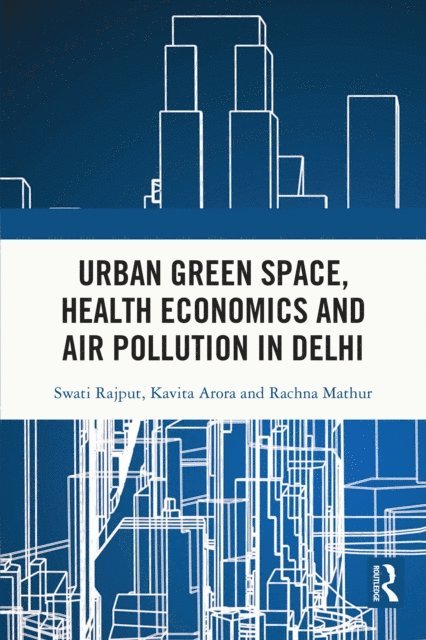
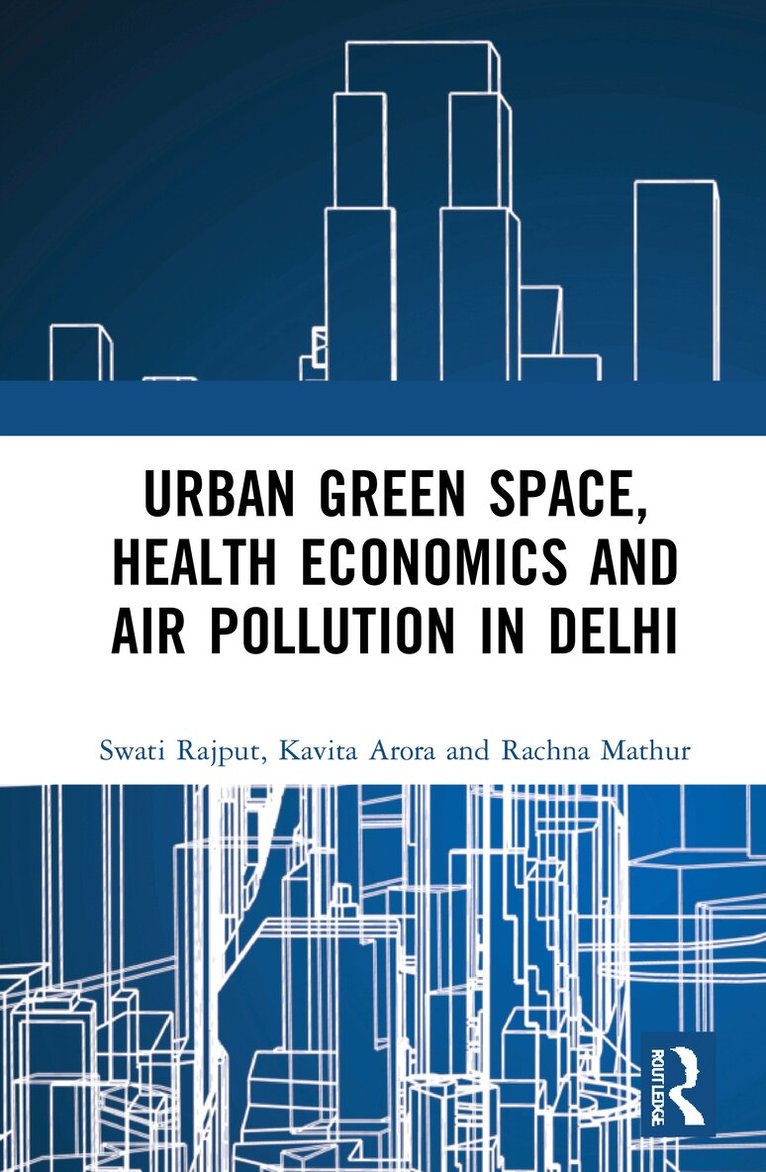
    Urban Green Space, Health Economics and Air Pollution in Delhi

    AvSwati Rajput,Kavita Arora

    Häftad, Engelska, 2023

    670 kr

    Beställningsvara. Skickas inom 10-15 vardagar. Fri frakt över 249 kr.

    Fler format och utgåvor

    Inbunden

    2 434 kr

    Beskrivning

    This book looks at the ecological stress on cities and engages with challenges of reducing vulnerabilities and risks of pollution on the health, well-being and livelihoods of people living in developing countries. Cities are the world’s highest energy consumers and the biggest producers of toxic wastes and pollutants. With an emphasis on the environmental issues facing the city of Delhi, the volume focuses on steps to preserve and manage the city’s urban green spaces. It explores the concept of urban green spaces and their economic, social, health, and psychological significance in cities. Drawing from their fieldwork and research in Delhi, the authors identify the sources of pollution in the city and access the role of urban green spaces in countering adverse effects. They further examine the relationship between green spaces and social and economic development, urban health, and urban governance. They highlight the good practices followed by other global cities. The volume also offers suggestions and policy recommendations to reverse and recover ecological balance in cities.This book will be of interest to students and researchers of environment and ecology, public health, urban planning and governance, development studies, urban geography, urban sociology, resource management and health economics. It will also be useful for policy makers, and NGOs working in the areas of sustainability, urban planning and management and environmental preservation.

    Produktinformation

    • Utgivningsdatum:2023-09-25
    • Mått:156 x 234 x 11 mm
    • Vikt:453 g
    • Format:Häftad
    • Språk:Engelska
    • Antal sidor:178
    • Förlag:Taylor & Francis Ltd
    • ISBN:9780367710217

    Utforska kategorier

    • Geografi inom Naturvetenskap och teknik
    • Miljöteknik inom Naturvetenskap och teknik

    Mer om författaren

    Swati Rajput is a faculty member in the department of geography, Shaheed Bhagat Singh College, University of Delhi. She has 20 years of experience teaching geography in Delhi University. Her subject expertise includes environment, agriculture, urban and tourism geography.She is the editor of the book, Sustainable Smart Cities: Challenges and Future Perspective. She was awarded as the National Resource Person in Social Sciences by the Ministry of Human Resource Development and United Nations FPA. She has contributed to various national and international books and peer reviewed journals. She has also recorded various modules for e-PG Pathshala and Massive Open Online Courses (MOOC) (National Institute of Open School [NIOS]) under a Ministry of Human Resource Development (MHRD) initiative. She is a Gold medallist (Delhi University) and rank holder throughout academics.Kavita Arora is the author of a book Indigenous Forest Management in Andaman & Nicobar Islands, India. She has published her research in many reputed journals. She earned her Ph.D. in Political Geography from Jawaharlal Nehru University, New Delhi. She got Post -Doctoral Fellowship from Indian Council of Social Science Research (ICSSR), New Delhi and Rajeev Gandhi Institute of Contemporary Studies (RGICS), Rajeev Gandhi Foundation, New Delhi. She is currently working as an assistant professor of Geography at Shaheed Bhagat Singh College, University of Delhi, India. A political geographer with interests in development and environmental issues, her research focuses on forests, gender, indigenous knowledge, trans-border conservation and the socio-political dimensions of development. Rachna Mathur is an assistant professor in the University of Delhi. She has been teaching economics for the last 13 years. She did her Ph.D. in Health Economics. Her areas of interest are health economics, money and financial markets and financial economics. She has published many research papers and presented papers in national and international conferences.

    Innehållsförteckning

    • 1.Introduction: Urban Green Spaces: concept and significance 2. Green Spaces of Delhi: A Journey from Past to Present 3. Breathing a Breathless Way: Air Pollution in Delhi 4. The Health Challenges in Delhi 5. Healthcare Management: Investment and Expenditure 6. Green Health Insurance: Willingness to Pay 7. Conclusion and Suggestions