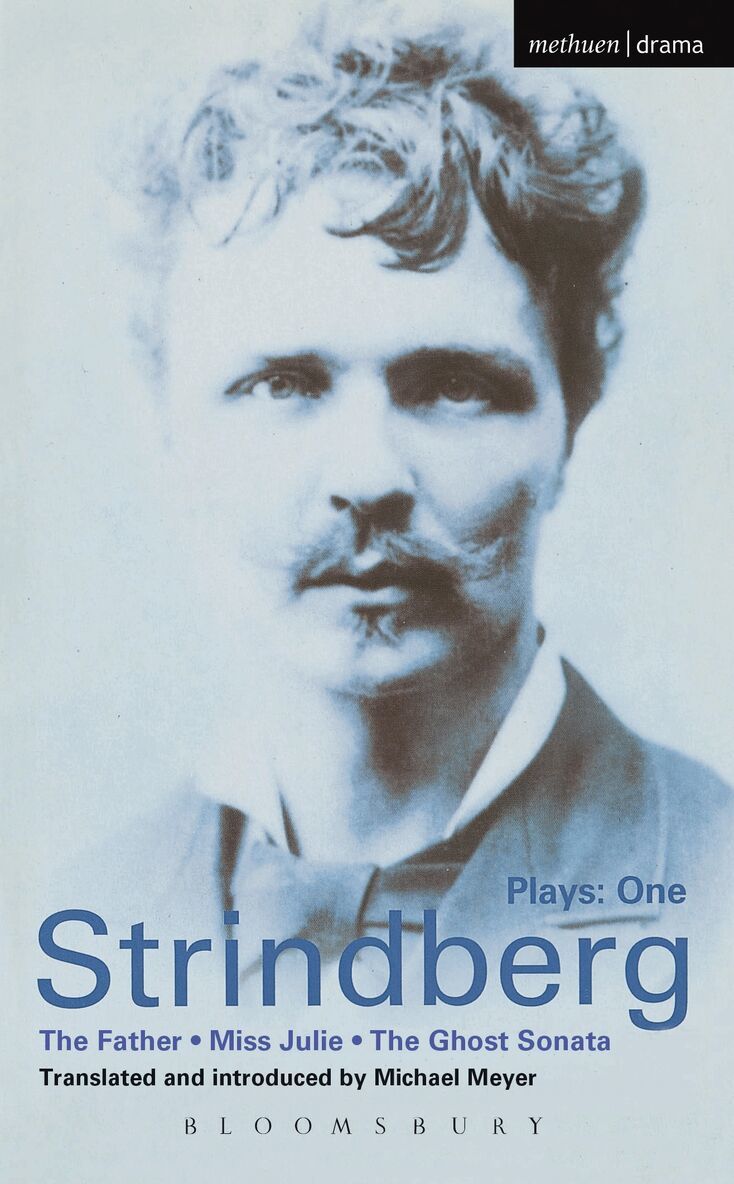
Häftad, Engelska, 1983
Strindberg Plays: 1
349 kr
Beställningsvara. Skickas inom 10-15 vardagar. Fri frakt över 249 kr.
Beskrivning
This volume contains three of Strindberg's most famous plays, spanning twenty years of prodigious creativity and recurrent personal crises: The Father, which displays Strindberg's suspicion of women at its most implacable, 'powerful and profound' (Guy de Maupassant); Miss Julie (1888), which he called his masterpiece, and in which he presents with startling modernity the conflict between sexual passion and social position; and The Ghost Sonata (1907), written in physical pain and spiritual torment, which is a phantasmagoric dream play, 'a direct source for the Theatre of the Absurd' (Martin Esslin)."Michael Meyer is the translator most actors turn to when seeking a definitive text" (Sunday Times)
Produktinformation
- Utgivningsdatum: 1983-03-10
- Mått: 122 x 193 x 10 mm
- Vikt: 218 g
- Format: Häftad
- Språk: Engelska
- Serie: World Classics
- Antal sidor: 192
- Förlag: Bloomsbury Publishing PLC
- ISBN: 9780413521606
- Översättare: Michael Meyer
Utforska kategorier
Betyg & recensioner
0 recensioner
Inga recensioner tillgängliga.