Häftad, Engelska, 1994
Ring of Fire
Av Malcolm Pines, Victor Schermer
670 kr
Beställningsvara. Skickas inom 10-15 vardagar. Fri frakt över 249 kr.
Beskrivning
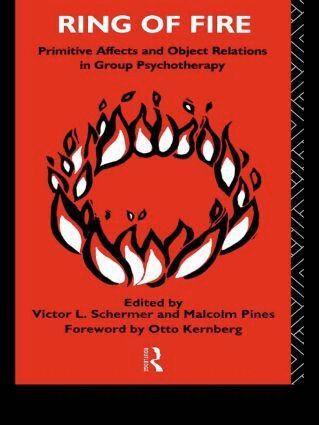
The ring of fire stands for the life cycle of both the universe and each individual being: the circular dance of nature in the eternal process of creation and destruction. At the same time, the light radiated by the ring of flames symbolizes eternal wisdom and transcendental illumination. -J.E. Cirlot. A Dictionary of Symbols The circular form in which the group is seated symbolizes its unity, connectedness, and cohesion as well as its microcosmic relation to the larger world of human evolution, culture, and the life cycle. Foulkes, Bion, and others have identified primitive layers of affect and object relations where universal collective themes and early infantile object relations are re-experienced and repeated in the meeting place for healing called the therapy group. In this context, very profound emotions and energies are released which have deep implications for change and growth, provided the therapist can manage and respond to them effectively. This book brings together a collection of new and original contributions to an understanding of primitive object relations and intensely critical emotional states which present the maximum challenge to the group psychotherapist: the ring of fire. An international group of colleagues, based primarily in Great Britain and the United States, address areas of special interest to them and to which they have devoted considerable research and therapeutic effort. They provide insights into the dynamics of these issues and guide the therapist in the management and interpretation of the group events as they unfold. While much has been written on primitive group states, the information is scattered throughout many journals and books and all too often does not address the practical problems faced by the group therapist in Practical terms. Furthermore, there have been significant developments in affect theory and object relations theory which have yet to be assimilated sufficiently into the theory and technique of group psychotherapy. This book attempts to reduce that gap as it concentrates on the relevance of concepts to treatment in accordance with Kurt Lewin's maxim, There is nothing so practical as a good theory. Ring of Fire will be invaluable to group psychotherapy supervisors, beginning and experienced group therapists, students and supervisers of group psychotherapy and group dynamics, and organizational consultants who utilize group dynamics principles in their work. Victor L. Schermer is a clinical psychologist in private practice in Philadelphia. He is Executive Director of the Study Group for Contemporary Psychoanalytic Process and Director of the Institute for the Study of Human Conflict. Malcolm Pines was, until his recent retirement, Consultant Psychiatrist at the Tavistock Clinic, London and is a member of the Group-Analytic Practice.
Produktinformation
- Utgivningsdatum: 1994-06-02
- Mått: 138 x 216 x 21 mm
- Vikt: 430 g
- Format: Häftad
- Språk: Engelska
- Serie: International Library of Group Psychotherapy and Group Process
- Antal sidor: 328
- Förlag: Taylor & Francis Ltd
- ISBN: 9780415066822
Utforska kategorier
Betyg & recensioner
0 recensioner
Inga recensioner tillgängliga.