• Fri frakt över 249 kr
  • •
  • Snabba leveranser
  • •
  • Billiga böcker
Kundservice

Du är på sajten för privatpersoner.

Företag, bibliotek eller offentlig verksamhet?

Du handlar på classic.bokus.com, där alla dina funktioner finns intakta.
Till classic.bokus.com
Bokus logotyp. Gå till startsidan.
  • Erbjudanden
  • Nyheter
  • Student
  • Topplistor
  • Barn & ungdom
  • Bokus Play
  • E-böcker
  • Pocketböcker
  • Spel & pussel

10% rabatt på allt med kod NYSTART10 →

Sidfot

Mina sidor

    Hjälp

    • Kundservice
    • Vanliga frågor och svar
    • Frakt och leverans
    • Retur vid ångerrätt
    • Reklamera vara
    • Betalning
    • Köpvillkor
    • Allmänna villkor
    • Information om webbplatsens tillgänglighet

    Om Bokus

    • Om oss
    • Pressrum
    • För studenter
    • För företag
    • För bibliotek och offentlig verksamhet
    • För leverantörer
    • Hållbarhet

    Populärt

    • Aktuella erbjudanden
    • Presentkort
    • Studentlitteratur
    • Nya böcker
    • Topplistor
    • Signerade böcker
    • Engelska böcker

    Inspiration

    • Boktips
    • BookTok
    • Populära bokserier
    • Barnbokskaraktärer
    • Populära författare
    Logotyp för Bokus
    Följ oss på Facebook (extern länk)Följ oss på Instagram (extern länk)Följ oss på YouTube (extern länk)Följ oss på TikTok (extern länk)
    bokus @ CookiesAnpassa cookiesIntegritetspolicyKöpvillkor
    Till Citymail hemsida (extern länk)Till Budbee hemsida (extern länk)Till Postnord hemsida (extern länk)Till Schenker hemsida (extern länk)Till Early Bird hemsida (extern länk)Till Walleys hemsida (extern länk)
    1. Psykologi och pedagogik
    2. Pedagogik
    3. Undervisning i specifika ämnen

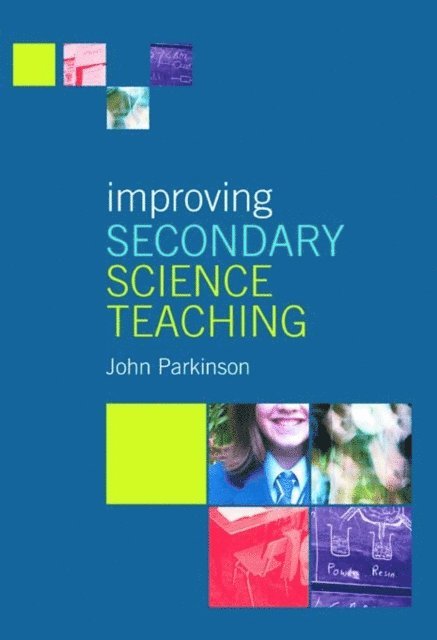
    Improving Secondary Science Teaching

    AvJohn Parkinson

    Häftad, Engelska, 2003

    648 kr

    Beställningsvara. Skickas inom 10-15 vardagar. Fri frakt över 249 kr.

    Fler format och utgåvor

    Inbunden

    2 354 kr

    E-bok

    768 kr

    E-bok

    766 kr

    Beskrivning

    Improving Secondary Science Teaching has been written to help teachers both new and experienced reflect on their current practice and consider how to improve the effectiveness of their teaching. The book examines each of the common teaching methods used in science in relation to pupils' learning and provides guidance on management issues and procedures.With underlying themes such as pupils' interest in science and their motivation to learn; how pupils learn science; the type of science currently being taught in school; and the value of educational research; the book includes chapters on:the improvement processplanning for progression and continuitypromoting pupils' learningdealing with differencesmaking use of information from assessmentlearning about the nature of scienceThis timely book will be of interest to practising science teachers, particularly those who are working to improve the management of science departments or their own teaching practice. It will also be a valuable resource for science education researchers and students on higher degree courses in science education.


    Produktinformation

    • Utgivningsdatum:2003-12-11
    • Mått:174 x 246 x 26 mm
    • Vikt:544 g
    • Format:Häftad
    • Språk:Engelska
    • Antal sidor:296
    • Förlag:Taylor & Francis Ltd
    • ISBN:9780415250467

    Utforska kategorier

    • Undervisning i specifika ämnen inom Psykologi och pedagogik

    Mer om författaren

    John Parkinson is Senior Lecturer in the Education Department, University of Wales, Swansea. He is the science tutor on the PGCE course and leads the MA module on school improvement

    Recensioner i media

    'Parkinson has written another book that is readable, informative, and wide-ranging, and which similarly deserves recommendation.' - Education in Chemisty'This book has much to offer all members of the science department.' - Education in Chemistry

    Innehållsförteckning

    • 1. The Improvement Process 2. Leading and Managing the Science Department 3. Self-improvement 4. Planning for Progression and Continuity 5. Promoting Pupils' Learning 6. Dealing with Differences 7. Making Use of Information from Assessment 8. Learning About the Nature of Science 9. Learning Through Practical Work 10. Learning Through ICT 11. Learning Through Written and Oral Work 12. Where Do We Go From Here?