• Fri frakt över 249 kr
  • •
  • Snabba leveranser
  • •
  • Billiga böcker
Kundservice

Du är på sajten för privatpersoner.

Företag, bibliotek eller offentlig verksamhet?

Du handlar på classic.bokus.com, där alla dina funktioner finns intakta.
Till classic.bokus.com
Bokus logotyp. Gå till startsidan.
  • Erbjudanden
  • Nyheter
  • Student
  • Topplistor
  • Barn & ungdom
  • Bokus Play
  • E-böcker
  • Pocketböcker
  • Spel & pussel

10% rabatt på allt med kod: NYSTART10 →

Sidfot

Mina sidor

    Hjälp

    • Kundservice
    • Vanliga frågor och svar
    • Frakt och leverans
    • Retur vid ångerrätt
    • Reklamera vara
    • Betalning
    • Köpvillkor
    • Allmänna villkor
    • Information om webbplatsens tillgänglighet

    Om Bokus

    • Om oss
    • Pressrum
    • För studenter
    • För företag
    • För bibliotek och offentlig verksamhet
    • För leverantörer
    • Hållbarhet

    Populärt

    • Aktuella erbjudanden
    • Presentkort
    • Studentlitteratur
    • Nya böcker
    • Topplistor
    • Signerade böcker
    • Engelska böcker

    Inspiration

    • Boktips
    • BookTok
    • Populära bokserier
    • Barnbokskaraktärer
    • Populära författare
    Logotyp för Bokus
    Följ oss på Facebook (extern länk)Följ oss på Instagram (extern länk)Följ oss på YouTube (extern länk)Följ oss på TikTok (extern länk)
    bokus @ CookiesAnpassa cookiesIntegritetspolicyKöpvillkor
    Till Citymail hemsida (extern länk)Till Budbee hemsida (extern länk)Till Postnord hemsida (extern länk)Till Schenker hemsida (extern länk)Till Early Bird hemsida (extern länk)Till Walleys hemsida (extern länk)
    1. Psykologi och pedagogik
    2. Psykologi
    3. Barnpsykologi och utvecklingspsykologi

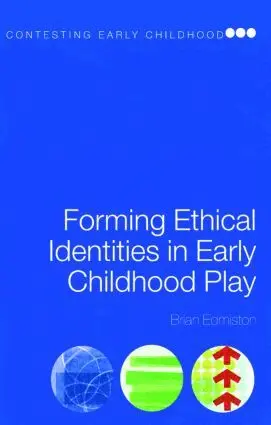
    Forming Ethical Identities in Early Childhood Play

    AvBrian Edmiston

    Häftad, Engelska, 2007

    Del i serien Contesting Early Childhood

    582 kr

    Skickas . Fri frakt över 249 kr.

    Fler format och utgåvor

    Inbunden

    2 871 kr

    E-bok

    850 kr

    E-bok

    847 kr

    Beskrivning

    Through compelling examples, Brian Edmiston presents the case for why and how adults should play with young children to create with them a 'workshop for life'.In a chapter on 'mythic play' Edmiston confronts adult discomfort over children's play with pretend weapons, as he encourages adults both to support children's desires to experience in imagination the limits of life and death, and to travel with children on their transformational journeys into unknown territory.This book provides researchers and students with a sound theoretical framework for re-conceptualising significant aspects of pretend play in early childhood. Its many practical illustrations make this a compelling and provocative read for any student taking courses in Early Childhood Studies.

    Produktinformation

    • Utgivningsdatum:2007-10-18
    • Mått:138 x 216 x 13 mm
    • Vikt:680 g
    • Format:Häftad
    • Språk:Engelska
    • Serie:Contesting Early Childhood
    • Antal sidor:224
    • Förlag:Taylor & Francis Ltd
    • ISBN:9780415435482

    Utforska kategorier

    • Barnpsykologi och utvecklingspsykologi inom Psykologi och pedagogik

    Recensioner i media

    ‘[This book] is a welcome addition to the literatures on play, moral development, and postmodern theorizing in early childhood education ... It is a terrific example of postmodern scholarship that does not sacrifice complexity for clarify and readability.’ - J. Amos Hatch, University of Tennessee‘This book is designed to provoke thought ... it dislocates itself from traditional approaches and subverts the language of play.’ - Tina Bruce, Roehampton University‘An extraordinary theoretical tour de force.’ - Maureen Kendrick, University of British Columbia"In this thoughtful, stimulating analysis of the ethical dimensions of children’s play, Edmiston argues for the value of mythic play, in which children confront issues of good and evil by enacting heroes and villains of classic and contemporary tales." – CHOICE, September 2008, Vol. 45 No. 11

    Innehållsförteckning

    • 1. Ethics in Play 2. Mythic and Everyday Play 3. Playing with Possible Selves and Identities 4. Co-Authoring Ethical Selves and Identities 5. Play as Ethical Pedagogy