- Nyhet
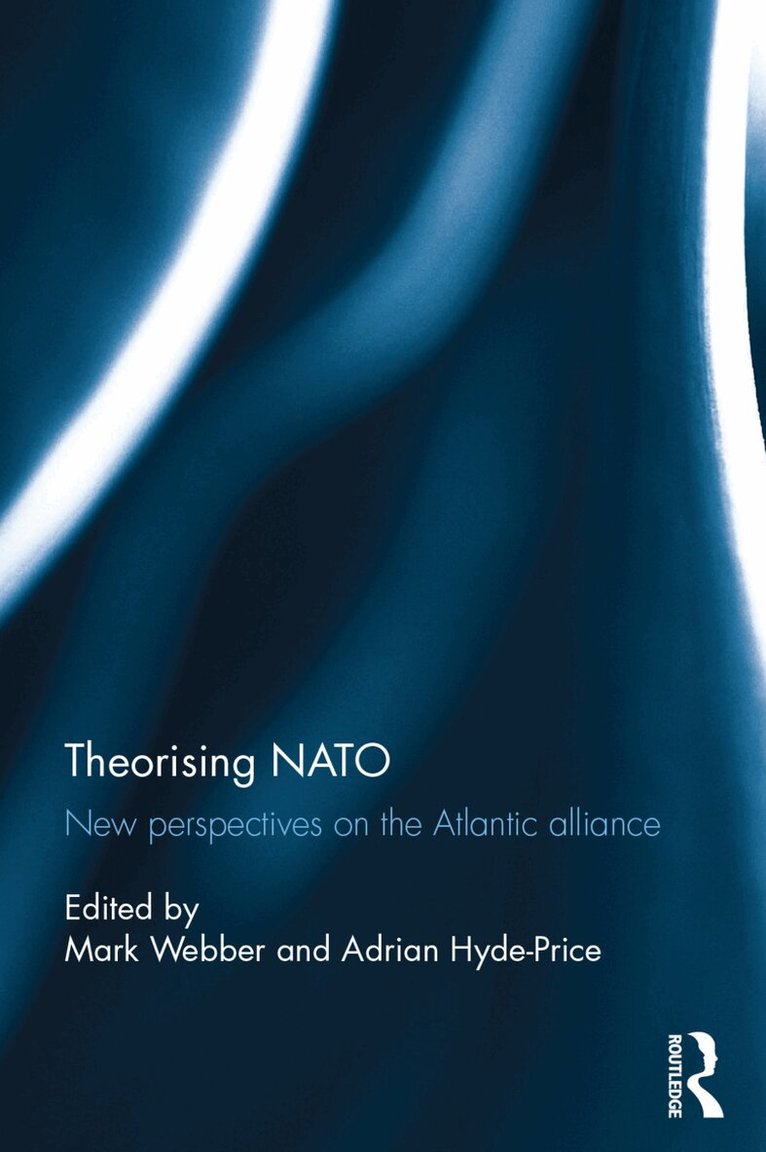
Theorising NATO
New perspectives on the Atlantic alliance
AvMark Webber,Adrian Hyde-Price
2 473 kr
Beställningsvara. Skickas inom 10-15 vardagar. Fri frakt över 249 kr.
Du är på sajten för privatpersoner.
AvMark Webber,Adrian Hyde-Price
2 473 kr
Beställningsvara. Skickas inom 10-15 vardagar. Fri frakt över 249 kr.
Mark Webber is Professor of International Politics and Head of the School of Government and Society at the University of Birmingham, UK. Adrian Hyde-Price is Professor of Political Science at Gothenburg University, Sweden.
"Theorising NATO is a useful exercise, worth reading for students and scholars of both NATO and IR theory. For NATO specialists, Webber and Hyde-Price’s book provides new answers to old questions – especially the ones connected to NATO’s persistence in the post-Cold War era. Both Flockhart’s constructivist analysis and the contribution on securitisation by Gabi Schlag (Otto von Guericke University of Magdeburg) offer answers to this question that are not superficial. For IR theory enthusiasts, Theorising NATO attests concretely to the importance of theory in International Relations and provides a practical and powerful demonstration that multiple theoretical points of view can coexist and reinforce one another harmoniously, if considered with sufficient analytical eclecticism."Federico Palmieri, Istituto Affari Internazionali (IAI), The International Spectator
Du är på sajten för privatpersoner.
AvMark Webber,Adrian Hyde-Price
2 473 kr
Beställningsvara. Skickas inom 10-15 vardagar. Fri frakt över 249 kr.
Mark Webber is Professor of International Politics and Head of the School of Government and Society at the University of Birmingham, UK. Adrian Hyde-Price is Professor of Political Science at Gothenburg University, Sweden.
"Theorising NATO is a useful exercise, worth reading for students and scholars of both NATO and IR theory. For NATO specialists, Webber and Hyde-Price’s book provides new answers to old questions – especially the ones connected to NATO’s persistence in the post-Cold War era. Both Flockhart’s constructivist analysis and the contribution on securitisation by Gabi Schlag (Otto von Guericke University of Magdeburg) offer answers to this question that are not superficial. For IR theory enthusiasts, Theorising NATO attests concretely to the importance of theory in International Relations and provides a practical and powerful demonstration that multiple theoretical points of view can coexist and reinforce one another harmoniously, if considered with sufficient analytical eclecticism."Federico Palmieri, Istituto Affari Internazionali (IAI), The International Spectator