• Fri frakt över 249 kr
  • •
  • Snabba leveranser
  • •
  • Billiga böcker
Kundservice

Du är på sajten för privatpersoner.

Företag, bibliotek eller offentlig verksamhet?

Du handlar på classic.bokus.com, där alla dina funktioner finns intakta.
Till classic.bokus.com
Bokus logotyp. Gå till startsidan.
  • Erbjudanden
  • Nyheter
  • Student
  • Topplistor
  • Barn & ungdom
  • Bokus Play
  • E-böcker
  • Pocketböcker
  • Spel & pussel

10% rabatt på allt med kod NYSTART10 →

Sidfot

Mina sidor

    Hjälp

    • Kundservice
    • Vanliga frågor och svar
    • Frakt och leverans
    • Retur vid ångerrätt
    • Reklamera vara
    • Betalning
    • Köpvillkor
    • Allmänna villkor
    • Information om webbplatsens tillgänglighet

    Om Bokus

    • Om oss
    • Pressrum
    • För studenter
    • För företag
    • För bibliotek och offentlig verksamhet
    • För leverantörer
    • Hållbarhet

    Populärt

    • Aktuella erbjudanden
    • Presentkort
    • Studentlitteratur
    • Nya böcker
    • Topplistor
    • Signerade böcker
    • Engelska böcker

    Inspiration

    • Boktips
    • BookTok
    • Populära bokserier
    • Barnbokskaraktärer
    • Populära författare
    Logotyp för Bokus
    Följ oss på Facebook (extern länk)Följ oss på Instagram (extern länk)Följ oss på YouTube (extern länk)Följ oss på TikTok (extern länk)
    bokus @ CookiesAnpassa cookiesIntegritetspolicyKöpvillkor
    Till Citymail hemsida (extern länk)Till Budbee hemsida (extern länk)Till Postnord hemsida (extern länk)Till Schenker hemsida (extern länk)Till Early Bird hemsida (extern länk)Till Walleys hemsida (extern länk)
    1. Språk och ordböcker
    2. Språkvetenskap och lingvistik

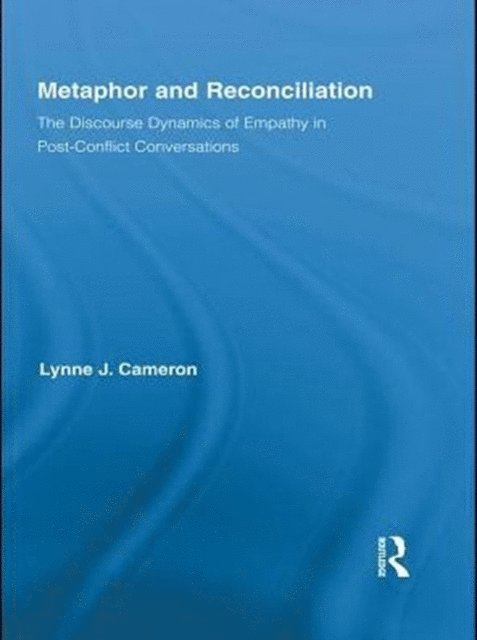
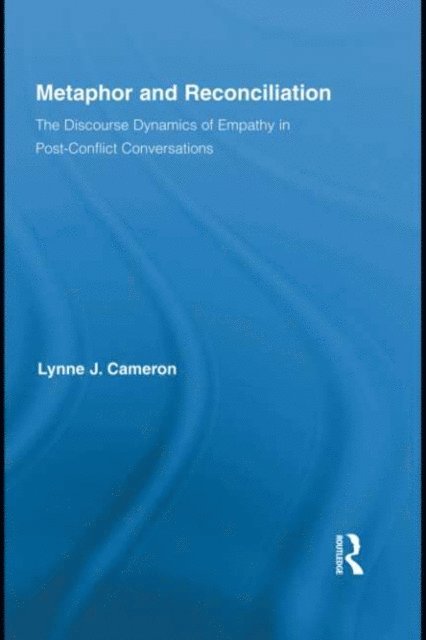
    Metaphor and Reconciliation

    The Discourse Dynamics of Empathy in Post-Conflict Conversations

    AvLynne Cameron

    Inbunden, Engelska, 2010

    Del i serien Routledge Studies in Linguistics

    2 726 kr

    Beställningsvara. Skickas inom 10-15 vardagar. Fri frakt över 249 kr.

    Fler format och utgåvor

    Häftad

    716 kr

    E-bok

    849 kr

    E-bok

    846 kr

    Beskrivning

    Sixteen years after her father was killed by an IRA bomb, Jo Berry had her first conversation with the man responsible. She had made a long journey, ‘walking the footsteps of the bombers’ as she put it, determined not to give in to anger and revenge but to try to understand his motivations and perspective. Her preparedness to meet Pat Magee opened up a path to empathy that developed through their conversations over the following years. This book studies their growing understandings of each other by focusing on the rich networks of metaphors that appear in their conversations, and how these evolve in the process of reconciliation. The innovative research method, reported in a rigorous but accessible style, together with the rich and often poignant data, make this book a valuable addition to the study of metaphor and discourse. In uncovering the development of empathy between these two extraordinary people, Cameron illuminates the moral necessity, and the potential rewards, in trying to imagine the world and mind of the Other. Implications are drawn for how mediators in reconciliation contexts might make positive use of metaphor in supporting the dynamics of empathy.

    Produktinformation

    • Utgivningsdatum:2010-11-08
    • Mått:152 x 229 x 19 mm
    • Vikt:580 g
    • Format:Inbunden
    • Språk:Engelska
    • Serie:Routledge Studies in Linguistics
    • Antal sidor:226
    • Förlag:Taylor & Francis Ltd
    • ISBN:9780415956758

    Utforska kategorier

    • Språkvetenskap och lingvistik inom Språk och ordböcker

    Mer om författaren

    Lynne J. Cameron is Professor of Applied Linguistics at the Open University, UK, and Research Fellow in the Global Uncertainties programme of the UK Economic and Social Research Council. Publications include Researching and Applying Metaphor (with Graham Low, 1999), Metaphor in Educational Discourse (2003), Metaphor Analysis: A guide to research practice (with Robert Maslen, 2010).

    Innehållsförteckning

    • List of Tables List of Figures Preface Acknowledgments Transcription Conventions 1: Coming Together: Background to the Conciliation Process 2: The Discourse Dynamics Approach to Metaphor and Empathy 3: Metaphor Analysis 4: Conciliation as journeys of understanding and listening to stories 5: Metaphor Clusters and Absences 6: Connection and separation in conciliation 7: Becoming Involved in Violence 8: The Impact of Violence 9: Appropriating the Other’s Metaphors 10: Metaphor, Reconciliation and the Dynamics of Empathy 11: Images of Empathy Appendix: Using Metaphor in Reconciliation: Implications for Mediators Notes Bibliography Index