• Fri frakt över 249 kr
  • •
  • Snabba leveranser
  • •
  • Billiga böcker
Kundservice

Du är på sajten för privatpersoner.

Företag, bibliotek eller offentlig verksamhet?

Du handlar på classic.bokus.com, där alla dina funktioner finns intakta.
Till classic.bokus.com
Bokus logotyp. Gå till startsidan.
  • Erbjudanden
  • Nyheter
  • Student
  • Topplistor
  • Barn & ungdom
  • Bokus Play
  • E-böcker
  • Pocketböcker
  • Spel & pussel

10% rabatt på allt med kod: NYSTART10 →

Sidfot

Mina sidor

    Hjälp

    • Kundservice
    • Vanliga frågor och svar
    • Frakt och leverans
    • Retur vid ångerrätt
    • Reklamera vara
    • Betalning
    • Köpvillkor
    • Allmänna villkor
    • Information om webbplatsens tillgänglighet

    Om Bokus

    • Om oss
    • Pressrum
    • För studenter
    • För företag
    • För bibliotek och offentlig verksamhet
    • För leverantörer
    • Hållbarhet

    Populärt

    • Aktuella erbjudanden
    • Presentkort
    • Studentlitteratur
    • Nya böcker
    • Topplistor
    • Signerade böcker
    • Engelska böcker

    Inspiration

    • Boktips
    • BookTok
    • Populära bokserier
    • Barnbokskaraktärer
    • Populära författare
    Logotyp för Bokus
    Följ oss på Facebook (extern länk)Följ oss på Instagram (extern länk)Följ oss på YouTube (extern länk)Följ oss på TikTok (extern länk)
    bokus @ CookiesAnpassa cookiesIntegritetspolicyKöpvillkor
    Till Citymail hemsida (extern länk)Till Budbee hemsida (extern länk)Till Postnord hemsida (extern länk)Till Schenker hemsida (extern länk)Till Early Bird hemsida (extern länk)Till Walleys hemsida (extern länk)
    1. Samhälle och politik
    2. Politik och statsskick

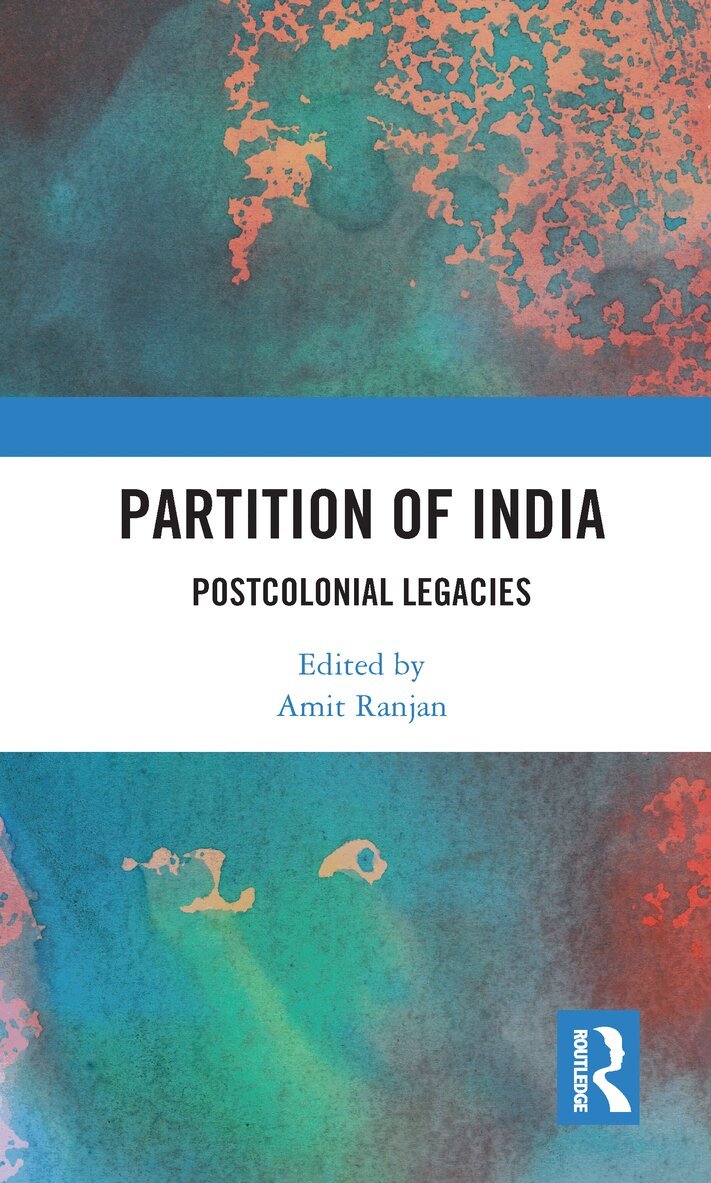
    Partition of India

    Postcolonial Legacies

    AvAmit Ranjan

    E-bok
    Engelska, 2018

    814 kr

    Läs direkt i Bokus Reader – eller ladda ned till din enhet

    Beskrivning

    The Partition of British India in 1947 set in motion events that have had far-reaching consequences in South Asia – wars, military tensions, secessionist movements and militancy/terrorism. This book looks at key events in 1947 and explores the aftermath of the Partition and its continued impact in the present-day understanding of nationhood and identity. It also examines the diverse and fractured narratives that framed popular memory and understanding of history in the region.The volume includes discussions on the manner in which regions such as the Punjab, Sindh, Kashmir, Bengal, Uttar Pradesh (Lucknow) and North-East India were influenced. It deals with issues such as communal politics, class conflict, religion, peasant nationalism, decolonization, migration, displacement, riots, the state of refugees, women and minorities, as well as the political relationship between India, Pakistan and Bangladesh. Drawing on major flashpoints in contemporary South Asian history along with representations from literature, art and popular culture, this book will interest scholars of modern Indian history, Partition studies, colonial history, postcolonial studies, international relations, politics, sociology, literature and South Asian studies.

    Produktinformation

    • Utgivningsdatum:2018-11-20
    • Språk:Engelska
    • Filformat:EPUB
    • Kopieringsskydd:LCP
    • ISBN:9780429750526
    • Förlag:Taylor & Francis Ltd

    Utforska kategorier

    • Politik och statsskick inom Samhälle och politik
    • Historia inom Historia och arkeologi
    • Kolonialism och imperialism inom Historia och arkeologi

    Mer om författaren

    Amit Ranjan is Visiting Research Fellow at the Institute of South Asia Studies (ISAS), National University of Singapore (NUS), Singapore.

    Innehållsförteckning

    • Introduction. 1. Partition: A Reaction Against ‘Differences’? PART I: PARTITION IN THE PROVINCES AND PRINCELY STATES 2. The 1947 Partition of Punjab 3. Peregrination of Sindh’s March towards Pakistan: Communal Politics, Class Conflict and Competing Nationalisms 4. Peasant Nationalism, Elite Conflict, and the Second Partition of Bengal, 1918-1947 5. Recovering A Forgotten Partition: Decolonization, Displacement and Memories of Home and Uprooting in Post-colonial Assam 6. Did India’s Partition Lead to the Segregation of North East India? 7. Balochistan under British Rule. PART II: MIGRATION AND DISPLACEMENT 8. Unwanted Refugees: Sindhi Hindus in India and Muhajirs in Sindh 9. 1950 Riots and Fractured Social Spaces: Minority Displacement and Dispossession in Calcutta and its Neighbouring Areas. PART III: PERSONAL HISTORY, INTERPRETATION AND (RE) PRESENTATION 10. Kashmir as Partition’s ‘Unfinished Business’ 11. Lucknow: A Personal History 12. Bacha Khan: The Legacy of Hope and Perseverance 13. Whose History of Partition: Tamil Cinema and the Negotiation of National Identity 14. Re(presenting) the Image of Refugee Woman in Bengal’s Partition Narratives. PART IV: RELATIONSHIPS: INDIA-PAKISTAN-BANGLADESH 15. Seventy Years of India-Pakistan Relations 16. India, Bangladesh and International Crime Tribunal 17. Bangladesh-Pakistan Ties: Future Prospects of a Troubled Relationship