• Fri frakt över 249 kr
  • •
  • Snabba leveranser
  • •
  • Billiga böcker
Kundservice

Du är på sajten för privatpersoner.

Företag, bibliotek eller offentlig verksamhet?

Du handlar på classic.bokus.com, där alla dina funktioner finns intakta.
Till classic.bokus.com
Bokus logotyp. Gå till startsidan.
  • Erbjudanden
  • Nyheter
  • Student
  • Topplistor
  • Barn & ungdom
  • Bokus Play
  • E-böcker
  • Pocketböcker
  • Spel & pussel

10% rabatt på allt med kod NYSTART10 →

Sidfot

Mina sidor

    Hjälp

    • Kundservice
    • Vanliga frågor och svar
    • Frakt och leverans
    • Retur vid ångerrätt
    • Reklamera vara
    • Betalning
    • Köpvillkor
    • Allmänna villkor
    • Information om webbplatsens tillgänglighet

    Om Bokus

    • Om oss
    • Pressrum
    • För studenter
    • För företag
    • För bibliotek och offentlig verksamhet
    • För leverantörer
    • Hållbarhet

    Populärt

    • Aktuella erbjudanden
    • Presentkort
    • Studentlitteratur
    • Nya böcker
    • Topplistor
    • Signerade böcker
    • Engelska böcker

    Inspiration

    • Boktips
    • BookTok
    • Populära bokserier
    • Barnbokskaraktärer
    • Populära författare
    Logotyp för Bokus
    Följ oss på Facebook (extern länk)Följ oss på Instagram (extern länk)Följ oss på YouTube (extern länk)Följ oss på TikTok (extern länk)
    bokus @ CookiesAnpassa cookiesIntegritetspolicyKöpvillkor
    Till Citymail hemsida (extern länk)Till Budbee hemsida (extern länk)Till Postnord hemsida (extern länk)Till Schenker hemsida (extern länk)Till Early Bird hemsida (extern länk)Till Walleys hemsida (extern länk)
    1. Medicin
    2. Klinisk medicin och internmedicin
    • Nyhet

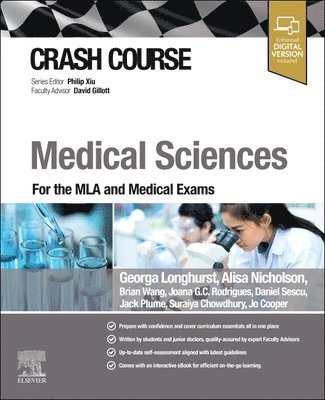
    Crash Course Medical Sciences

    For the MLA and Medical Exams

    AvGeorga Longhurst,Alisa Nicholson

    Häftad, Engelska, 2026

    Del i serien CRASH COURSE

    506 kr

    Beställningsvara. Skickas inom 5-8 vardagar. Fri frakt över 249 kr.

    Beskrivning

    Crash Course - your effective every-day study companion PLUS the perfect antidote for exam stress! Save time and be assured you have the essential information you need in one place to excel on your course and achieve exam success.

    A winning formula now for over 25 years, having sold over 1 million copies and translated in over 8 languages, each series volume has been fine-tuned and fully updated to make your life easier. Especially written by senior students or junior doctors/residents - those who understand what is essential for exam success - with all information thoroughly checked and quality assured by expert Faculty Advisers, the result is books that exactly meet your needs and you know you can trust.

    Each chapter guides you succinctly through the full range of curriculum topics, integrating clinical considerations with the relevant basic science and avoiding unnecessary or confusing detail. Text boxes help you get to the hints, tips and key points you need fast! A fully revised self-assessment section matching the latest exam formats is included to check your understanding and aid exam preparation. The accompanying enhanced, downloadable eBook completes this invaluable learning package.

    Series volumes have been honed to meet the requirements of today’s medical students, although the range of other health students and professionals who need rapid access to the essentials of medical sciences will also love the unique approach of Crash Course. Whether you need to get out of a fix or aim for a distinction Crash Course is for you!

    This comprehensive medical sciences textbook provides an integrated approach to basic medical sciences, covering anatomy, biochemistry, physiology, pharmacology, and pathology for each body system. It offers succinct yet thorough coverage of all major physiological systems and pathological processes. Also covering foundational topics like biochemistry, cell biology, immunology, pharmacology and microbiology, it's packed with high-yield mnemonics, tables, and illustrations to enhance learning and retention. Ideal for healthcare and medical students, this resource seamlessly connects fundamental scientific principles with clinical applications, providing a solid foundation for understanding human health and disease.

    Produktinformation

    • Utgivningsdatum:2026-07-31
    • Mått:191 x 235 x 18 mm
    • Vikt:880 g
    • Format:Häftad
    • Språk:Engelska
    • Serie:CRASH COURSE
    • Antal sidor:520
    • Förlag:Elsevier Health Sciences
    • ISBN:9780443249389

    Utforska kategorier

    • Klinisk medicin och internmedicin inom Medicin
    • Medicinska studiehandledningar och referensmaterial inom Medicin

    Mer om författaren

    Philip Xiu a GP Registrar, Yorkshire Deanery, Leeds, UK.

    Innehållsförteckning

    • Section 1: General principles1. Biochemistry and cell biologyGeneticsNucleotidesDNARNAFeatures of the genetic codeStructure of genesTranscriptionTranslationHardy-Weinberg geneticsThe cell and extracellular compartmentMembranes and transportCellular organelles and functionMembrane receptors and signal transductionCytoskeletonConnective tissueEnzymesEnzymes and biological energyEnzyme kineticsMetabolismAmino acidsCarbohydratesProteinsLipids2. ImmunologyPrinciples of immunologyConcepts of immunityAnatomy of the immune systemCells and molecules of the immune systemInflammationTolerancePathologyHypersensitivityImmunodeficiencyAutoimmunityHLA associations3. MicrobiologyBacteriaBacterial structuresBacterial classificationInfections - Gram-negative bacteriaInfections - Gram-positive bacteriaInfections - TuberculosisFungiInfections - FungiParasitesInfections - MalariaInfections - Other protozoaInfections - HelminthsInfections - EctoparasitesVirusesInfections - Human herpesvirusInfections - Other DNA virusesInfections - Hepatitis virusesInfections - Human immunodeficiency virusInfections - Other RNA virusesInfections - PrionsAntimicrobialsAntibioticsAntifungalsAntiprotozoalsOther antiparasiticsAntiretroviralsOther antivirals4. PharmacologyWhat is pharmacology?PharmacodynamicsAgonistsAntagonistsPharmacokineticsDrug absorptionDrug distributionDrug metabolismDrug excretionMathematic aspects of pharmacokineticsToxicologySection 2: Organ systems5. GastrointestinalEmbryologyNormal gastrointestinal embryologyVentral wall defectsCongenital pancreatic defectsAnatomyOesophagusStomachPancreasLiver and biliary systemSpleenSmall intestineLarge intestineRectum and anal canalFemoral and inguinal regionsHistologyGastrointestinal tract layersGastric histologyIntestinal histologyPhysiologySecretionSummary of regulatory gastrointestinal substancesPathologyOralOesophagealGastricIntestinalLiverGallbladder and biliary tractPancreasPharmacologyAcid suppressors and antacidsAntiemeticsLaxativesOther gastrointestinal drugs6. CardiovascularEmbryologyDevelopment of the heartDevelopment of the vasculatureAnatomyStructure of the heartCirculationInnervation of the heartHistologyLayers of the heartEvolution of cellular changes in myocardial infarctionPhysiologyHeart muscleElectrical excitation and conductionThe cardiac cycleVascular physiologyControl of the circulationPathologyCongenital heart diseaseHypertensionHyperlipidemiaAtherosclerosisDeep vein thrombosisNonthrombotic emboliPeripheral vascular diseaseAortic aneurysmAortic dissectionValvular diseaseCoronary artery diseaseArrhythmiaCardiomyopathiesHeart failure (HF)ShockCardiac tamponadeInfective endocarditisRheumatic feverAcute pericarditisMyocarditisPharmacologyAntihypertensive drugsAntianginal therapyStatinsOrlistatAntiarrhythmic drugsCommon drug-induced cardiovascular reactions7. The endocrine systemEmbryologyPituitary gland developmentThyroid gland developmentAnatomyHypothalamusPituitary glandThyroid glandAdrenal glandHistologyAdrenal glandThyroid glandPancreatic endocrine cellsPhysiologyGeneral principlesHormone synthesis and actionsCalcium homeostasisAppetite regulationThe stress responsePathologySyndrome of inappropriate antidiuretic hormone secretionPrimary polydipsia and diabetes insipidusHypopituitarismHyperpituitarismCushing’s syndromeThyroid dysfunctionThyroid cancerParathyroid dysfunctionAdrenocortical insufficiencyHyperaldosteronismDiabetes mellitusNeuroendocrine tumoursPharmacologyHypoglycaemic medicationsCorticosteroidsThyroid medicationsHypothalamic/pituitary medicationsDrug-induced endocrine reactions8. Haematology and oncologyEmbryologyBlood groupsEmbryological haematopoiesisFoetal erythrocytes and haemoglobinAnatomyThe lymphatic systemPrimary lymphoid tissuesSecondary lymphoid tissuesHistologyThe constituents of bloodBone marrow histologyPhysiologyHaematopoiesisErythrocytes (red blood cells)Blood products and transfusionHaemostasisLymphoid systemCell cycleMutations and DNA repairLab testsPathologyAnaemiasCoagulation disordersHaematological malignanciesMultiple myeloma and related conditionsTransfusion reactionsPharmacologyCoagulationCancer therapyDrug-induced haematological reactions9. Musculoskeletal, skin and connective tissueAnatomySkeletal componentsJointsConnective tissueTendons and ligamentsUpper extremitiesLower extremitiesHistologyCellular composition of the boneSkeletal muscle fibresDermatological histologyHair folliclePhysiologyMotor neurone action potentialSkeletal muscle contractionVascular smooth muscle contraction and relaxationMuscle growth and repairBone developmentBone profile interpretationPathologyOveruse injuries of the elbowShoulder pathologyWrist and hand pathologyBrachial plexus lesionsKnee pathologyAnkle fractures and sprainsHip fracturesCommon paediatric fracturesChildhood hip conditionsAbnormal spine curvatureTemporomandibular disordersCompartment syndromeBone diseasePrimary bone tumoursRheumatological diseaseConnective tissue disordersCommon dermatological pathologyPharmacologyParacetamolOsteoporosisAntiinflammatory medicationDisease-modifying antirheumatic drugsImmunosuppressant drugsBiologicsGout drugsDrug-induced rheumatic effects10. Neurology and special sensesEmbryologyNeural tube developmentCentral and peripheral nervous system originsNeural tube defectsBrain malformationsAnatomyThe central nervous systemVasculaturePeripheral nervous systemThe eyeThe earHistologyCellular composition of the nervous systemPhysiologyThe neuronal action potentialSynapses and neurotransmissionNeurotransmittersThe homunculusThe autonomic nervous systemThe dopaminergic pathwayThe direct and indirect pathways of the basal gangliaClinical reflexesCerebral perfusionThe ventricular systemVomiting centreHigher cortical functionsThe vestibular systemThe physiology of sightPhysiology of smell and tasteAqueous humour pathwayPupillary controlPathologyIschaemic strokes and transient ischaemic attacksCerebral oedemaIntracranial haemorrhageAphasiaSeizuresTrigeminal neuralgiaMovement disordersNeurodegenerative disordersDeliriumIdiopathic intracranial hypertensionBotulismBrain tumoursOtological pathologyVertigoOphthalmological pathologyPharmacologyEpilepsy therapyTriptansParkinson disease therapyNeurodegenerative disease therapyAnaestheticsSkeletal muscle relaxantsOpioid analgesicsCapsaicinGlaucoma therapyCommon drug-induced neurological reactions11. RenalEmbryologyEmbryonic stages of the kidneyDevelopment of the functional unit of the kidneyCongenital abnormalities of the kidneyAnatomyGross structure of the kidneysThe nephronRenal vasculatureNerve supply to the renal tractUretersBladderUrethraHistologyGlomerulusPhysiologyFluid balanceGlomerular filtrationNephron transport physiologyAcid-base balanceRenin-angiotensin-aldosterone systemElectrolyte disturbancesControl of micturitionCasts in urinePathologyRenal tubular acidosisGlomerular diseasesKidney stonesHydronephrosisBenign prostatic hypertrophyProstate cancerUrinary tract infectionsAcute kidney injuryAcute interstitial nephritisAcute tubular necrosisRenal papillary necrosisRenal cyst disordersRenal cell carcinomaNephroblastomaRenal failurePharmacologyDiureticsAngiotensin-converting enzyme inhibitorsAngiotensin receptor blockersBPH medicationsNephrotoxic agentsDrug-induced renal reactions12. Reproductive systemEmbryologyEarly embryonic developmentEmbryological derivativesPlacentaTwinningGenital embryologyGenetic mutationsOrofacial cleftsAnatomyBony pelvisMale reproductive anatomyFemale reproductive anatomyGonadal supply and drainageHistologyFemale reproductive epithelial histologySeminiferous tubulesPhysiologyGametogenesisFollicular development and ovulationThe menstrual cycleHormone production and functionPregnancyLactationMenopausePuberty and the Tanner stages of developmentDiagnosing disorders by sex hormonesDiagnosing disorders by physical characteristicsPathologyFemale structural diseaseGenitourinary traumaAbnormal uterine bleedingPubertal disordersSex chromosome disordersAromatase deficiencyAndrogen insensitivity syndrome5-Alpha-reductase deficiencyKallmann syndromePlacental disordersUterine rupturePostpartum haemorrhageEctopic pregnancyMiscarriageHydatidiform moleHypertension in pregnancyVulval pathologyCervical pathologyPrimary ovarian insufficiencyAnovulationPolycystic ovarian syndromePrimary dysmenorrhoeaOvarian cystsOvarian tumoursUterine conditionsBreast pathologyPenile pathologyTesticular and scrotal pathologyPharmacologyContraceptivesHRTCancer treatmentObstetric medicationsTocolyticsGonadotropin-releasing hormone analoguesAndrogenic hormonesAntiandrogensTeratogensSubstance use in pregnancy: teratogenic effects13 RespiratoryEmbryologyLung developmentRespiratory system changes at normal deliveryNeonatal respiratory distress syndromeHistologyCells of the conducting airwaysCells of the respiratory airwaysAnatomyUpper respiratory tractLower respiratory tractLungsDiaphragmPhysiologyLung volumes and capacitiesControl of breathingMetabolic controlMechanics of breathingPrinciples of gas exchangeCarriage of oxygen by the bloodCarriage of carbon dioxide by the bloodHypoxia and hypoxaemiaPulmonary circulationChallenges to normal respirationLung defences against infectionRespiratory examinationPathologyInfectious pathologyCancerObstructive lung diseaseInterstitial lung diseaseExposure-related pathologyAcute respiratory pathologiesMethaemoglobinaemiaSleep apnoeaPulmonary hypertensionAtelectasisPleural effusionsRespiratory failureType 1 respiratory failureType 2 respiratory failurePharmacologyPulmonary hypertension drugsAsthma drugsCarbocysteineAntihistaminesPseudoephedrine and phenylephrineOxygen therapySelf-assessmentSingle best answer (SBA) questionsSBA answersAcronyms and abbreviationsGlossaryIndex