• Fri frakt över 249 kr
  • •
  • Snabba leveranser
  • •
  • Billiga böcker
Kundservice

Du är på sajten för privatpersoner.

Företag, bibliotek eller offentlig verksamhet?

Du handlar på classic.bokus.com, där alla dina funktioner finns intakta.
Till classic.bokus.com
Bokus logotyp. Gå till startsidan.
  • Erbjudanden
  • Nyheter
  • Student
  • Topplistor
  • Barn & ungdom
  • Bokus Play
  • E-böcker
  • Pocketböcker
  • Spel & pussel

10% rabatt på allt med kod: NYSTART10 →

Sidfot

Mina sidor

    Hjälp

    • Kundservice
    • Vanliga frågor och svar
    • Frakt och leverans
    • Retur vid ångerrätt
    • Reklamera vara
    • Betalning
    • Köpvillkor
    • Allmänna villkor
    • Information om webbplatsens tillgänglighet

    Om Bokus

    • Om oss
    • Pressrum
    • För studenter
    • För företag
    • För bibliotek och offentlig verksamhet
    • För leverantörer
    • Hållbarhet

    Populärt

    • Aktuella erbjudanden
    • Presentkort
    • Studentlitteratur
    • Nya böcker
    • Topplistor
    • Signerade böcker
    • Engelska böcker

    Inspiration

    • Boktips
    • BookTok
    • Populära bokserier
    • Barnbokskaraktärer
    • Populära författare
    Logotyp för Bokus
    Följ oss på Facebook (extern länk)Följ oss på Instagram (extern länk)Följ oss på YouTube (extern länk)Följ oss på TikTok (extern länk)
    bokus @ CookiesAnpassa cookiesIntegritetspolicyKöpvillkor
    Till Citymail hemsida (extern länk)Till Budbee hemsida (extern länk)Till Postnord hemsida (extern länk)Till Schenker hemsida (extern länk)Till Early Bird hemsida (extern länk)Till Walleys hemsida (extern länk)
    1. Medicin
    2. Andra medicinska specialiteter
    3. Farmakologi

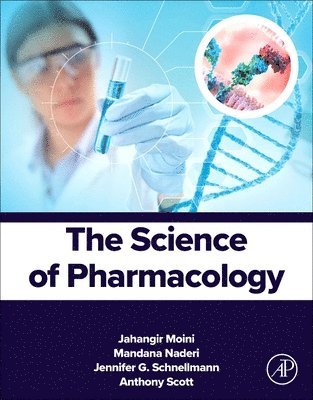
    The Science of Pharmacology

    AvJahangir Moini,Mandana Naderi

    Häftad, Engelska, 2026

    1 407 kr

    Kommande

    Beskrivning

    The Science of Pharmacology offers a detailed and contemporary exploration of medications, delving into the scientific principles behind drug actions and their therapeutic applications. It is an essential resource for students in pharmacology and pharmaceutical sciences, providing foundational knowledge on a wide range of topics. The book addresses the effects of drugs on various bodily systems, such as the nervous, respiratory, and cardiovascular systems, and also covers their impact on mental health and behavior. Beyond the core topics, the book also discusses special subjects like herbal medications and drug interactions.

    It includes valuable teaching materials, including test banks and quizzes, and offers comprehensive insights into toxicological treatments, making it an invaluable tool for both learning and teaching in the field.

    • Showcases fundamental information on the basics of the science of pharmacology, exploring the study of drug actions and their therapeutic uses
    • Includes illustrations and tables to enhance learning experiences
    • Offers study questions, case questions, and other beneficial learning material for students, as well as test banks, PowerPoint slides, and video content for instructors

    Produktinformation

    • Utgivningsdatum:2026-09-04
    • Mått:216 x 276 x undefined mm
    • Vikt:450 g
    • Format:Häftad
    • Språk:Engelska
    • Antal sidor:768
    • Förlag:Elsevier Science
    • ISBN:9780443290381

    Utforska kategorier

    • Farmakologi inom Medicin

    Mer om författaren

    Dr. Moini was assistant professor at Tehran University, Medical School, Department of Epidemiology and Preventive Medicine, for nine years. For 15 years, he was the Director of Science and Health for Everest University in Melbourne FL. He was also a Professor of Science and Health at Everest for a total of 24 years. For 6 years, until his retirement, he was a Professor of Science and Health at Eastern Florida State College. Dr. Moini has been actively teaching for 39 years, and for 23 years, has been an international author of 56 books (including 11 books for Elsevier). Naderi is also part of the Phoenix Biomedical Campus and an Antimicrobial Stewardship Expert at the Arizona Department of Health Services. Her areas of interest include antimicrobial resistance, antimicrobial stewardship, critical care, and public health. Dr. Schnellmann is an Associate Professor in the Department of Pharmacology, College of Pharmacy, at the University of Arizona. She is also Associate Director of Undergraduate Studies in Pharmaceutical Sciences. She is the author of seven books, on topics including cardiovascular pharmacology and strategies for gaining admission to professional school. She teaches medical, graduate, and undergraduate students across several courses in toxicology and pharmacology. Anthony C. Scott serves as an executive Pharmacy leader in the healthcare space. He obtained his PharmD from The University of Georgia and his MBA in Healthcare Management from New England College. He completed a PGY-1 Pharmacy Practice Residency at Piedmont Hospital in Atlanta, GA and then completed his PGY-2 Health-System Pharmacy Administration Residency at the North Florida - South Georgia VA Medical Center in Gainesville, FL. He is also a diplomat of the ASHP Foundation Pharmacy Leadership Academy. Prior to Emory, he served as the Assistant Director of Pharmacy Operations at The University of Chicago Medicine (UCM) and was also the PGY1/2 Health-System Pharmacy Administrative Residency program director at UCM. Anthony has been an active member of the American Society of Health-System Pharmacists (ASHP), currently serving as the Chair-Elect for the Section of Pharmacy Practice Leaders (SPPL). He has previously served as the Director for the SPPL and also as Chair for the Educational Steering Committee. He has been an ASHP Foundation Research Project Member on RFID technology and development. He has also been active with the Georgia Society of Health-System Pharmacists (GSHP) since returning to the state of Georgia, previously serving as the District Director for the NE metro region of the state.

    Innehållsförteckning

    • Unit I: General Principals1. Introduction2. Pharmacodynamics3. Pharmacokinetics4. Pharmacogenomics5. Medication Errors6. Complementary and Alternative Therapies7. Medical Law and Ethics8. Drug Approvals and Drug RegulationUnit II: Drug Effects in the Central Nervous System9. Sedative-Hypnotic Drugs10. Antiseizure Drugs11. General Anesthetics12. Local Anesthetics13. Skeletal Muscle Relaxants14. Drugs Used in Parkinsonism and Other Movement Disorders15. Opioid Analgesics and Antagonists16. Substance Use DisordersUnit III: Autonomic Drugs17. Neurotransmitters18. Adrenergic Agonists19. Adrenergic Antagonists20. Cholinergic Agonists21. Cholinergic AntagonistsUnit IV: Mental and Behavioral Health Drugs 22. Anxiety and Insomnia Drugs23. Antidepressants24. Antipsychotic Drugs25. Schizophrenia Drugs26. Personality Disorder Drugs27. Somatic Symptom Disorders28. Attention-Deficit/Hyperactivity Disorder DrugsUnit V: Cardiovascular Drugs 29. Antihyperlipidemic Drugs30. Antianginal Drugs31. Antihypertensive Drugs32. Antiarrhythmic Drugs33. Drugs Used in Coagulation Disorders34. Drugs Used in Heart Failure35. Diuretics36. Drugs Used for Electrolyte and Acid-Base ImbalancesUnit VI: Endocrine Drugs37. Hypothalamic and Pituitary Hormones38. Thyroid and Antithyroid Drugs39. Adrenocorticosteroids and Adrenocortical Antagonists40. Gonadal Hormones and Inhibitors41. Pancreatic Hormones and Antidiabetic DrugsUnit VII: Gastrointestinal Drugs42. Antiemetics and Antidiarrheal Drugs43. Antiulcer Drugs44. Chronic Bowel Disease and Inflammatory Bowel Disease DrugsUnit VIII: Respiratory Drugs45. Asthma Drugs46. Chronic Obstructive Pulmonary Disorder DrugsUnit IX: Chemotherapeutic Drugs47. Antiviral Drugs48. Antibacterial Drugs49. Antituberculosis Drugs50. Antifungal Drugs51. Antiprotozoal Drugs52. Cancer Chemotherapy53. ImmunopharmacologyUnit X: Toxicology54. Heavy Metals55. Occupational Toxicology56. Treatment of Intoxicated PatientsUnit XI: Special Topics57. Dietary Supplements and Herbal Medications58. Drug Interactions59. NSAIDs and Acetaminophen60. Drugs Used in Rheumatoid Arthritis and GoutAppendixA: Dosage CalculationsB: ISMP List of High-alert MedicationsC: Answers to End-of-Chapter QuestionsD: Answers to Case Study Critical Thinking Questions