Inbunden, Engelska, 1995
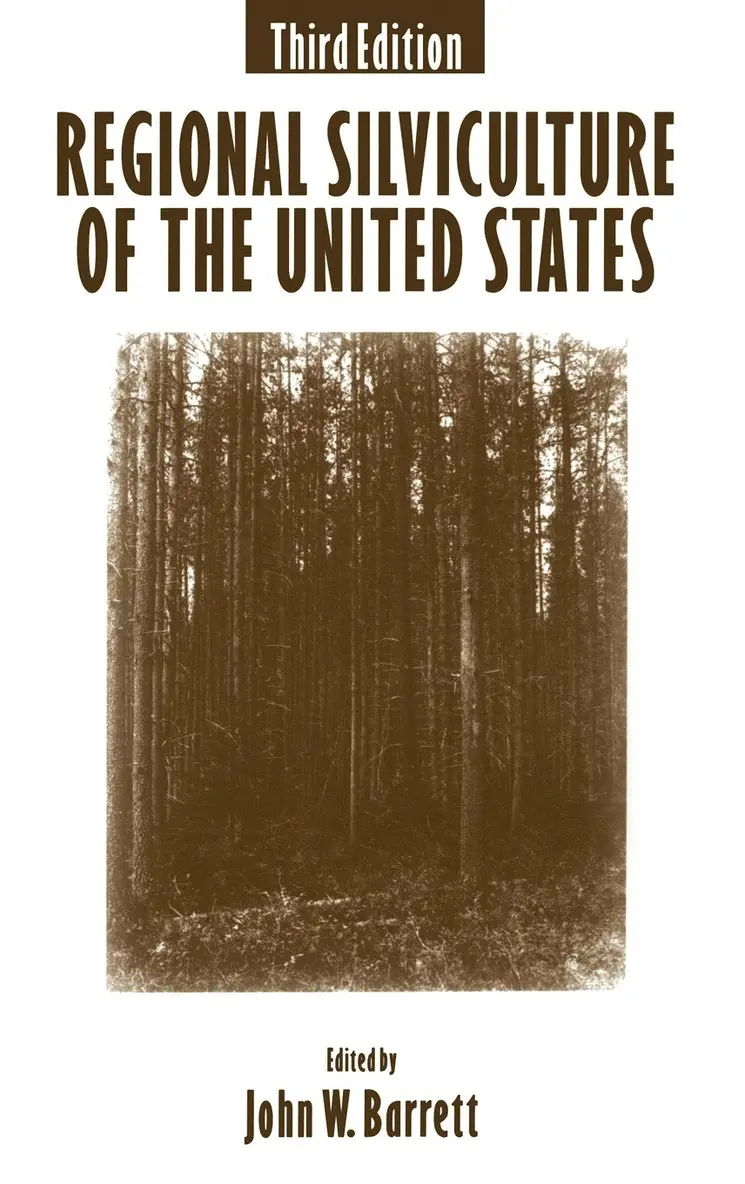
Regional Silviculture of the United States
4520 kr
Beställningsvara. Skickas inom 5-8 vardagar. Fri frakt över 249 kr.
Beskrivning
A valuable working resource for professionals. An excellent text for advanced forestry students . . . This unique book provides students and professionals with a broad-based knowledge of contemporary silviculture theory and practice.Throughout, the authors emphasize fundamental questions of edaphic,physiographic, and climatic site factors, as well as ecologicalrelationships and silvical characteristics of major tree species.Updated and expanded to reflect the many scientific, socioeconomic,and public policy trends that have had a profound impact onsilviculture over the past decade, this Third Edition of RegionalSilviculture of the United States:* Brings together the knowledge and expertise of fourteen leadingexperts from around the nation* Provides a rational framework with which to critically assessforest data and to develop innovative silvicultural solutions* Features region-by-region coverage of the eleven major foresttypes in the continental U.S. and Alaska* Offers a detailed look at practices that promote a wide range offorest resources--from wood production and outdoor recreation, towildlife habitat and range forage production* Now includes more in-depth coverage of such crucial themes asbiodiversity, endangered species, habitat fragmentation, foresthealth, landscape management, neotropical migrants, and more "...silviculture is not reducible to a series of rules; it must beflexible and adaptable to a variety of conditions. Much of it is anart as well as a synthesis of ecology and economics. There is nosingle best answer to how a stand should be managed. Andinstitutional and societal constraints must be considered." --fromthe Preface by John W. Barrett Regional Silviculture of the United States, Third Edition is not a"cookbook,"offering pat recipes for solving "typical" silviculturalproblems. Instead, it arms those responsible for the developmentand care of forests with something far more valuable--a rationalframework for the analysis of forest data and the development ofinnovative solutions tailored to specific forest types and theshifting politicoeconomic constraints under which silviculturalistsmust work. One way in which this book achieves that goal is by providingreaders with a broad-based knowledge of contemporary silviculturetheory and practice. In chapters organized according to the elevenmajor forest regions of the continental U.S., fourteen recognizedexperts from around the nation--each of them a specialist in aparticular region of operation--offer their valuable insights andobservations on silviculture in general and on varioussilvicultural practices with which they are familiar. Throughout,the authors are attentive to fundamental considerations of edaphic,physiographic, and climatic site factors, as well as ecologicalrelationships and silvical characteristics of major treespecies. This Third Edition of John W. Barrett's classic has been revisedand expanded to encompass a number of important themes which haverisen to prominence within silviculture over the past decade,including biodiversity, endangered species, habitat fragmentation,forest health, landscape management, and neotropicalmigrants. Timely, authoritative, and comprehensive in scope, RegionalSilviculture of the United States, Third Edition is a valuableresource for foresters, forestry students, ecologists,environmental scientists, and all those concerned with development,management, and preservation of our most valuable nationaltreasure.
Produktinformation
- Utgivningsdatum: 1995-02-28
- Mått: 161 x 243 x 40 mm
- Vikt: 1 080 g
- Format: Inbunden
- Språk: Engelska
- Antal sidor: 656
- Upplaga: 3
- Förlag: John Wiley & Sons Inc
- ISBN: 9780471598176
Utforska kategorier
Betyg & recensioner
0 recensioner
Inga recensioner tillgängliga.