• Fri frakt över 249 kr
  • •
  • Snabba leveranser
  • •
  • Billiga böcker
Kundservice

Du är på sajten för privatpersoner.

Företag, bibliotek eller offentlig verksamhet?

Du handlar på classic.bokus.com, där alla dina funktioner finns intakta.
Till classic.bokus.com
Bokus logotyp. Gå till startsidan.
  • Erbjudanden
  • Nyheter
  • Student
  • Topplistor
  • Barn & ungdom
  • Bokus Play
  • E-böcker
  • Pocketböcker
  • Spel & pussel

10% rabatt på allt med kod NYSTART10 →

Sidfot

Mina sidor

    Hjälp

    • Kundservice
    • Vanliga frågor och svar
    • Frakt och leverans
    • Retur vid ångerrätt
    • Reklamera vara
    • Betalning
    • Köpvillkor
    • Allmänna villkor
    • Information om webbplatsens tillgänglighet

    Om Bokus

    • Om oss
    • Pressrum
    • För studenter
    • För företag
    • För bibliotek och offentlig verksamhet
    • För leverantörer
    • Hållbarhet

    Populärt

    • Aktuella erbjudanden
    • Presentkort
    • Studentlitteratur
    • Nya böcker
    • Topplistor
    • Signerade böcker
    • Engelska böcker

    Inspiration

    • Boktips
    • BookTok
    • Populära bokserier
    • Barnbokskaraktärer
    • Populära författare
    Logotyp för Bokus
    Följ oss på Facebook (extern länk)Följ oss på Instagram (extern länk)Följ oss på YouTube (extern länk)Följ oss på TikTok (extern länk)
    bokus @ CookiesAnpassa cookiesIntegritetspolicyKöpvillkor
    Till Citymail hemsida (extern länk)Till Budbee hemsida (extern länk)Till Postnord hemsida (extern länk)Till Schenker hemsida (extern länk)Till Early Bird hemsida (extern länk)Till Walleys hemsida (extern länk)
    1. Skönlitteratur
    2. Dramatik

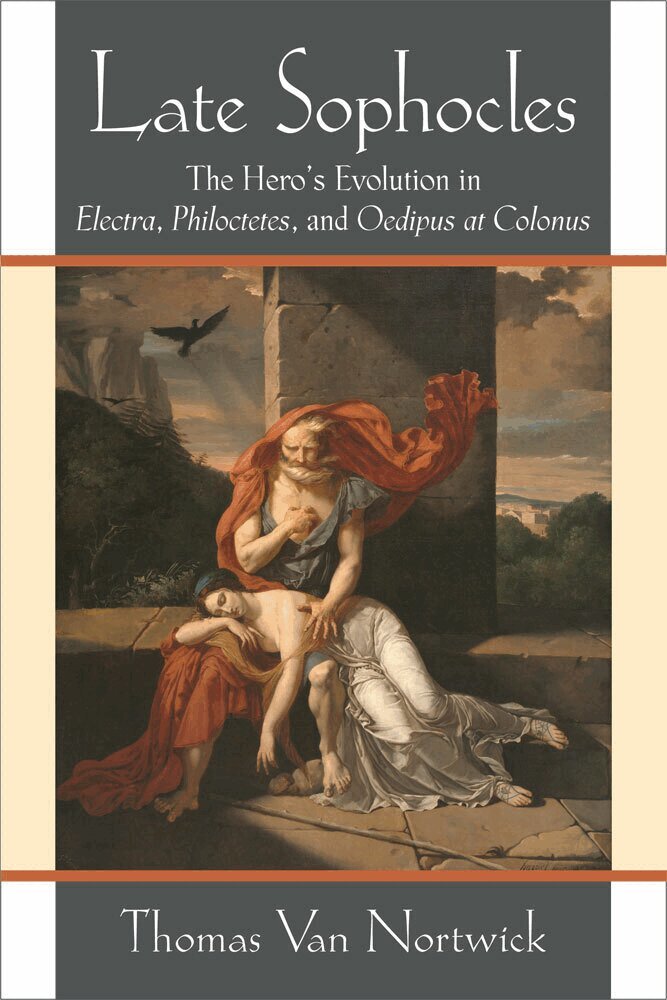
    Late Sophocles

    The Hero’s Evolution in Electra, Philoctetes, and Oedipus at Colonus

    AvThomas Van Nortwick

    Inbunden, Engelska, 2015

    801 kr

    Beställningsvara. Skickas inom 5-8 vardagar. Fri frakt över 249 kr.

    Beskrivning

    Only a few plays by Sophocles—one of the great tragic playwrights from Classical Athens—have survived, and each of them dramatizes events from the rich store of myths that framed literature and art. Sophocles’ treatment evokes issues that were vividly contemporary for Athenian audiences of the Periclean age: How could the Athenians incorporate older, aristocratic ideas about human excellence into their new democratic society? Could citizens learn to be morally excellent, or were these qualities only inherited? What did it mean to be a creature who knows that he or she must die? Late Sophocles traces the evolution of the Sophoclean hero through the final three plays, Electra, Philoctetes, and Oedipus at Colonus. The book’s main thesis, that Sophocles reimagined the nature of the tragic hero in his last three works, is developed inductively through readings of the plays. This balanced approach, in which a detailed argument about the plays is offered in a format accessible to nonspecialists, is unusual—perhaps unique—in contemporary Classical scholarship on Sophocles. This book will appeal to nonspecialist readers of serious literature as well as scholars of classical and other literatures. While including ample guidance for those not familiar with the plays, Late Sophocles goes beyond a generalized description of “what happens” in the plays to offer a clear, jargon-free argument for the enduring importance of Sophocles’ plays. The argument’s implications for longstanding interpretational issues will be of interest to specialists. All Greek is translated.

    Produktinformation

    • Utgivningsdatum:2015-02-26
    • Mått:152 x 229 x undefined mm
    • Format:Inbunden
    • Språk:Engelska
    • Antal sidor:162
    • Förlag:The University of Michigan Press
    • ISBN:9780472119561

    Utforska kategorier

    • Dramatik inom Skönlitteratur

    Mer om författaren

    Thomas Van Nortwick is Nathan A. Greenberg Professor of Classics, Oberlin College.

    Recensioner i media

    "Late Sophocles leads the reader through the last phase of the dramatist’s art with sound and reliable judgement, illuminating three great tragedies sensitively."--N J Sewell-Rutter, Bryn Mawr Classical Review