• Fri frakt över 249 kr
  • •
  • Snabba leveranser
  • •
  • Billiga böcker
Kundservice

Du är på sajten för privatpersoner.

Företag, bibliotek eller offentlig verksamhet?

Du handlar på classic.bokus.com, där alla dina funktioner finns intakta.
Till classic.bokus.com
Bokus logotyp. Gå till startsidan.
  • Erbjudanden
  • Nyheter
  • Student
  • Topplistor
  • Barn & ungdom
  • Bokus Play
  • E-böcker
  • Pocketböcker
  • Spel & pussel

10% rabatt på allt med kod NYSTART10 →

Sidfot

Mina sidor

    Hjälp

    • Kundservice
    • Vanliga frågor och svar
    • Frakt och leverans
    • Retur vid ångerrätt
    • Reklamera vara
    • Betalning
    • Köpvillkor
    • Allmänna villkor
    • Information om webbplatsens tillgänglighet

    Om Bokus

    • Om oss
    • Pressrum
    • För studenter
    • För företag
    • För bibliotek och offentlig verksamhet
    • För leverantörer
    • Hållbarhet

    Populärt

    • Aktuella erbjudanden
    • Presentkort
    • Studentlitteratur
    • Nya böcker
    • Topplistor
    • Signerade böcker
    • Engelska böcker

    Inspiration

    • Boktips
    • BookTok
    • Populära bokserier
    • Barnbokskaraktärer
    • Populära författare
    Logotyp för Bokus
    Följ oss på Facebook (extern länk)Följ oss på Instagram (extern länk)Följ oss på YouTube (extern länk)Följ oss på TikTok (extern länk)
    bokus @ CookiesAnpassa cookiesIntegritetspolicyKöpvillkor
    Till Citymail hemsida (extern länk)Till Budbee hemsida (extern länk)Till Postnord hemsida (extern länk)Till Schenker hemsida (extern länk)Till Early Bird hemsida (extern länk)Till Walleys hemsida (extern länk)
    1. Historia och arkeologi
    2. Historia

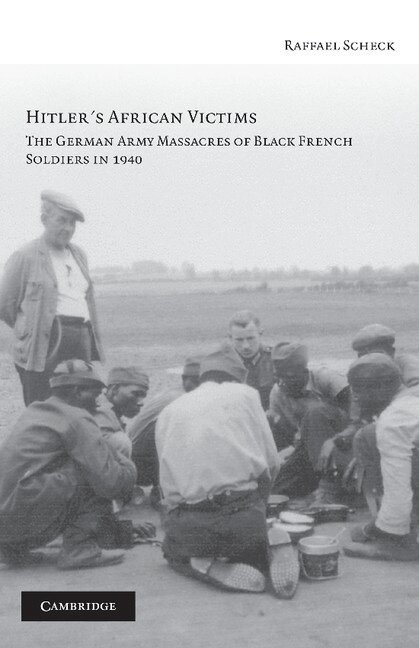
    Hitler's African Victims

    The German Army Massacres of Black French Soldiers in 1940

    AvRaffael Scheck

    Inbunden, Engelska, 2006

    1 375 kr

    Beställningsvara. Skickas inom 10-15 vardagar. Fri frakt över 249 kr.

    Fler format och utgåvor

    Häftad

    615 kr

    Beskrivning

    During its campaign against France in 1940, the German army massacred several thousand black POWs belonging to units drafted in France's West African colonies. This book, first published in 2006, documents these war crimes on the basis of extensive research in French and German archives. A massive Nazi propaganda offensive approved by Hitler, reviving traditional images of black soldiers as mutilating savages, formed the background for the massacres. The book shows, however, that the treatment of black French POWs was highly inconsistent and that abuses were often triggered by certain combat situations. It connects the massacres of black French soldiers to the debates on the Nazification of the German army during World War II and places them in the context of the treatment of non-white 'illegitimate combatants' in colonial wars.

    Produktinformation

    • Utgivningsdatum:2006-04-03
    • Mått:150 x 222 x 21 mm
    • Vikt:377 g
    • Format:Inbunden
    • Språk:Engelska
    • Antal sidor:220
    • Förlag:Cambridge University Press
    • ISBN:9780521857994

    Utforska kategorier

    • Historia inom Historia och arkeologi

    Mer om författaren

    Raffael Scheck is Associate Professor for Modern European History at Colby College, where he has been teaching since 1994. He received his Ph.D. from Brandeis University in 1993. He is the author of two other books, Alfred von Tirpitz and German Right-Wing Politics, 1914–1930 (1998) and Mothers of the Nation: Right-Wing Women in Weimar Germany (2004). Professor Scheck has published over a dozen articles on German right-wing politics, Swiss funding for Hitler, and the history of childhood.

    Recensioner i media

    'During its campaign against France in 1940, the German army massacred several thousand black POWs belonging to units drafted in France's West African colonies. This book for the first time documents these war crimes … a new perspective on Nazism and World War II and examines anti-black racism, colonialism, and the African experience.' African Business

    Innehållsförteckning

    • 1. The fate of black French soldiers in 1940; 2. The origin and evolution of the prejudice; 3. Ideological and situational factors; 4. Implications.