• Fri frakt över 249 kr
  • •
  • Snabba leveranser
  • •
  • Billiga böcker
Kundservice

Du är på sajten för privatpersoner.

Företag, bibliotek eller offentlig verksamhet?

Du handlar på classic.bokus.com, där alla dina funktioner finns intakta.
Till classic.bokus.com
Bokus logotyp. Gå till startsidan.
  • Erbjudanden
  • Nyheter
  • Student
  • Topplistor
  • Barn & ungdom
  • Bokus Play
  • E-böcker
  • Pocketböcker
  • Spel & pussel

10% rabatt på allt med kod: NYSTART10 →

Sidfot

Mina sidor

    Hjälp

    • Kundservice
    • Vanliga frågor och svar
    • Frakt och leverans
    • Retur vid ångerrätt
    • Reklamera vara
    • Betalning
    • Köpvillkor
    • Allmänna villkor
    • Information om webbplatsens tillgänglighet

    Om Bokus

    • Om oss
    • Pressrum
    • För studenter
    • För företag
    • För bibliotek och offentlig verksamhet
    • För leverantörer
    • Hållbarhet

    Populärt

    • Aktuella erbjudanden
    • Presentkort
    • Studentlitteratur
    • Nya böcker
    • Topplistor
    • Signerade böcker
    • Engelska böcker

    Inspiration

    • Boktips
    • BookTok
    • Populära bokserier
    • Barnbokskaraktärer
    • Populära författare
    Logotyp för Bokus
    Följ oss på Facebook (extern länk)Följ oss på Instagram (extern länk)Följ oss på YouTube (extern länk)Följ oss på TikTok (extern länk)
    bokus @ CookiesAnpassa cookiesIntegritetspolicyKöpvillkor
    Till Citymail hemsida (extern länk)Till Budbee hemsida (extern länk)Till Postnord hemsida (extern länk)Till Schenker hemsida (extern länk)Till Early Bird hemsida (extern länk)Till Walleys hemsida (extern länk)
    1. Språk och ordböcker
    2. Språkvetenskap och lingvistik

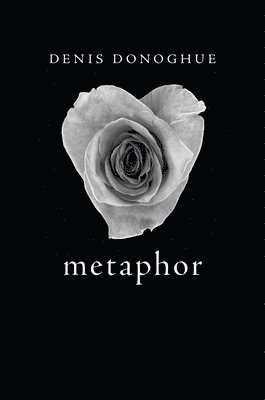
    Metaphor

    AvDenis Donoghue

    Inbunden, Engelska, 2014

    471 kr

    Beställningsvara. Skickas inom 10-15 vardagar. Fri frakt över 249 kr.

    Beskrivning

    Denis Donoghue turns his attention to the practice of metaphor and to its lesser cousins, simile, metonym, and synecdoche. Metaphor (“a carrying or bearing across”) supposes that an ordinary word could have been used in a statement but hasn’t been. Instead, something else, something unexpected, appears. The point of a metaphor is to enrich the reader’s experience by bringing different associations to mind. The force of a good metaphor is to give something a different life, a new life. The essential character of metaphor, Donoghue says, is prophetic. Metaphors intend to change the world by changing our sense of it.At the center of Donoghue’s study is the idea that metaphor permits the greatest freedom in the use of language because it exempts language from the local duties of reference and denotation. Metaphors conspire with the mind in its enjoyment of freedom. Metaphor celebrates imaginative life par excellence, from Donoghue’s musings on Aquinas’ Latin hymns, interspersed with autobiographical reflection, to his agile and perceptive readings of Wallace Stevens.When Donoghue surveys the history of metaphor and resistance to it, going back to Aristotle and forward to George Lakoff, he is a sly, cogent, and persuasive companion. He also addresses the question of whether or not metaphors can ever truly die. Reflected on every page of Metaphor are the accumulated wisdom of decades of reading and a sheer love of language and life.

    Produktinformation

    • Utgivningsdatum:2014-04-22
    • Mått:140 x 210 x 21 mm
    • Vikt:392 g
    • Format:Inbunden
    • Språk:Engelska
    • Antal sidor:240
    • Förlag:Harvard University Press
    • ISBN:9780674430662

    Utforska kategorier

    • Språkvetenskap och lingvistik inom Språk och ordböcker
    • Litteraturvetenskap inom Skönlitteratur

    Mer om författaren

    Denis Donoghue has taught English, Irish, and American Literature at University College, Dublin; Cambridge University and King’s College, Cambridge; and New York University.

    Recensioner i media

    For almost half a century Denis Donoghue has written stylish, weighty books, distinguished by the way they interweave an intricate sense of literary pleasure with an interest, no less intricate, in philosophical ideas… Now we have Metaphor, a characteristically intelligent and suggestive account, which reconsiders these grand philosophical tensions on the small stage of a figure of speech… Metaphor becomes an index of spiritual freedom: not a bit of tame likeness-making, like a simile. A metaphor is more like a heroic gesture towards autonomy, a rejection of the world of ‘common usage and the values it enforces.’ Donoghue pursues this theme with all his urbane powers of implication and range, finding in the metaphor a miniaturized instance of the idealist imagination… Donoghue is vivid and clever about a whole range of metaphorical uses in these pages.