• Fri frakt över 249 kr
  • •
  • Snabba leveranser
  • •
  • Billiga böcker
Kundservice

Du är på sajten för privatpersoner.

Företag, bibliotek eller offentlig verksamhet?

Du handlar på classic.bokus.com, där alla dina funktioner finns intakta.
Till classic.bokus.com
Bokus logotyp. Gå till startsidan.
  • Erbjudanden
  • Nyheter
  • Student
  • Topplistor
  • Barn & ungdom
  • Bokus Play
  • E-böcker
  • Pocketböcker
  • Spel & pussel

10% rabatt på allt med kod: NYSTART10 →

Sidfot

Mina sidor

    Hjälp

    • Kundservice
    • Vanliga frågor och svar
    • Frakt och leverans
    • Retur vid ångerrätt
    • Reklamera vara
    • Betalning
    • Köpvillkor
    • Allmänna villkor
    • Information om webbplatsens tillgänglighet

    Om Bokus

    • Om oss
    • Pressrum
    • För studenter
    • För företag
    • För bibliotek och offentlig verksamhet
    • För leverantörer
    • Hållbarhet

    Populärt

    • Aktuella erbjudanden
    • Presentkort
    • Studentlitteratur
    • Nya böcker
    • Topplistor
    • Signerade böcker
    • Engelska böcker

    Inspiration

    • Boktips
    • BookTok
    • Populära bokserier
    • Barnbokskaraktärer
    • Populära författare
    Logotyp för Bokus
    Följ oss på Facebook (extern länk)Följ oss på Instagram (extern länk)Följ oss på YouTube (extern länk)Följ oss på TikTok (extern länk)
    bokus @ CookiesAnpassa cookiesIntegritetspolicyKöpvillkor
    Till Citymail hemsida (extern länk)Till Budbee hemsida (extern länk)Till Postnord hemsida (extern länk)Till Schenker hemsida (extern länk)Till Early Bird hemsida (extern länk)Till Walleys hemsida (extern länk)
    1. Historia och arkeologi
    2. Historia

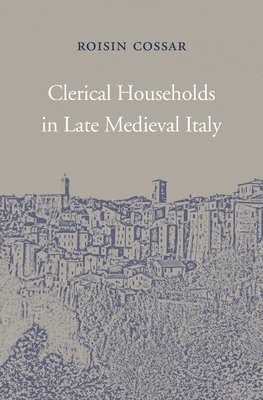
    Clerical Households in Late Medieval Italy

    AvRoisin Cossar

    Inbunden, Engelska, 2017

    Del 20 i serien I Tatti Studies in Italian Renaissance History

    486 kr

    Beställningsvara. Skickas inom 5-8 vardagar. Fri frakt över 249 kr.

    Beskrivning

    Roisin Cossar brings a new perspective to the history of the Christian church in fourteenth century Italy by examining how clerics managed efforts to reform their domestic lives in the decades after the arrival of the Black Death.Priests at the end of the Middle Ages resembled their lay contemporaries as they entered into domestic relationships with women, fathered children, and took responsibility for managing households, or familiae. Cossar limns a complex portrait of daily life in the medieval clerical familia that traces the phases of its development. Many priests began their vocation as apprentices in the households of older clerics. In middle age, priests fully embraced the traditional role of paterfamilias—patriarchs with authority over their households, including servants and, especially in Venice, slaves. As fathers they endeavored to establish their illegitimate sons in a clerical family trade. They also used their legal knowledge to protect their female companions and children against a church that frowned on such domestic arrangements and actively sought to stamp them out.Clerical Households in Late Medieval Italy refutes the longstanding charge that the late medieval clergy were corrupt, living licentious lives that failed to uphold priestly obligations. In fashioning a domestic culture that responded flexibly to their own needs, priests tempered the often unrealistic expectations of their superiors. Their response to the rigid demands of church reform allowed the church to maintain itself during a period of crisis and transition in European history.

    Produktinformation

    • Utgivningsdatum:2017-03-20
    • Mått:156 x 235 x 23 mm
    • Vikt:498 g
    • Format:Inbunden
    • Språk:Engelska
    • Serie:I Tatti Studies in Italian Renaissance History
    • Antal sidor:240
    • Förlag:Harvard University Press
    • ISBN:9780674971899

    Utforska kategorier

    • Historia inom Historia och arkeologi

    Mer om författaren

    Roisin Cossar is Associate Professor in the Department of History at the University of Manitoba.

    Recensioner i media

    This is a major contribution not only to the history of the late medieval family and the Italian church, but also to historical methodology. With her subtle analysis, Cossar persuades us that scholars must be attentive to archival documents as carefully crafted instruments of those who participated in their creation, rather than as transparent windows onto the past.