• Fri frakt över 249 kr
  • •
  • Snabba leveranser
  • •
  • Billiga böcker
Kundservice

Du är på sajten för privatpersoner.

Företag, bibliotek eller offentlig verksamhet?

Du handlar på classic.bokus.com, där alla dina funktioner finns intakta.
Till classic.bokus.com
Bokus logotyp. Gå till startsidan.
  • Erbjudanden
  • Nyheter
  • Student
  • Topplistor
  • Barn & ungdom
  • Bokus Play
  • E-böcker
  • Pocketböcker
  • Spel & pussel

10% rabatt på allt med kod: NYSTART10 →

Sidfot

Mina sidor

    Hjälp

    • Kundservice
    • Vanliga frågor och svar
    • Frakt och leverans
    • Retur vid ångerrätt
    • Reklamera vara
    • Betalning
    • Köpvillkor
    • Allmänna villkor
    • Information om webbplatsens tillgänglighet

    Om Bokus

    • Om oss
    • Pressrum
    • För studenter
    • För företag
    • För bibliotek och offentlig verksamhet
    • För leverantörer
    • Hållbarhet

    Populärt

    • Aktuella erbjudanden
    • Presentkort
    • Studentlitteratur
    • Nya böcker
    • Topplistor
    • Signerade böcker
    • Engelska böcker

    Inspiration

    • Boktips
    • BookTok
    • Populära bokserier
    • Barnbokskaraktärer
    • Populära författare
    Logotyp för Bokus
    Följ oss på Facebook (extern länk)Följ oss på Instagram (extern länk)Följ oss på YouTube (extern länk)Följ oss på TikTok (extern länk)
    bokus @ CookiesAnpassa cookiesIntegritetspolicyKöpvillkor
    Till Citymail hemsida (extern länk)Till Budbee hemsida (extern länk)Till Postnord hemsida (extern länk)Till Schenker hemsida (extern länk)Till Early Bird hemsida (extern länk)Till Walleys hemsida (extern länk)
    1. Skönlitteratur
    2. Litteraturvetenskap
    3. Litteraturvetenskap

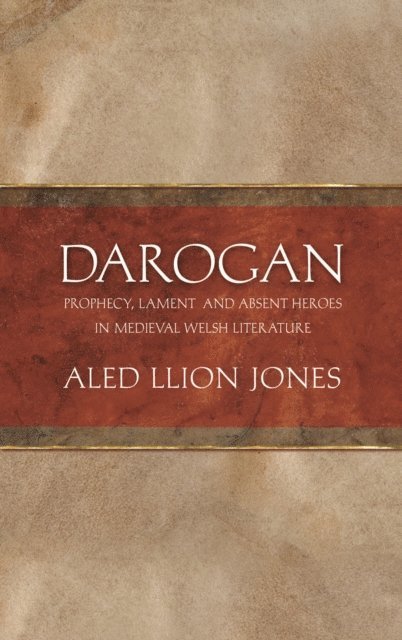
    Darogan

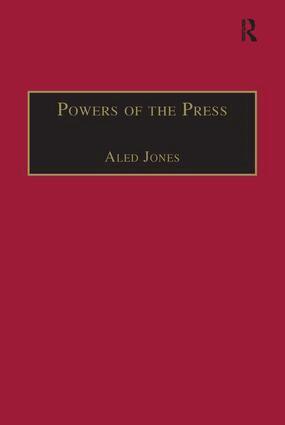
    Prophecy, Lament and Absent Heroes in Medieval Welsh Literature

    AvAled Jones

    Inbunden, Engelska, 2013

    Del i serien University of Wales Press

    565 kr

    Tillfälligt slut

    Fler format och utgåvor

    E-bok

    512 kr

    E-bok

    511 kr

    Beskrivning

    Political prophecy was a common mode of literature in the British Isles and much of Europe from the Middle Ages to at least as late as the Renaissance. At times of political instability especially, the manuscript record bristles with prophetic works that promise knowledge of dynastic futures. In Welsh, the later development of this mode is best known through the figure of the mab darogan, the 'son of prophecy', who - variously named as Arthur, Owain or a number of other heroes - will return to re-establish sovereignty. Such a returning hero is also a potent figure in English, Scottish and wider European traditions. This book explores the large body of prophetic poetry and prose contained in the earliest Welsh-language manuscripts, exploring the complexity of an essentially multilingual, multi-ethnic and multinational literary tradition, and with reference to this wider tradition critical and theoretical questions are raised of genre, signification and significance.

    Produktinformation

    • Utgivningsdatum:2013-10-31
    • Mått:138 x 216 x 32 mm
    • Vikt:544 g
    • Format:Inbunden
    • Språk:Engelska
    • Serie:University of Wales Press
    • Antal sidor:400
    • Förlag:University of Wales Press
    • ISBN:9780708326756

    Utforska kategorier

    • Litteraturvetenskap inom Skönlitteratur

    Mer om författaren

    Aled Llion Jones is a lecturer in the School of Welsh, Bangor University.

    Innehållsförteckning

    • Chapter 1 1a. Beginnings 1b. Terminology 1c. The mab darogan 1d. 'Armes Prydain Fawr' - 'The Great Prophecy of Britain' Chapter 2 2a. Furor poeticus: the silence of praise. 2b. The authority of death 2c. Zero-degree poetry: praise of absence 2d. Galarnad ('lament'): absence of praise 2e. Lament without beginning 2f. Englynion: fragments of silence Chapter 3 3a. Manuscript survey c.1250 - c.1540 3b. Manuscript context: copies 3c. Manuscript context: internal 3d. The multilingual manuscripts 3e. Peniarth MSS 50 and 26 3f. Mobile fragments Chapter 4 4a. History and fiction 4b. The poetic craft of Rhys Fardd: formal considerations 4c. The poetic craft of Rhys Fardd: temporality 4d. Facelessness and pseudonymity 4e. Peniarth 50 and internationalism Conclusion