• Fri frakt över 249 kr
  • •
  • Snabba leveranser
  • •
  • Billiga böcker
Kundservice

Du är på sajten för privatpersoner.

Företag, bibliotek eller offentlig verksamhet?

Du handlar på classic.bokus.com, där alla dina funktioner finns intakta.
Till classic.bokus.com
Bokus logotyp. Gå till startsidan.
  • Erbjudanden
  • Nyheter
  • Student
  • Topplistor
  • Barn & ungdom
  • Bokus Play
  • E-böcker
  • Pocketböcker
  • Spel & pussel

10% rabatt på allt med kod: NYSTART10 →

Sidfot

Mina sidor

    Hjälp

    • Kundservice
    • Vanliga frågor och svar
    • Frakt och leverans
    • Retur vid ångerrätt
    • Reklamera vara
    • Betalning
    • Köpvillkor
    • Allmänna villkor
    • Information om webbplatsens tillgänglighet

    Om Bokus

    • Om oss
    • Pressrum
    • För studenter
    • För företag
    • För bibliotek och offentlig verksamhet
    • För leverantörer
    • Hållbarhet

    Populärt

    • Aktuella erbjudanden
    • Presentkort
    • Studentlitteratur
    • Nya böcker
    • Topplistor
    • Signerade böcker
    • Engelska böcker

    Inspiration

    • Boktips
    • BookTok
    • Populära bokserier
    • Barnbokskaraktärer
    • Populära författare
    Logotyp för Bokus
    Följ oss på Facebook (extern länk)Följ oss på Instagram (extern länk)Följ oss på YouTube (extern länk)Följ oss på TikTok (extern länk)
    bokus @ CookiesAnpassa cookiesIntegritetspolicyKöpvillkor
    Till Citymail hemsida (extern länk)Till Budbee hemsida (extern länk)Till Postnord hemsida (extern länk)Till Schenker hemsida (extern länk)Till Early Bird hemsida (extern länk)Till Walleys hemsida (extern länk)
    1. Samhälle och politik
    2. Samhälle och kultur
    3. Kultur och medier
    4. Referensverk och tvärvetenskap

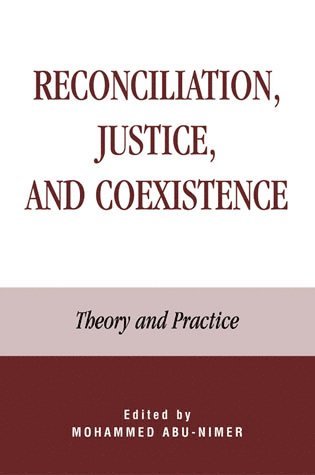
    Reconciliation, Justice, and Coexistence

    Theory and Practice

    AvMohammed Abu-Nimer

    Häftad, Engelska, 2001

    701 kr

    Beställningsvara. Skickas inom 10-15 vardagar. Fri frakt över 249 kr.

    Beskrivning

    Since the end of the Cold War several political agreements have been signed in attempts to resolve longstanding conflicts in such volatile regions as Northern Ireland, Israel-Palestine, South Africa, and Rwanda. This is the first comprehensive volume that examines reconciliation, justice, and coexistence in the post-settlement context from the levels of both theory and practice. Mohammed Abu-Nimer has brought together scholars and practitioners who discuss questions such as: Do truth commissions work? What are the necessary conditions for reconciliation? Can political agreements bring reconciliation? How can indigenous approaches be utilized in the process of reconciliation? In addition to enhancing the developing field of peacebuilding by engaging new research questions, this book will give lessons and insights to policy makers and anyone interested in post-settlement issues.

    Produktinformation

    • Utgivningsdatum:2001-05-16
    • Mått:157 x 227 x 29 mm
    • Vikt:567 g
    • Format:Häftad
    • Språk:Engelska
    • Antal sidor:384
    • Förlag:Bloomsbury Publishing Plc
    • ISBN:9780739102688

    Utforska kategorier

    • Referensverk och tvärvetenskap inom Samhälle och politik
    • Slag och fälttåg inom Samhälle och politik
    • Internationella relationer inom Samhälle och politik

    Mer om författaren

    Mohammed Abu-Nimer is Assistant Professor of International Peace and Conflict Resolution in the School of International Service at American University. He is the author of Dialogue, Conflict Resolution and Change: The Case of Arabs and Jews in Israel (1999).

    Recensioner i media

    This collection of essays edited by Mohammed Abu-Nimer is an excellent contribution to the existing body of work addressing the problems of creating a sustainable peace in societies emerging out of violent conflict.

    Innehållsförteckning

    • Part 1 Section One: Theoretical Frameworks for Reconciliation in PeaceholdingChapter 2 After Violence, Reconstruction, Reconciliation, and Resolution: Coping with Visible and Invisible Effecs of War and ViolenceChapter 3 Social-Psychological Processes in Interactive Conflict Analysis and ReconciliationChapter 4 Changing Forms of CoexistenceChapter 5 The Attainment of Justice through Restoration, Not Litigation: The Subjective Road to ReconciliationChapter 6 Forgiveness as an Element of Conflict Resolution in Religious Cultures: Walking the Tightrope of Reconciliation and JusticeChapter 7 Negotiating a Revolution: Toward Integrating Relationship Building and Reconciliation into Official Peace NegotiationChapter 8 Justice and the Burdens of HistoryChapter 9 Ritual Reconciliation: Transforming Identity/Reframing ConflictPart 10 Section 2: Practice in Reconciliation, Justice, and Coexistence: Selective Case StudiesChapter 11 Coexistence and Reconciliation in the Northern Region of GhanaChapter 12 Reconciliation and Justice in South Africa: Lessons from the TRC's Community InterventionsChapter 13 The Case of Land in Zimbabwe: Cause of Conflict, Foundation for Sustained PeaceChapter 14 Education for Coexistence in Israel: Potential and ChallengesChapter 15 The Challenge to History: Justice, Coexistence, and Reconciliation Work in Northern IrelandChapter 16 Understanding Majority and Minority Participation in Interracial and Interethnic DialogueChapter 17 Refugee Return in Bosnia and Herzegovina: Coexistence before ReconciliationChapter 18 Justice and Reconciliation: Postconflict Peacebuilding in Cambodia and RwandaPart 19 Conclusion: The Long Road to Reconciliation