• Fri frakt över 249 kr
  • •
  • Snabba leveranser
  • •
  • Billiga böcker
Kundservice

Du är på sajten för privatpersoner.

Företag, bibliotek eller offentlig verksamhet?

Du handlar på classic.bokus.com, där alla dina funktioner finns intakta.
Till classic.bokus.com
Bokus logotyp. Gå till startsidan.
  • Erbjudanden
  • Nyheter
  • Student
  • Topplistor
  • Barn & ungdom
  • Bokus Play
  • E-böcker
  • Pocketböcker
  • Spel & pussel

10% rabatt på allt med kod: NYSTART10 →

Sidfot

Mina sidor

    Hjälp

    • Kundservice
    • Vanliga frågor och svar
    • Frakt och leverans
    • Retur vid ångerrätt
    • Reklamera vara
    • Betalning
    • Köpvillkor
    • Allmänna villkor
    • Information om webbplatsens tillgänglighet

    Om Bokus

    • Om oss
    • Pressrum
    • För studenter
    • För företag
    • För bibliotek och offentlig verksamhet
    • För leverantörer
    • Hållbarhet

    Populärt

    • Aktuella erbjudanden
    • Presentkort
    • Studentlitteratur
    • Nya böcker
    • Topplistor
    • Signerade böcker
    • Engelska böcker

    Inspiration

    • Boktips
    • BookTok
    • Populära bokserier
    • Barnbokskaraktärer
    • Populära författare
    Logotyp för Bokus
    Följ oss på Facebook (extern länk)Följ oss på Instagram (extern länk)Följ oss på YouTube (extern länk)Följ oss på TikTok (extern länk)
    bokus @ CookiesAnpassa cookiesIntegritetspolicyKöpvillkor
    Till Citymail hemsida (extern länk)Till Budbee hemsida (extern länk)Till Postnord hemsida (extern länk)Till Schenker hemsida (extern länk)Till Early Bird hemsida (extern länk)Till Walleys hemsida (extern länk)
    1. Juridik
    2. Rättsvetenskap
    3. Lag och samhälle

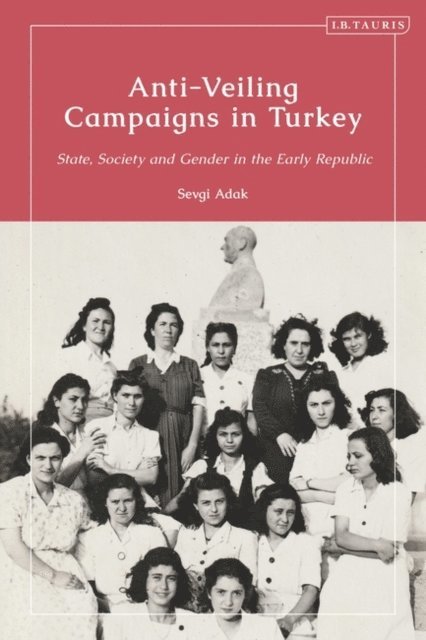
    Anti-Veiling Campaigns in Turkey

    State, Society and Gender in the Early Republic

    AvSevgi Adak

    E-bok
    PDF, Engelska, 2022

    468 kr

    Läs direkt i Bokus Reader – eller ladda ned till din enhet (PDF kräver ofta zoom och scroll på små skärmar).

    Fler format och utgåvor

    E-bok

    466 kr

    Häftad

    436 kr

    Inbunden

    1 365 kr

    Beskrivning

    The veiling and unveiling of women have been controversial issues in Turkey since the late-Ottoman period. It was with the advent of local campaigns against certain veils in the 1930s, however, that women's dress turned into an issue of national mobilisation in which gender norms would be redefined. In this comprehensive analysis of the anti-veiling campaigns in interwar Turkey, Sevgi Adak casts light onto the historical context within which the meanings of veiling and unveiling in Turkey were formed. By shifting the focus from the high politics of the elite to the implementation of state policies, the book situates the anti-veiling campaigns as a space where the Kemalist reforms were negotiated, compromised and resisted by societal actors. Using previously unpublished archival material, Adak reveals the intricacies of the Kemalist modernisation process and provides a nuanced reading of the gender order established in the early republic by looking at the various ways women responded to the anti-veiling campaigns. A major contribution to the literature on the social history of modern Turkey, the book provides a complex analysis of these campaigns which goes beyond a simple binary between liberation and oppression.

    Produktinformation

    • Utgivningsdatum:2022-02-24
    • Språk:Engelska
    • Antal sidor:232
    • Filformat:PDF
    • Kopieringsskydd:LCP
    • ISBN:9780755635030
    • Förlag:Bloomsbury Publishing PLC

    Utforska kategorier

    • Lag och samhälle inom Juridik
    • Mellanösterns historia inom Historia och arkeologi

    Mer om författaren

    Sevgi Adak is Associate Professor at the Aga Khan University, Institute for the Study of Muslim Civilizations, London, UK. She is one of the four editors of the Contemporary Turkey book series of the British Institute at Ankara (BIAA) published by I.B. Tauris.

    Recensioner i media

    “Sevgi Adak's study of the anti-veiling campaigns in 1930s Turkey is a pioneering and successful attempt to get away from the perspective of the central state and to depict realities on the ground, giving agency both to the local party elites who were the driving force behind the campaigns and to those who were at the receiving end."