• Fri frakt över 249 kr
  • •
  • Snabba leveranser
  • •
  • Billiga böcker
Kundservice

Du är på sajten för privatpersoner.

Företag, bibliotek eller offentlig verksamhet?

Du handlar på classic.bokus.com, där alla dina funktioner finns intakta.
Till classic.bokus.com
Bokus logotyp. Gå till startsidan.
  • Erbjudanden
  • Nyheter
  • Student
  • Topplistor
  • Barn & ungdom
  • Bokus Play
  • E-böcker
  • Pocketböcker
  • Spel & pussel

10% rabatt på allt med kod: NYSTART10 →

Sidfot

Mina sidor

    Hjälp

    • Kundservice
    • Vanliga frågor och svar
    • Frakt och leverans
    • Retur vid ångerrätt
    • Reklamera vara
    • Betalning
    • Köpvillkor
    • Allmänna villkor
    • Information om webbplatsens tillgänglighet

    Om Bokus

    • Om oss
    • Pressrum
    • För studenter
    • För företag
    • För bibliotek och offentlig verksamhet
    • För leverantörer
    • Hållbarhet

    Populärt

    • Aktuella erbjudanden
    • Presentkort
    • Studentlitteratur
    • Nya böcker
    • Topplistor
    • Signerade böcker
    • Engelska böcker

    Inspiration

    • Boktips
    • BookTok
    • Populära bokserier
    • Barnbokskaraktärer
    • Populära författare
    Logotyp för Bokus
    Följ oss på Facebook (extern länk)Följ oss på Instagram (extern länk)Följ oss på YouTube (extern länk)Följ oss på TikTok (extern länk)
    bokus @ CookiesAnpassa cookiesIntegritetspolicyKöpvillkor
    Till Citymail hemsida (extern länk)Till Budbee hemsida (extern länk)Till Postnord hemsida (extern länk)Till Schenker hemsida (extern länk)Till Early Bird hemsida (extern länk)Till Walleys hemsida (extern länk)
    1. Psykologi och pedagogik
    2. Psykologi

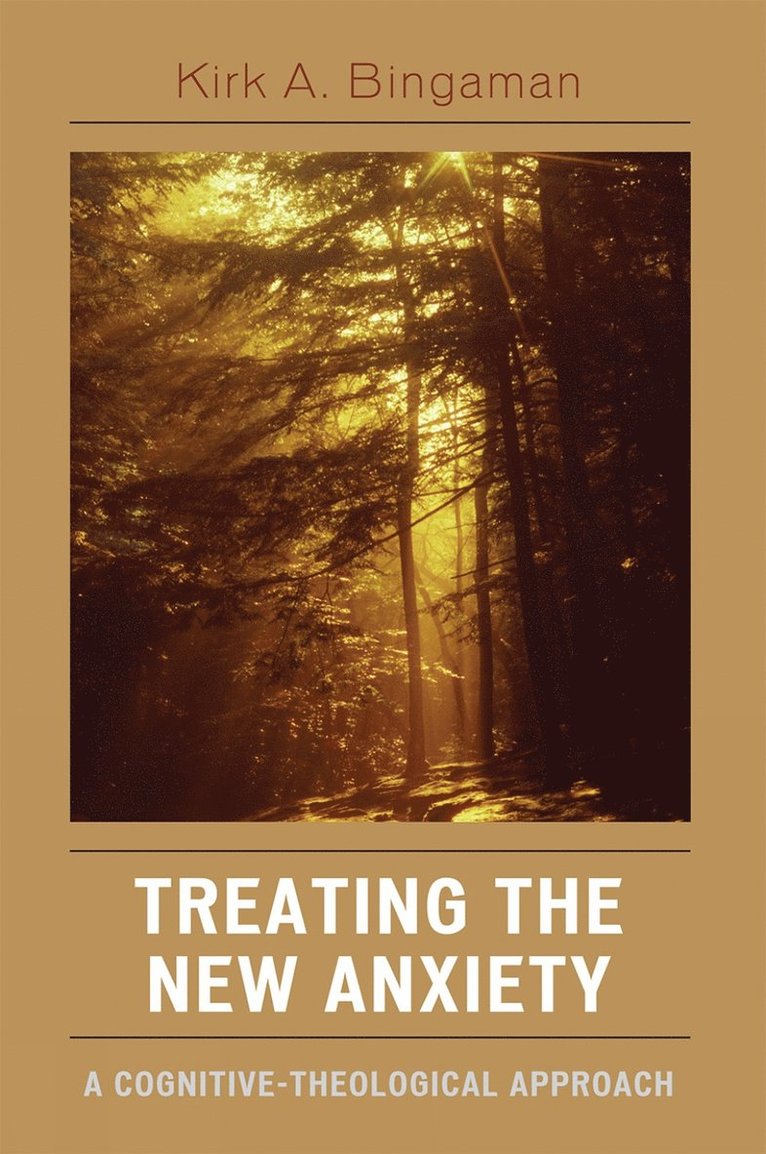
    Treating the New Anxiety

    A Cognitive-Theological Approach

    AvKirk A. Bingaman

    Inbunden, Engelska, 2007

    1 355 kr

    Beställningsvara. Skickas inom 10-15 vardagar. Fri frakt över 249 kr.

    Fler format och utgåvor

    Häftad

    573 kr

    E-bok

    636 kr

    Beskrivning

    A new form of anxiety has emerged, stemming in part from our post-9/11 reality, but even more stemming from the influence of supermodernity. Whereas postmodernism theorizes an anxiety that results from the collapse or loss of meaning, through the lens of supermodernity it appears that the new anxiety is evoked more by an excess of meaning generated by the rapid acceleration of human life and the media's daily bombardment with serious global, national, and local concerns. This book explores the nature of the anxiety our supermodern condition provokes, and proposes that with the void left by the diminishment of religious involvement and practice the therapy session becomes the definitive place for meaning-making. Building on a cognitive therapy approach that emphasizes the client's belief system, Bingaman demonstrates that to treat this new anxiety most effectively, practitioners must help clients identify and explore their core theological beliefs and spiritual values.

    Produktinformation

    • Utgivningsdatum:2007-09-16
    • Mått:160 x 238 x 17 mm
    • Vikt:349 g
    • Format:Inbunden
    • Språk:Engelska
    • Antal sidor:160
    • Förlag:Jason Aronson Publishers
    • ISBN:9780765704627

    Utforska kategorier

    • Psykologi inom Psykologi och pedagogik

    Mer om författaren

    Kirk A. Bingaman, Ph.D. is assistant professor of pastoral counseling and director of the Pastoral Counseling Program in the Graduate School of Religion and Religious Education at Fordham University. He is a Licensed Mental Health Counselor in New York and a Fellow with the American Association of Pastoral Counselors. His previous book, Freud and Faith: Living in the Tension, was published in 2003.

    Recensioner i media

    In the tradition of Erich Fromm and Rollo May, Kirk Bingaman addresses the psychological and social implications of anxiety. But Bingaman adds a new twist, namely the relevance of theology to address the "new anxiety" of our post-9/11 era. This important book demonstrates that a formative and fruitful integration is possible between theology and therapy, and underscores the necessity, in a "supermodern," post-9/11 world, for such an integration in treating anxiety.