• Fri frakt över 249 kr
  • •
  • Snabba leveranser
  • •
  • Billiga böcker
Kundservice

Du är på sajten för privatpersoner.

Företag, bibliotek eller offentlig verksamhet?

Du handlar på classic.bokus.com, där alla dina funktioner finns intakta.
Till classic.bokus.com
Bokus logotyp. Gå till startsidan.
  • Erbjudanden
  • Nyheter
  • Student
  • Topplistor
  • Barn & ungdom
  • Bokus Play
  • E-böcker
  • Pocketböcker
  • Spel & pussel

Må bättre, för mindre! Upp till 50% rabatt på hälsoböcker

Sidfot

Mina sidor

    Hjälp

    • Kundservice
    • Vanliga frågor och svar
    • Frakt och leverans
    • Retur vid ångerrätt
    • Reklamera vara
    • Betalning
    • Köpvillkor
    • Allmänna villkor
    • Information om webbplatsens tillgänglighet

    Om Bokus

    • Om oss
    • Pressrum
    • För studenter
    • För företag
    • För bibliotek och offentlig verksamhet
    • För leverantörer
    • Hållbarhet

    Populärt

    • Aktuella erbjudanden
    • Presentkort
    • Studentlitteratur
    • Nya böcker
    • Topplistor
    • Signerade böcker
    • Engelska böcker

    Inspiration

    • Boktips
    • BookTok
    • Populära bokserier
    • Barnbokskaraktärer
    • Populära författare
    Logotyp för Bokus
    Följ oss på Facebook (extern länk)Följ oss på Instagram (extern länk)Följ oss på YouTube (extern länk)Följ oss på TikTok (extern länk)
    bokus @ CookiesAnpassa cookiesIntegritetspolicyKöpvillkor
    Till Citymail hemsida (extern länk)Till Budbee hemsida (extern länk)Till Postnord hemsida (extern länk)Till Schenker hemsida (extern länk)Till Early Bird hemsida (extern länk)Till Walleys hemsida (extern länk)
    1. Skönlitteratur
    2. Litteraturvetenskap
    3. Litteraturvetenskap

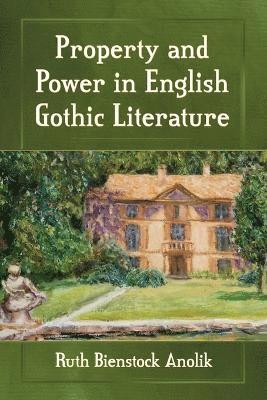
    Property and Power in English Gothic Literature

    AvRuth Bienstock Anolik

    Häftad, Engelska, 2016

    543 kr

    Beställningsvara. Skickas inom 5-8 vardagar. Fri frakt över 249 kr.

    Beskrivning

    Eighteenth-century England witnessed major social and economic changes, including the commodification of property, person and text through legal containments--enclosure, coverture, primogeniture, copyright. English Gothic authors responded with tropes that worked to dispel the assurances of possession--the contested castle, the beleaguered yet enduring woman, the haunting ghost, the disjointed narrative--warning that seemingly mundane codes of ownership have menacing implications, such as the civil death of women through marriage. This book explores the masterplot of the English Gothic text as a response to the Enlightenment's rational certainty regarding possession of self, property and narrative.

    Produktinformation

    • Utgivningsdatum:2016-01-12
    • Mått:152 x 229 x 12 mm
    • Vikt:345 g
    • Format:Häftad
    • Språk:Engelska
    • Antal sidor:244
    • Förlag:McFarland & Co Inc
    • ISBN:9780786498505

    Utforska kategorier

    • Litteraturvetenskap inom Skönlitteratur

    Mer om författaren

    Ruth Bienstock Anolik teaches at Villanova University and writes extensively on the Gothic mode. Her articles have been published in Modern Language Studies, Studies in Jewish Literature,, and other journals and collections.

    Recensioner i media

    “A detailed discussion of property, ownership, and power in English Gothic literature”—SFRevu; “From detailed discussions of Maturin’s Melmoth the Wanderer to Sarah Water’s Affinity, Anolik tackles the question of why possession always fails in the British gothic literary tradition. Clearly written and theoretically informed, this book is a valuable introduction to the burgeoning field of gothic studies.”—Diane Long Hoeveler, author of The Gothic Ideology; “Beginning with the origins of the Gothic, moving to a rich comparison of numerous nineteenth-century texts, and concluding with a compelling reading of the neo–Victorian contemporary novel, Property and Power in English Gothic Literature traces the Gothic novel’s resistance to containment and order as it persistently fragments and decenters. Anolik makes a significant contribution to Gothic studies in her reading of the novel as a transgressive genre that subverts categorization and inherently resists various forms of critical and readerly ownership and possession.”—Jolene Zigarovich, Sex and Death in Eighteenth-Century Literature; “Teasing out multiple meanings of possession...ownership of property, body, gendered identity, and inner self...Ruth Anolik’s study illuminates a variety of Gothic texts, including major eighteenth- and nineteenth-century examples of the genre as well as a neo-Victorian revision. Lucidly written, deftly argued, and usefully situated in relevant political and social contexts, this book makes a welcome contribution to Gothic studies.”—Tamar Heller, author of Dead Secrets: Wilkie Collins and the Female Gothic.

    Innehållsförteckning

    • Table of ContentsAcknowledgmentsIntroduction. Possessions: Property and Propriety in the English Gothic ModePart I. Castle and Moat: Property Possession in the English Gothic1. Slippery Properties: The Castle of Otranto and The Old English Baron2. A Century of Loss: Historical Contexts for Property Anxieties3. Fantasies of Return: Property Restoration Imagined4. ­Nineteenth-Century ExpansionsPart II. Ghosts: Possession of Person in the English Gothic5. Self-(Dis)Possession in The Woman in White6. Dispossessions of the Mind and the Body: A Gothic Tropology7. The Double and the Ghost: Refusals of Self-(Dis)Possession8. Resurrection Fantasies: Defying Death’s Dispossessions9. Slavery and Marriage: Gothic Reflections of Political Rhetoric10. Missing Mothers and Suppressed Sisters: The Dangers of PrimogeniturePart III. Fragmented Stories; Appropriated Voices: Possession of the Narrative in the English Gothic11. Gothic Conventions; Narrative Dispossessions12. Contexts of Contested Narratives: Can the Text Be Possessed?13. The Theology of Narrative Dispossession in Maturin’s Melmoth the Wanderer14. Dispossessed and Dispossessing: The Wandering Jew’s Possession of Voice and NarrativePart IV. Beyond the End: Dispossessing Closure15. “It is only the theory I want”: Repossessing Fiction in Sarah Waters’s Affinity16. The Political FantasticConclusion. Toward a Transatlantic Investigation: Possession and Dispossession in American Gothic LiteratureChapter NotesBibliographyIndex